Need Specifications or a Quote?
Share your ventilation project requirements and our engineers will reply within 12 hours with technical specs, pricing, and lead time.
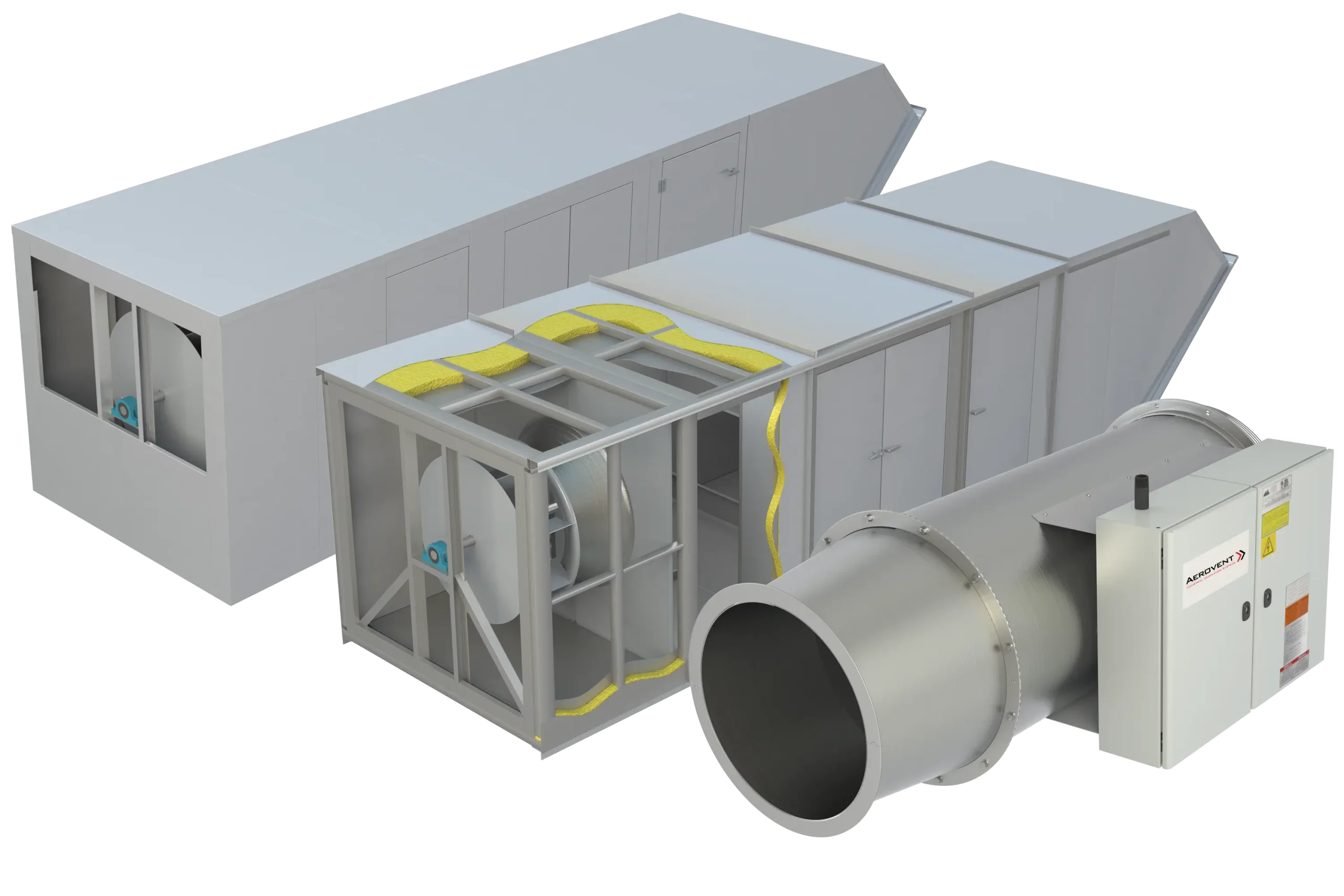



Flexible air ducts are a cornerstone of modern HVAC systems, offering unparalleled adaptability for residential and commercial spaces alike. From compact layouts to unconventional architectural designs, these lightweight, customizable ducts ensure efficient air distribution where rigid alternatives fall short. But what makes flexible air ducts so effective, and how can proper installation maximize their potential?
With advancements in material technology, flexible ductwork today isn’t just practical—it’s also environmentally conscious. Options like insulated and non-insulated aluminum or polyester ducts not only improve airflow efficiency but also address sustainability by reducing harmful emissions. The result? Building systems that boost indoor air quality while maintaining energy-conscious performance.
Whether you’re designing an HVAC system, upgrading existing ductwork, or prioritizing sustainability, understanding the types, benefits, and installation techniques of flexible air ducts is critical. Let’s explore how selecting the right ductwork and following best practices can enhance operational efficiency and environmental impact for years to come.
Flexible air ducts are a critical component of modern HVAC systems, offering versatility, efficiency, and practicality for various residential and commercial applications. Below are the key takeaways to help you understand their benefits, types, and best practices for installation while highlighting their impact on indoor air quality and sustainability.
Flexible air ducts are a versatile and energy-efficient choice for HVAC systems, delivering both functional and environmental benefits. In the following sections, we’ll further discuss their key types, installation requirements, and environmental significance, empowering you with the insights to make informed decisions for your ventilation needs.
A flexible air duct, often referred to as flex duct or HVAC flexible duct, is a semi-compressible duct made from a helically wound metal wire core covered with a flexible jacket. The jacket may be bare or combined with a layer of insulation and a vapor barrier. Flexible ductwork is used to convey conditioned air from trunk lines or plenums to supply diffusers and return grilles in both residential and commercial HVAC systems.
Unlike rigid galvanized steel or aluminum ducts, a flexible air duct can bend around obstacles, making it ideal for tight spaces, irregular framing, and retrofit projects. Typical applications include single-family homes, multifamily buildings, light commercial offices, and zones within larger systems where branch runs must navigate structural or architectural constraints.
In a standard residential system, rigid ducts often form the main trunks, while flexible ductwork connects from those trunks to individual rooms. In commercial projects, designers may use flex duct for short drops from main distribution ducts to diffusers in suspended ceilings, minimizing labor while preserving overall airflow design efficiencies.
Flexible air ducts are particularly advantageous where straight-line duct routing is impractical. In attics with truss webs, existing wiring, or plumbing, installing sheet metal ducts can require extensive cutting, additional fittings, and more hangers. A properly installed flex duct can snake between obstructions with continuous gentle curves instead of multiple elbows, saving time and fittings while maintaining acceptable airflow when length and bend radius are correctly controlled.
In retail spaces and offices with crowded ceiling plenums, flex duct allows last-minute diffuser relocation without re-fabricating hard duct. Technicians can adjust run length and routing during commissioning, an important advantage in tenant-improvement build-outs and design-build projects where layouts may shift late in the process.
For a broader context on how flexible ducts fit within a complete system, resources like the Air Ducts Guide and the HVAC duct comprehensive guide to types, sizes, and installation explain how to integrate flex with other duct forms effectively, which sets the stage for understanding how materials and types influence performance.
Choosing the best flexible duct for residential HVAC or light commercial systems requires understanding the construction of the duct: core material, insulation type and thickness, and outer jacket. Each choice impacts airflow, durability, acoustic performance, and installation flexibility.
Insulated flexible ducts incorporate a layer of fibrous insulation, usually fiberglass or mineral wool, between the inner core and the outer vapor barrier jacket. They are widely used in supply and return runs that traverse unconditioned spaces such as attics, crawl spaces, or unheated basements. Properly insulated ductwork significantly reduces conductive and radiant heat gain or loss, which directly affects system efficiency and comfort.
Non-insulated flexible ducts consist only of a core and a thin outer covering. They are primarily used inside conditioned spaces or inside larger duct shafts and chases where thermal losses are minimal or external insulation is applied. They can also serve as ventilation and exhaust ducts where temperature control is less critical.
When determining whether to use insulated or non-insulated flex duct, consider ambient temperature along the route, local energy code requirements, and condensation risk. In climates with large temperature differentials between supply air and surrounding space, insulated ductwork is almost always required to prevent sweating and maintain thermal performance.
Flexible duct cores and jackets use a variety of materials. The table below summarizes key characteristics frequently evaluated by HVAC professionals.
| Material Type | Typical Use | Key Advantages | Considerations |
|---|---|---|---|
| Aluminum core with fiberglass insulation | Residential and commercial supply/return in unconditioned spaces | Good temperature resistance; low air leakage when installed correctly; widely code-accepted | Outer jacket must resist tearing; fiberglass handling requires PPE |
| Polyester core and jacket (insulated) | Projects prioritizing indoor air quality and easier handling | Lighter weight; often lower fiber shedding; improved resistance to moisture in some constructions | Must verify maximum operating temperature and pressure ratings |
| Vinyl jacket over wire helix (insulated or non-insulated) | General ventilation, bathroom exhaust, low-pressure comfort cooling | High flexibility; cost-effective; simple to cut and terminate | UV sensitivity; may have higher permeance; must ensure formulation suitable for HVAC use |
When reviewing flex duct material specifications, the most critical parameters include maximum operating temperature, operating pressure class, flame spread and smoke developed ratings, vapor barrier permeance, and insulation R-value. These characteristics influence not only performance but also compliance with building and mechanical codes.
Sustainability in flexible ductwork has advanced rapidly. Traditional fiberglass duct insulation frequently relied on formaldehyde-based binders. Many manufacturers now produce formaldehyde-free or even bio-based insulation materials that maintain thermal performance while reducing off-gassing and embodied environmental impact.
For environmentally conscious homeowners and commercial building owners, specifying ducts with low-VOC jackets and formaldehyde-free insulation can support green building certifications and improve indoor air quality. When combined with efficient airflow design efficiencies, these ducts help lower energy consumption and deliver healthier spaces.
Projects pursuing high sustainability standards increasingly integrate flex duct products that use:
To align material selection with overall system performance goals, designers often cross-reference sustainability criteria with resources like the Optimizing Airflow Efficiency guide, which ties material choices directly to energy and comfort outcomes and leads naturally into the topic of efficiency and air distribution benefits.
Flexible air ducts can significantly influence system efficiency, but their impact depends on design and installation. When properly sized, supported, and routed, flexible ductwork can deliver high-performing air distribution with reduced labor and material costs. When installed poorly, flex ducts can introduce excessive static pressure, leakage, and comfort issues.
Well-installed flexible ducts minimize unnecessary fittings and leakage points, especially elbows and joints present in rigid duct systems. A single continuous flexible run from a trunk to a diffuser removes several seams where air might otherwise escape. This reduces leakage and can lower fan energy consumption.
A case study from a 40,000-square-foot office renovation illustrates this advantage. The original specification used all rigid duct drops with multiple elbows. The contractor proposed a design using insulated flexible duct for all branch runs under 10 feet. By reducing fittings and optimizing routes, the measured external static pressure at design airflow dropped by 0.15 in. w.g. After verification, fan power consumption decreased by approximately 12%, translating to about $18,000 in annual energy savings for the building, while maintaining occupant comfort.
However, flex duct’s efficiency benefits only manifest when the inner core is fully extended and routed with minimal bends. Excess length left compressed or coiled can add substantial friction loss. Therefore, understanding airflow design efficiencies specific to flexible ductwork is vital during system design and installation.
In most climates, insulated flexible air ducts materially reduce thermal losses as conditioned air passes through unconditioned spaces. For example, upgrading from uninsulated branch ducts to R-8 insulated flexible ducts in a typical 2,000-square-foot home has been modeled to reduce distribution losses by up to 15–20% during peak conditions. With efficient equipment and improved leakage control, homeowners may see overall HVAC energy reductions of 8–12%, often corresponding to several hundred dollars per year in utility savings.
In addition to energy savings, insulated flex duct improves comfort by reducing temperature drift between the air leaving the air handler and the air exiting registers. That helps maintain more consistent room temperatures and reduces complaints in end-of-line rooms.
Guidance such as the Optimizing Airflow Efficiency resource provides valuable design practices for calculating duct size, understanding friction rates, and comparing flexible to other duct options to maintain code-compliant performance.
Rigid ducts, particularly spiral and rectangular designs, still dominate main trunks and high-volume air distribution. Each type has strengths, and flex ducts should be viewed as complementary rather than competitive.
Spiral ducts deliver low leakage and excellent structural rigidity, making them ideal for long runs and exposed architectural installations. For deeper insight into their performance and efficiency characteristics, the spiral duct energy efficiency and performance resource explains how tight joints and smooth interiors yield low resistance and low leakage rates.
Rectangular ducts accommodate space constraints, especially in shallow plenums or tight shafts where round ducts would be impractical. The rectangular ductwork benefits, materials, and design best practices guide highlights strategies for minimizing turbulence and resistance that can arise at fittings and transitions.
Compared with these rigid forms, flexible air ducts typically have:
An effective system often uses rigid spiral or rectangular ducts for main trunks and flexible ductwork for short, well-designed branches. Understanding this hybrid approach prepares installers to implement best practices in the field.
Many performance problems attributed to flexible duct are really installation problems. Knowing how to install flexible air ducts correctly is critical for achieving both comfort and efficiency. The following best practices address preparation, tools, and core techniques.
Before installing any HVAC flexible duct, verify design drawings and confirm duct sizes, run lengths, and diffuser locations. Check code requirements for insulation R-values, vapor barriers, and fire ratings.
Typical tools and materials for flexible duct installation include:
Consult resources like the air duct box guide: types, installation, materials and the essential guide to selecting the best air duct hose to ensure fittings and connection components are compatible with your chosen flex duct.
To answer the common question, “How do you properly install flexible ductwork?” the following sequence offers a robust field-proven method.
1. Measure and cut accurately. Measure the required duct path, allowing only minimal extra length for connection and slight slack. Cut the outer jacket and insulation around the circumference, then push them back to expose the wire core. Cut the wire with appropriate cutters to avoid deforming the helix.
2. Attach to the collar or takeoff. Slide the exposed inner core over the sheet metal collar or takeoff bead. Use a mechanical fastener (typically a draw band or clamp) tightened to manufacturer torque recommendations. After mechanical fastening, seal the joint using approved mastic or UL-listed duct tape to minimize leakage.
3. Pull the duct taut. Once one end is secured, pull the flex duct from the free end to fully extend the inner core. The goal is to remove visible sags and compression that would increase friction loss. Avoid stretching so tightly that stress is placed on joints or wire; the duct should be taut but not tensioned to the point of deformation.
4. Support the duct correctly. Use wide, smooth straps or saddles to support the duct at intervals not exceeding manufacturer or code limits, commonly every 4 feet or less. Straps should cradle the duct without pinching, maintaining a round cross-section to preserve airflow.
5. Minimize bends and turns. Keep bends as gentle as possible, with radius at least equal to the duct diameter. Avoid “snake-like” routing where unneeded bends introduce turbulence. For sharp changes in direction, consider a short rigid elbow connected to a flex run.
6. Connect the terminal end. At the diffuser or grille box, repeat the connection procedure: slide the inner core over the collar, mechanically fasten, and seal. Pull insulation and jacket back over the connection and secure to maintain the continuity of thermal and vapor barriers.
Warning: Never install flexible duct in a compressed, kinked, or sharply bent configuration. Over-compression can double or triple friction loss, forcing the blower to work harder, raising noise levels, and undermining the system’s efficiency claims.
Even experienced technicians can unintentionally compromise performance with a few common mistakes. Understanding these pitfalls is essential to meet flexible duct installation requirements.
Excessive length and coiling. Leaving extra duct length coiled or looped near the diffuser is a frequent problem. Coiling creates multiple small-radius bends and compressed sections, elevating static pressure. Always cut to the needed length and reroute for the most direct feasible path.
Insufficient or improper supports. Hanging flex duct from narrow straps or spacing supports too far apart creates sags that flatten the duct and add resistance. Supports should be at least 1.5 inches wide and spaced per code and manufacturer instructions, with minimal sag between points.
Unsealed connections. Relying solely on mechanical clamps without mastic or listed tape increases leakage risk. Every collar connection should be both mechanically fastened and air sealed. Over a full system, even small leakage at each branch can significantly increase fan energy use.
Critical tip: Always verify clamp tightness after initial operation. Temperature cycling can loosen clamps slightly, so a quick recheck during commissioning prevents early leakage and callbacks.
For technicians seeking more detailed design-to-installation guidance that goes beyond branch-level work, the broader HVAC duct comprehensive guide to types, sizes, and installation offers system-level perspectives that tie directly into how these installations should be maintained over the long term.
Flexible air ducts can remain effective for decades if regularly inspected and maintained. Lack of maintenance leads to leakage, insulation damage, reduced airflow, and indoor air quality problems. Implementing a structured maintenance program is particularly vital in commercial facilities with large networks of flex ducts.
Scheduled inspections should occur at least every 2–3 years in residential applications and annually in commercial buildings. During inspections, technicians should examine:
Interior cleaning of flexible ductwork should be approached cautiously. Aggressive mechanical brushing can damage the inner core. When duct cleaning is justified by visible contamination or complaints, use methods approved for flex duct, such as soft-brush or contact vacuuming and appropriately filtered negative air machines. Coordinate with manufacturers’ guidelines to avoid voiding warranties.
The air duct maintenance tips: improve efficiency & save money resource outlines broader system maintenance strategies and cost-savings data. Integrating flex duct inspection into those routines helps preserve the energy-efficiency gains achieved at installation.
Knowing when to repair versus replace a flexible duct run is crucial for cost-effective maintenance. Key indicators include:
Persistent comfort complaints. Rooms that remain hotter or colder than others, despite correct balancing, may suffer from kinked or crushed ducts. Infrared thermography and airflow measurements at registers frequently reveal undersized or obstructed flex runs.
Visible physical damage. Torn jackets, exposed insulation, or flattened segments require immediate repair. In some cases, splicing in new sections with proper couplings is acceptable; in others, complete replacement is more efficient.
Condensation or mold concerns. Condensation forming on duct jackets or signs of microbial growth suggest insulation or vapor barrier failures. Replacing damaged sections with higher-R, better-sealed insulated flexible duct can address the root cause when paired with humidity control improvements.
For systems where flexible duct is attached to rigid main ducts, assessing the condition of those mains is equally important. If trunk ducts are failing, upgrading to high-performance rectangular duct and fittings or spiral duct and fittings in combination with new flex branches can improve both airflow and durability. In higher-performance applications, double-wall options such as double wall rectangular duct offer additional acoustic and thermal benefits that complement flexible branches.
Proactive steps can significantly extend flexible duct longevity while preserving efficiency:
Protect ducts from mechanical damage. In attics and plenums, install barriers or signage to prevent trades and occupants from stepping on or placing storage items atop ducts. Mechanical damage remains one of the primary causes of premature flex duct failure.
Maintain balanced system pressures. Oversized equipment or closed registers can raise static pressure above duct ratings, stressing inner cores and joints. Proper load calculation, system sizing, and use of variable-speed blowers help maintain moderate operating pressures, which prolong duct life.
Monitor airflow performance over time. Periodic airflow testing at key diffusers provides early indicators of duct restrictions, leakage, or equipment issues. Trending data can signal when cleaning, repair, or targeted replacements are warranted before major failures occur.
Maintaining flexible ducts in this way not only defers replacement costs but also supports ongoing energy savings, which ties directly into broader environmental considerations.
Flexible ductwork plays a measurable role in building sustainability. Energy codes and green building standards increasingly emphasize reduced air leakage, high insulation R-values, low embodied carbon, and healthier indoor air. Modern flexible air duct products, combined with thoughtful installation, can substantially advance these goals.
By improving distribution efficiency and reducing thermal losses, insulated flexible ducts lower the energy needed to heat and cool buildings. For a multifamily complex that replaced undersized, leaky flex ducts with correctly sized, R-8 insulated ductwork, modeled annual HVAC energy consumption fell by roughly 15%, equating to an estimated 120 metric tons of CO2 emissions avoided each year. This efficiency gain also allowed downsizing of replacement rooftop units, reducing both first cost and lifecycle carbon footprint.
Coupling efficient flexible duct systems with high-efficiency fans and smart controls, such as variable-speed air handlers and demand-controlled ventilation, further decreases energy use. Duct design resources across BromingHvac, including Optimizing Airflow Efficiency, help integrators coordinate these components for maximum impact.
In response to both regulatory pressure and market demand, manufacturers now offer flexible duct products that feature:
These advancements support certification efforts under programs like LEED, WELL, and national green building codes. When specifying flex duct, professionals increasingly review environmental product declarations and emissions certifications alongside traditional mechanical properties.
Several regulatory trends influence the future of flexible ductwork:
More stringent duct leakage limits. Codes now frequently require duct leakage testing, especially for residential systems with ducts outside the conditioned space. Flexible duct products that facilitate airtight connections and integrate well with sealed trunks help meet these targets.
Higher minimum insulation levels. Many jurisdictions mandate R-8 or higher insulation for ducts in unconditioned spaces, raising the bar for flex duct jackets and vapor barriers to maintain performance over time.
Holistic system efficiency metrics. As code bodies move toward evaluating whole-building performance, interactions between ducts, fans, and terminal devices (including axial fans in some ventilation applications) become more important. Flexible duct choices and routing strategies must support these integrated efficiency goals.
Forward-thinking HVAC professionals can respond to these trends by selecting environmentally advanced flexible ducts, pairing them with high-performance rigid duct trunks, and following best-practice installation and maintenance guidelines endorsed in resources like the Air Ducts Guide and air duct maintenance tips: improve efficiency & save money. Through this integrated approach, flexible ductwork evolves from a simple convenience product into a strategic component of efficient, sustainable, and health-focused HVAC systems.
Flexible air ducts are undeniably versatile and efficient components of HVAC systems, offering significant advantages in installation, performance, and sustainability. By summarizing the insights from this detailed exploration, we aim to synthesize actionable knowledge and underscore the importance of flexible ductwork in modern-day HVAC applications.
The flexibility, lightweight structure, and adaptable nature of flexible air ducts make them ideal for navigating tight spaces, irregular layouts, and last-minute design adjustments. When integrated with rigid systems such as rectangular ducts or spiral ducts, they create a hybrid solution that delivers optimal airflow and energy efficiency. Their ability to minimize fittings, maintain acceptable static pressure, and ensure quick installation positions them as a cost-effective choice for both residential and commercial HVAC systems.
Diverse material options, from aluminum to bio-based polyester, allow tailored solutions for specific project constraints and performance requirements. Insulated flexible ducts, with R-8 or higher ratings, demonstrate measurable thermal efficiency, while advancements in formaldehyde-free and low-VOC insulation reinforce their environmental and indoor air quality benefits. These properties align with industry trends toward sustainable building practices and certifications such as LEED and WELL, as well as compliance with stricter energy codes.
For environmentally conscious projects, integrating sustainable materials and reviewing guides like Optimizing Airflow Efficiency ensures that flexible ducts reduce energy use and support green construction goals.
Efficiency isn’t just about the materials used—it’s deeply tied to how flexible ducts are installed. Proper techniques, such as ensuring taut runs, minimizing bends, securing connections with mastic or UL-listed tape, and supporting ducts at correct intervals, prevent common performance issues related to static pressure, friction loss, and air leakage. Resources like the air duct box guide and essential guide to selecting the best air duct hose provide additional clarity for achieving long-term reliability.
Furthermore, avoiding common installation errors—such as excessive coiling, poor support, and unsealed joints—ensures better efficiency, enhances comfort, and reduces blower workloads. Paired with variable-speed HVAC components and modern duct design strategies, well-installed flexible ducts can extend the overall system performance.
Maintenance remains vital to preserving the functionality of flexible ducts. Regular inspections for damage, leakage, or sagging, combined with proactive cleaning, can extend their usable life while sustaining energy savings. In commercial projects with extensive duct networks, coordinated maintenance improves system reliability and prevents costly inefficiencies or breakdowns.
Guidelines offered in the air duct maintenance tips provide valuable insights into structuring effective maintenance regimes, whether addressing minor repairs, managing condensation, or coordinating replacement strategies for aging systems.
As the HVAC industry shifts toward an integrated approach focusing on high-efficiency and holistic system performance, flexible air ducts remain relevant. Their ability to support airtight systems and respond flexibly to evolving designs ensures their place in sustainable, future-focused HVAC solutions. Innovations in material technology, such as bio-based or recycled content, further enhance their alignment with green building demands.
As energy regulations evolve, flex duct systems should be selected and installed in harmony with emerging solutions like axial fans and smart ventilation controls. Guides such as the HVAC duct comprehensive guide can assist in aligning installation practices with these broader objectives.
Flexible air ducts bring a unique combination of adaptability, cost-effectiveness, and energy performance to HVAC design. Their role extends beyond convenience, offering tangible benefits in air distribution efficiency and overall system sustainability. By leveraging quality materials, following best installation practices, and adhering to structured maintenance protocols, home and building owners can maximize the potential of flexible ducts while contributing to greener, more efficient infrastructure.
Whether upgrading an existing system or designing a new one, integrating flexible air ducts with rigid options like double wall rectangular ducts strengthens both efficiency and durability. As HVAC professionals and homeowners alike consider their next steps, they can rely on resources from BromingHvac to ensure that flexible air ducts remain a cornerstone of cost-saving, high-performance air distribution systems.


