Need Specifications or a Quote?
Share your ventilation project requirements and our engineers will reply within 12 hours with technical specs, pricing, and lead time.
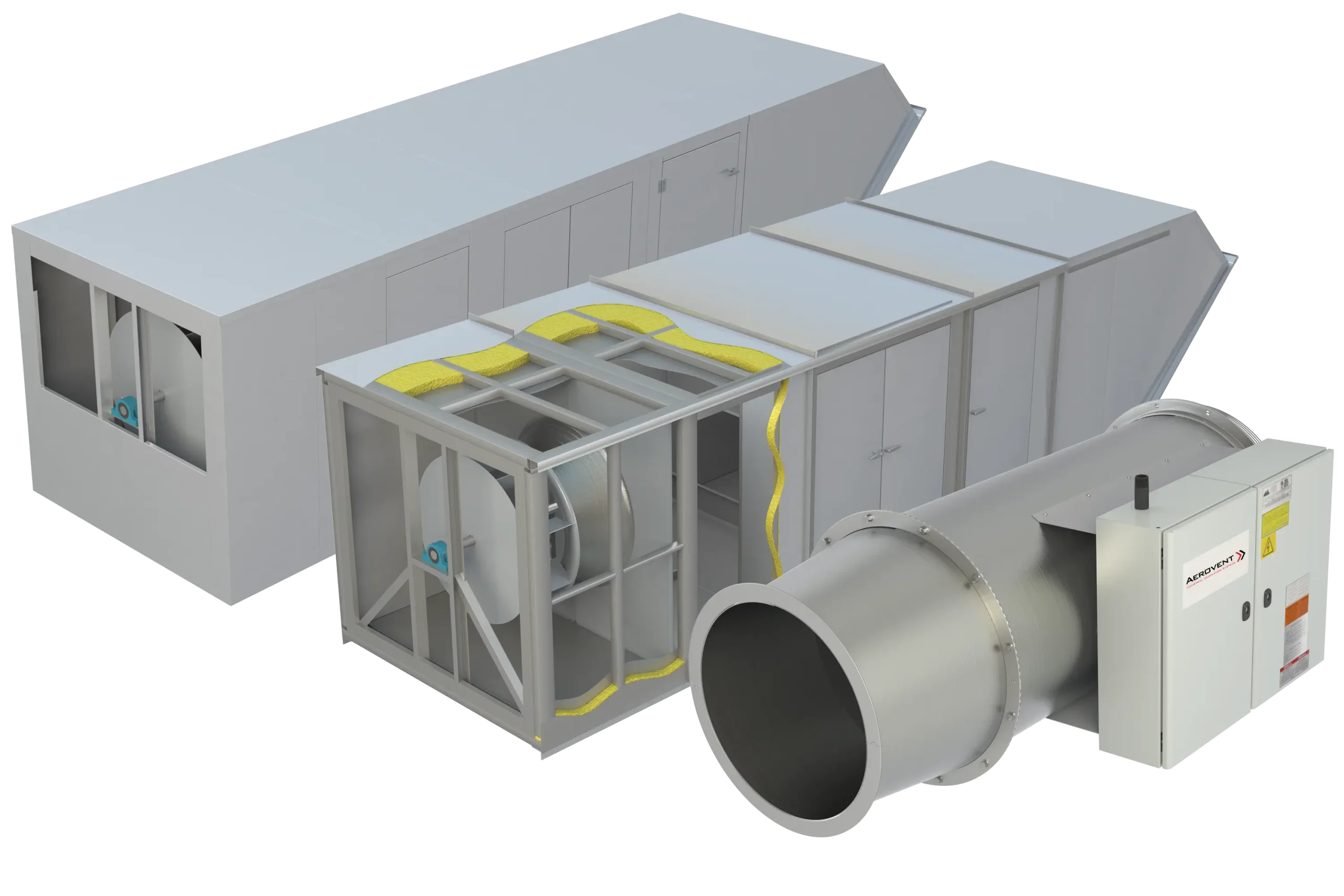


The fan moves air, but the network controls it. We engineer the Critical Air Path—from low-friction ductwork to precision terminal distribution—ensuring maximum system efficiency and SMACNA compliance.
“High-capacity fans are wasted on poor distribution networks.”
Every elbow and damper adds resistance. Our aerodynamic duct designs minimize External Static Pressure, allowing you to use smaller, energy-efficient fans to achieve the same CFM.
Generating airflow is useless if it doesn’t reach the target. Our adjustable drum louvers and double-deflection grilles ensure air throw reaches the occupancy zone.
Impact Analysis
Result: Optimized duct design can reduce fan HP requirements by up to 40%.
| Category | Standard / Rating | Performance Description |
|---|---|---|
| Fire Safety | ✓ EN 12101-3 (F300/F400) | Certified to operate at 300°C or 400°C for 2 hours during emergency smoke extraction. |
| Energy Efficiency | ✓ IE4 / IE5 Motors | Super Premium Efficiency motors reducing electrical consumption by up to 20%. |
| Air Performance | ✓ AMCA 210 / 300 | Aerodynamic performance and sound ratings verified in accredited laboratories. |
| Corrosion | ✓ ISO 12944 C4/C5 | Hot-dip galvanized or epoxy coated for high-humidity and marine environments. |
The backbone of industrial ventilation. Fabricated for airtight performance and structural rigidity.

Spiral & Rectangular modules with smooth-bore interiors to minimize drag.

Volume Control Dampers (VCD) and Fire Dampers for precise airflow balancing.

Drum louvers and double-deflection grilles for long-throw directional air supply.
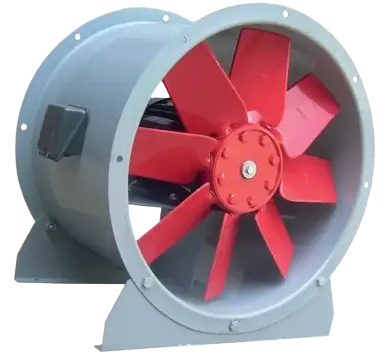
Reliable axial fans for general exhaust or duct boosting applications.
Heavy-duty prime movers engineered for continuous industrial duty.
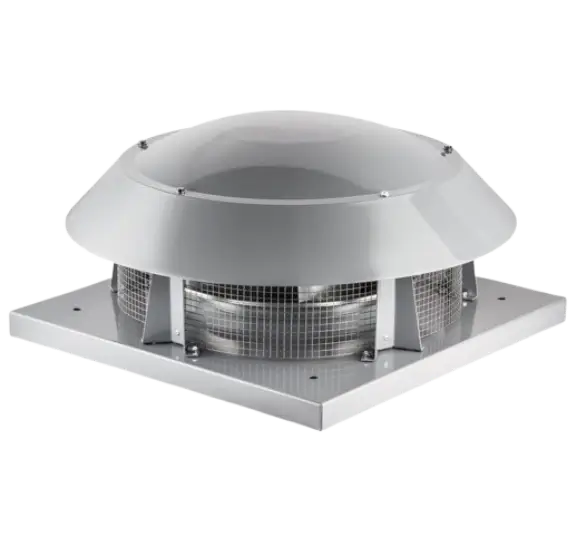 EC MOTOR
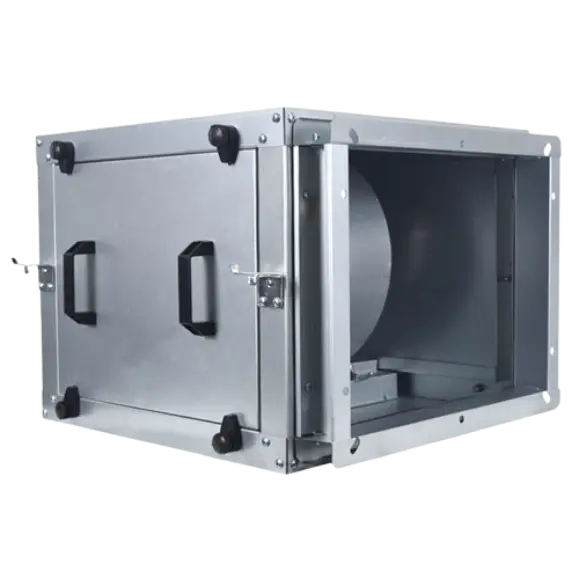 SILENT
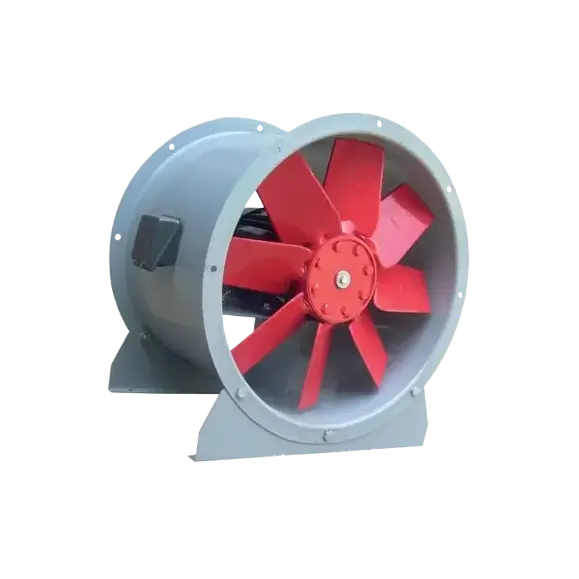 F400 RATED
Challenge: Smoke and heat accumulate at the ceiling, while workers on the floor need fresh air.
Strategic Drum Louvers and Jet Nozzles to punch fresh air through thermal layers directly to workstations.
Challenge: Vast open spaces make full air conditioning too expensive. Condensation risks.
Optimized Axial Exhaust combined with gravity intake louvers to create massive air exchange at low cost.
We simulate airflow patterns using Computational Fluid Dynamics to optimize duct sizing and fan placement before fabrication begins.
Ducts and fans are manufactured on automated coil lines ensuring consistent tolerances and airtight Class C connections.
Components undergo pressure testing. Modular kits are flat-packed or nested to reduce shipping volume by up to 40%.
Common technical questions regarding ventilation design, compliance, and ROI.
It depends on your goal. Use Negative Pressure for warehouses, welding shops, or kitchens to contain fumes and heat, preventing them from spreading to offices. Use Positive Pressure for cleanrooms, data centers, or electronics assembly to prevent dust infiltration from the outside.
The standard method is Air Changes Per Hour (ACH). For general warehousing, we recommend 6-10 ACH. For manufacturing with heat load or fumes, 15-20 ACH is required. Formula: Volume (m³) × Target ACH = Required Airflow (m³/h).
Absolutely. EC (Electronically Commutated) motors offer IE4/IE5 efficiency. Unlike AC motors, they maintain high efficiency even at partial speeds. For 24/7 operations, the ROI period is typically 12-18 months due to significant electricity savings.
These are fire safety classifications (EN 12101-3). F300 means the fan can operate at 300°C for 2 hours, while F400 withstands 400°C for 2 hours. This is mandatory for emergency smoke extraction systems in enclosed car parks and tunnels.
We approach noise control in three ways: 1) Using Sound Attenuators (Silencers) on the intake/outlet. 2) Using double-wall insulated ductwork. 3) Installing spring vibration isolators to prevent structure-borne noise transmission.
For chemical plants or coastal areas, standard galvanized steel is insufficient. We recommend Stainless Steel 316L or fans with a specialized Epoxy Phenolic coating. For highly acidic fumes, we supply Polypropylene (PP) plastic fans.