Need Specifications or a Quote?
Share your ventilation project requirements and our engineers will reply within 12 hours with technical specs, pricing, and lead time.
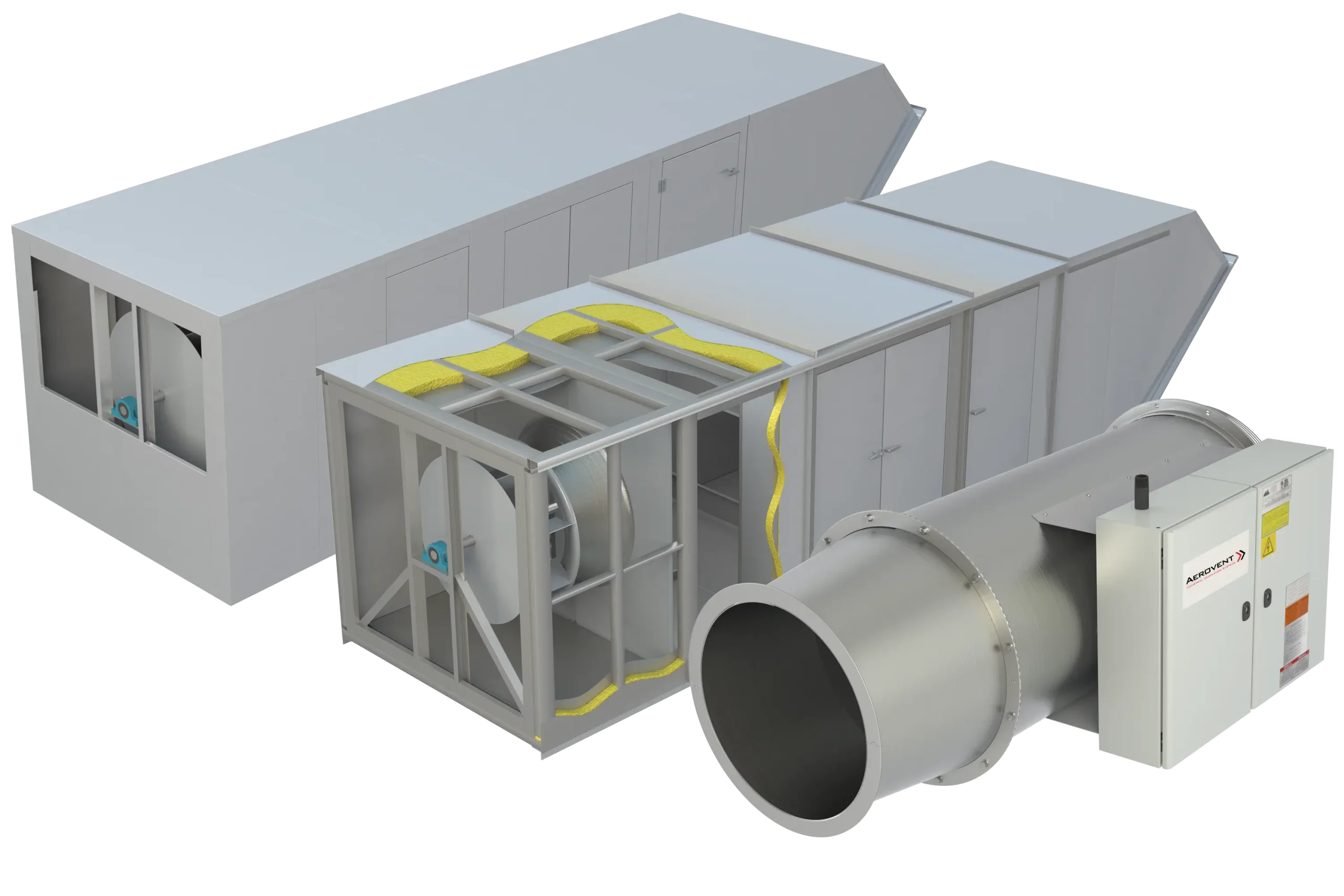



Your air conditioning duct system is more than just a series of connected pathways—it’s the lifeline of your home’s cooling performance. Yet, many homeowners overlook how essential proper air duct maintenance is to achieving comfort, reducing energy costs, and prolonging the lifespan of their HVAC system. From regular duct cleaning to precise insulation techniques, each step in duct upkeep contributes significantly to airflow efficiency.
Did you know that leaky or poorly maintained AC ducts can waste up to 30% of the cooling energy generated by your system? This means higher energy bills and reduced indoor comfort during the hottest months. On the other hand, a well-maintained duct system reduces energy loss, balances airflow, and ensures optimal cooling performance throughout your home. With the right strategies—cleaning, sealing, insulating, and upgrading—you can transform the efficiency of your HVAC ductwork.
In this article, we’ll provide actionable tips and insights to help you improve your air conditioning duct system, from detailing what signs indicate inefficiency to recommending advanced technologies like smart HVAC monitoring. By implementing these strategies, you’ll be well-equipped to enhance cooling performance during peak seasons, lower energy consumption, and protect your investment for years to come. Let’s explore how efficient duct maintenance unlocks better cooling and greater savings.
Proper maintenance and optimization of your air conditioning duct system are crucial for maximizing cooling efficiency and reducing energy costs. While many discussions cover the types and installation of ductwork, understanding the impact of maintenance timing and practices on seasonal energy peaks can offer unique insights. Below, we’ve distilled essential tips for ensuring your AC ducts perform at their best.
Maintaining and optimizing your air conditioning duct system involves not only keeping it clean and leak-free but also timing maintenance strategically to align with peak seasonal needs. Let’s delve deeper into the critical techniques and considerations that make your cooling system effective and cost-efficient throughout the year.
An air conditioning duct system is the circulatory network of your home’s HVAC system. The outdoor unit and indoor coil may generate the cooling, but it is the air conditioning duct network that determines how efficiently that cooling reaches each room. Poorly designed or neglected ducts can waste 20–40% of conditioned air, directly increasing energy bills and reducing comfort.
Most residential HVAC ductwork is a combination of several core components that must work together as a balanced system:
Supply ducts: These ducts deliver conditioned air from the air handler or furnace to each room. Their size, layout, and length affect airflow CFM and noise levels.
Return ducts: These pull air back to the air handler to be cooled again. Undersized or leaky returns are a common source of poor duct performance and pressure imbalances.
Trunk ducts and branches: A main “trunk” line feeds smaller branch ducts. Proper trunk sizing and layout are addressed in resources such as the HVAC Trunk Duct Installation, Materials, Sizing and Best Practices guide.
Plenums and air duct boxes: These act as distribution chambers at the air handler, helping to equalize pressure and break out into multiple runs. Homeowners can learn more in the Air Duct Box Guide: Types, Installation & Materials.
Grilles, registers, and diffusers: These visible end points influence throw, mixing, and noise. Their free area and damper settings affect room-level balancing.
Efficient air conditioning depends not just on the equipment SEER rating but on how well these components are sized and integrated into a coherent duct system.
Different duct materials and configurations influence air leakage, thermal losses, and installation costs. Choosing and maintaining the right type of ducting can significantly improve AC duct efficiency.
For a comprehensive overview of duct categories, layouts, and applications, see the HVAC Duct Comprehensive Guide to Types, Sizes and Installation. Below is a simplified comparison of common residential duct types.
| Duct Type | Typical Use | Pros | Cons | Relative Efficiency Potential* |
|---|---|---|---|---|
| Sheet metal (galvanized steel) | Main trunks, long runs | Durable, low friction, easy to clean | Higher material and labor cost; needs careful sealing | Very high when sealed and insulated |
| Flexible duct | Branch runs, tight spaces | Quick to install, adaptable routing, lower cost | Prone to kinks, sagging, and higher friction if not installed per best practices | Moderate to high with proper support and length control |
| Fiberglass duct board | Plenums and short runs | Built-in insulation, quieter operation | Can degrade if wet, must protect from mold and damage | High when kept dry and intact |
| Flexible air duct hose | Localized exhaust, temporary use | Highly flexible and specific-task oriented | Not ideal for main cooling runs; durability varies | Low to moderate; application-specific |
*Efficiency potential assumes correct installation, sealing, and duct insulation.
For homeowners planning upgrades or replacements, the Air Ducts Collection and the Essential Guide to Selecting the Best Air Duct Hose provide deeper product-level insights.
Flexible ducting is especially common in attics. The Flexible Air Duct Guide: Types, Benefits and Installation Best Practices explains how proper support spacing, straight runs, and minimal compression are essential for maintaining design airflow CFM and reducing static pressure. As we move from types of ducting to performance, the next step is learning how to recognize when your existing AC ducts are not operating efficiently.
Many homes lose a quarter or more of their cooling energy through leaky, poorly insulated, or unbalanced ducts. Detecting these issues early allows you to perform targeted air duct maintenance instead of expensive system replacements.
Several everyday signs indicate your air conditioning duct system may be underperforming:
Hot and cold spots between rooms: If some rooms are consistently too warm while others are too cold with the same thermostat setting, it often indicates restricted branches, disconnected sections, or poor duct design rather than equipment failure.
Weak airflow at registers: A noticeable drop in airflow from particular vents suggests crushed or kinked flex duct, closed dampers, or significant leakage before the register.
Unusually high energy bills: When energy use rises 15–30% year over year despite similar weather, inefficient HVAC ductwork or leaks in unconditioned spaces may be a major factor.
Excess dust and poor indoor air quality: Leaky return ducts can pull dusty, unfiltered air from attics or crawlspaces, increasing dust accumulation and allergy symptoms.
Noise from ducts: Whistling, banging, or “oil canning” noises can indicate undersized ducts, improper fittings, or high static pressure.
Short-cycling or long run times: If the system cycles rapidly yet never feels comfortable, or runs continuously on peak days, it may be fighting substantial duct losses or poor air distribution.
Any one of these signs does not prove duct failure, but a combination strongly suggests that your air conditioning duct system needs review.
While a professional test using pressure diagnostics and flow hoods is ideal, homeowners can perform basic checks to identify obvious issues before scheduling service.
Visual inspection: In accessible areas like basements and attics, look for disconnected joints, sagging flexible ducts, unsealed seams, or ducts crushed by storage items. The article Common Air Duct Installation Issues, Performance Loss & Prevention illustrates frequent installation errors to watch for.
Feel for air leaks: With the system running, carefully pass your hand near duct joints, elbows, and plenums. Air blowing from seams instead of registers is a clear sign of leakage.
Use incense or a smoke pencil: Light incense and move it around suspected leak points. Smoke deflected or drawn into gaps indicates pressure-driven leakage.
Measure register temperatures: Use an inexpensive infrared thermometer to compare supply temperatures at different rooms. Large differences may indicate losses through poorly insulated runs or duct disconnections.
Identifying these symptoms early enables targeted duct sealing and repair. The next logical step is understanding the best practices for ongoing air duct maintenance, which preserves both performance and equipment lifespan.
Effective air duct maintenance focuses on three pillars: keeping ducts clean, keeping them sealed, and keeping them prepared for seasonal loads. When done correctly, these practices can reduce energy consumption by 10–25% while improving comfort and indoor air quality.
Homeowners often ask, “How often should ducts be cleaned?” There is no universal schedule, but several indicators drive the need for cleaning:
Visible dust buildup, mold, or debris inside registers or returns.
Recent major renovations generating construction dust.
Persistent odors or allergy symptoms linked to HVAC operation.
For most homes, a professional duct cleaning every 5–7 years is reasonable when combined with regular filter changes. The detailed article Air Duct Maintenance Tips to Improve Efficiency & Save Money outlines cleaning best practices and cost considerations.
Homeowners can maintain cleaner AC ducts between professional visits by:
Changing filters on schedule and upgrading to higher MERV ratings compatible with the system’s design static pressure limits.
Vacuuming supply and return grilles regularly to remove surface dust and prevent it from being pulled deeper into the system.
Keeping return air paths unobstructed; furniture or curtains blocking returns increase dust recirculation and strain on the blower.
Unsealed joints are one of the largest contributors to wasted cooling. Sealing duct leaks in attics, crawlspaces, and garages has been shown in energy studies to cut total HVAC energy use by 15–20% in many homes.
Key duct sealing steps include:
Identifying major leaks: Focus on joints at plenums, takeoffs, and long seams. Leaks in unconditioned spaces matter most because they represent lost cooling rather than redistributed air.
Using mastic or UL-listed tape: Avoid common cloth “duct tape.” Instead, use water-based mastic or foil-backed, UL-rated tapes compatible with your duct material.
Sealing both supply and return: Many homeowners only address supply ducts, but return-side leaks pull in hot, dusty attic air, increasing load and filtration needs.
When ducts are accessible, a methodical sealing project can often be completed in a weekend. For more complex systems or when planning replacement, the HVAC Ductwork Replacement Guide provides insight into when replacing versus repairing is more cost-effective.
Expert recommendation: Schedule major duct inspections, sealing, and insulation upgrades in the shoulder seasons (spring and fall). Aligning maintenance with seasonal energy efficiency peaks ensures your system is optimized before the most demanding summer cooling and winter heating loads arrive.
Aligning air duct maintenance with seasonal cycles offers a hidden advantage. When ducts are tuned before hot weather, the system can operate closer to its rated EER and SEER values. Utilities often report that homes with pre-season duct tune-ups experience 10–15% lower peak demand usage compared to those performing ad-hoc mid-summer repairs.
A practical timing strategy for homeowners is:
Late winter to early spring: Conduct a full visual inspection, seal obvious leaks, confirm duct insulation, and have a professional check airflow CFM and static pressure before the cooling season.
Late summer to early fall: Address any airflow issues discovered during summer, consider cleaning if dust buildup is evident, and prepare for winter heating loads that rely on the same duct network.
This seasonal rhythm minimizes emergency breakdowns during peak weather and extends equipment life. Once maintenance fundamentals are in place, the next focus is how to enhance airflow efficiency and overall cooling performance through better design and insulation.
Airflow is the most critical and often most overlooked factor in HVAC performance. Even a high-efficiency condensing unit cannot perform properly if AC ducts are undersized, poorly routed, or excessively restrictive. Improving airflow reduces runtime, enhances comfort, and lowers operating costs.
Proper duct sizing ensures the system delivers design airflow CFM to each room. Oversized ducts can lead to poor air mixing and humidity problems, while undersized ducts increase velocity and static pressure, stressing the blower and creating noise.
Professionals rely on methods outlined in resources like the How to Size Air Ducts: CFM, Velocity, Pressure Drop guide to achieve balanced design. Homeowners evaluating “how to improve AC duct efficiency” should consider the following indicators that ducts may be mis-sized:
Consistently noisy airflow at certain registers, suggesting excessive velocity.
High static pressure readings observed during professional tune-ups.
Correcting chronic sizing issues may require replacing sections of trunk and branch ducts. The HVAC Ductwork Replacement Guide and Air Ducts Collection are helpful references when planning such projects.
Proper duct insulation is essential wherever ducts pass through unconditioned spaces such as attics, crawlspaces, or garages. Insulation minimizes heat gain in cooling seasons and heat loss in heating seasons, improving seasonal energy efficiency ratios.
When homeowners ask about the “best insulation for AC ducts,” the correct answer depends on climate, duct location, and local codes. The table below compares common residential duct insulation strategies.
| Insulation Approach | Application | Benefits | Typical R-Value Range | Best Use Case |
|---|---|---|---|---|
| Insulated flexible ducts | Factory-insulated supply and return runs | Integrated insulation, reduced labor | R-4 to R-8 | Attic and crawlspace runs in most climates |
| External wrap on metal ducts | Fiberglass or foam wrap around sheet metal | Customizable thickness, high durability | R-4 to R-10 | Long trunk lines and plenums in hot or mixed climates |
| Duct board construction | Duct constructed from rigid fiberglass board | Integrated thermal and acoustic insulation | R-4 to R-6 | Plenums and short runs where noise control matters |
For maximum efficiency, ducts in unconditioned spaces should typically meet or exceed R-8 insulation in hot climates. Gaps, compression, or damaged insulation significantly reduce real-world performance.
Several relatively simple upgrades can enhance airflow and distribution without a complete duct redesign:
High-performance supply registers and grilles: Replacing older, restrictive grilles with models offering higher free area can reduce pressure loss while maintaining good throw.
Balancing dampers: Installing or adjusting dampers in branch ducts allows technicians to fine-tune flow to each room, eliminating hot and cold spots.
Improved fans and blowers: When paired with properly sized ducts, modern ECM blowers and selected Axial Fans in specific configurations can deliver the same cooling with lower watt draw, enhancing system efficiency.
Careful integration of these upgrades, combined with proper duct design and insulation, can increase total system efficiency by double-digit percentages. To maintain these gains over time, integrating monitoring and smart technologies is the next logical step.
Smart HVAC technologies have moved beyond thermostats and now allow homeowners to monitor duct performance and predict maintenance needs. These tools transform reactive repairs into proactive, data-driven air duct maintenance.
Modern systems increasingly incorporate sensors within the duct network to measure key parameters:
Temperature sensors: Placed at strategic supply and return locations, these identify unusual temperature drops or gains that may indicate insulation failures or leaks.
Static pressure sensors: Monitoring velocity pressure drop and overall static helps detect filter blockages, closed dampers, or duct damage before comfort issues arise.
Air quality sensors: Integrated sensors can detect particulate spikes, VOCs, or humidity issues associated with duct contamination or infiltration.
Coupled with smart thermostats, these devices can alert homeowners when ducts deviate from expected performance baselines. For example, a sudden increase in static pressure with no change in system settings may indicate a collapsed flexible duct or obstructed return grille.
Smart monitoring enables maintenance to be scheduled when it delivers the most benefit, especially around seasonal energy efficiency peaks. Instead of fixed calendar-based service, data-driven strategies trigger maintenance when performance metrics cross certain thresholds.
Common smart maintenance triggers include:
Static pressure remaining above a preset threshold for a defined number of operating hours.
Supply air temperature differentials outside the expected range under given outdoor conditions.
Fan energy use trending upward while delivered airflow CFM remains constant or declines.
By aligning duct cleaning, sealing, and filter changes with these data points—especially just before summer peaks—homeowners maintain higher effective SEER in real-world operation than similar systems without monitoring.
A homeowner in a hot, humid climate retrofitted their 2,400 square foot home with smart duct sensors and a connected thermostat. Baseline data showed high static pressure and inconsistent supply temperatures. A professional inspection, guided by the data, identified:
Two partially collapsed flexible branches feeding bedrooms.
Significant leakage in a return trunk running through the attic.
Undersized return grille in the main living area.
Repairs included replacing the damaged flex with properly supported duct from the Air Ducts Collection, sealing the attic return with mastic, upgrading insulation to R-8, and installing a larger return grille. After the retrofit, monitored data showed:
Static pressure reduction of approximately 30% under comparable operating conditions.
More consistent supply temperatures across all rooms, within 2°F of each other.
Cooling runtime reduction of about 18% over the next summer compared to the previous year, adjusted for weather.
Utility bills showed an annual savings of roughly $420, with improved comfort and lower noise. This example demonstrates how smart technology, combined with targeted physical improvements, can significantly enhance AC duct efficiency. To maintain these gains long term, regular professional inspections and a structured maintenance plan are essential.
While informed homeowners can perform visual inspections and minor maintenance, comprehensive evaluation of HVAC ductwork requires professional tools and expertise. Regular inspections help identify problems invisible to the naked eye and ensure the system continues to perform efficiently as the home ages.
Professional duct evaluations typically combine several diagnostic techniques:
Duct leakage testing: Technicians pressurize the duct system and measure leakage to quantify losses. This identifies whether sealing efforts are needed and where they will offer the most benefit.
Static pressure profiling: Using manometers, they measure pressure at key points to assess if returns are adequate, filters are restrictive, or ducts are undersized.
Airflow balancing: Flow hoods or anemometers help measure register-level supply to adjust dampers and verify that each room receives the proper share of airflow.
Thermal imaging and temperature checks: In some cases, thermal cameras reveal uninsulated sections or thermal losses through leaky connections.
The resulting report often prioritizes repairs and upgrades, enabling homeowners to address the most impactful issues first. Many of the recommended solutions draw on principles covered in Broming’s HVAC Duct Comprehensive Guide to Types, Sizes and Installation and associated resources on fittings and installation quality.
Integrating duct inspections into seasonal equipment tune-ups maximizes the value of both. A practical schedule for most homes is:
Annually: Perform a combined HVAC tune-up and duct system check each spring, focusing on filter condition, visible duct damage, insulation integrity, and basic airflow verification.
Every 2–3 years: Have a more thorough duct performance assessment, including static pressure profiling and partial balancing as needed.
Every 5–7 years: Evaluate the need for professional duct cleaning, deeper sealing projects, or partial ductwork replacement as the home and system age.
These timeframes should be adjusted for homes in dusty climates, with pets, or with complex multi-story duct systems. The Air Duct Maintenance Tips to Improve Efficiency & Save Money article offers additional guidance on tailoring schedules to your situation.
Consider a 3,000 square foot home in a region with hot summers and mild winters. The homeowners historically scheduled HVAC service reactively when comfort issues appeared—often during July heat waves. After consulting HVAC professionals and reviewing resources on Common Air Duct Installation Issues, Performance Loss & Prevention, they shifted to a proactive, seasonally aligned maintenance plan.
Over two years, the plan included:
Spring duct inspections, sealing leaks in the attic, and adding insulation around major trunk lines.
Early summer airflow balancing to correct room-level comfort complaints before peak temperatures.
Autumn filter upgrades and verification that ducts were ready for winter heating loads.
By the second summer, measured cooling energy consumption—normalized for degree days—was roughly 20% lower than baseline. At local energy prices, this translated to approximately $650 in annual savings. Just as significantly, emergency calls dropped to zero, and indoor comfort improved noticeably.
This case illustrates how aligning duct-focused maintenance with seasonal energy efficiency peaks yields better outcomes than ad-hoc service. Homeowners who adopt similar strategies, supported by expert resources such as the Broming HVAC knowledge base and product collections, can sustain high-performing air conditioning duct systems for many years while controlling operating costs and extending equipment life.
Understanding the importance of your air conditioning duct system is critical to achieving optimal comfort, reducing energy costs, and ensuring a healthy indoor environment. The article provided a comprehensive view of the key components, types, challenges, and best practices associated with HVAC ducts. Here, we summarize the key takeaways and give final thoughts to empower you with actionable steps to improve or maintain your duct system’s performance.
The various parts of your duct system—such as supply and return ducts, plenums, fittings, and grilles—must function cohesively to deliver conditioned air effectively. Inefficiencies, such as leaks, poor layouts, or undersized designs, can lead to wasted energy, uneven temperatures, and unnecessary wear on your HVAC system. Resources such as the HVAC Trunk Duct Installation, Materials, Sizing and Best Practices guide can help homeowners understand the importance of proper design and installation.
Signs like hot and cold spots, weak airflow, or unusually high energy bills often indicate underlying duct problems. Addressing these issues early, through inspections or basic checks such as airflow testing and visual leak detection, prevents long-term inefficiencies. For example, guides like the Common Air Duct Installation Issues, Performance Loss & Prevention offer strategies to spot and fix such inefficiencies proactively.
Scheduled duct maintenance, including regular cleaning, sealing of leaks, and verifying insulation, minimizes energy waste and extends system lifespan. Cleaning strategies tailored to your home’s specific needs—like those outlined in the Air Duct Maintenance Tips—can also foster better air quality. Additionally, sealing ducts in unconditioned spaces can reduce air loss by 15–20%, saving you significant money over time.
If you’re looking to enhance the overall efficiency of your HVAC system, consider advanced tools and upgrades such as properly sized ducts, higher R-value insulation, and smart technologies for monitoring performance. Uptake of solutions like smart thermostats and duct-mounted sensors (as detailed in the case studies shared) allows homeowners to optimize systems based on real-time data, maintaining efficiency during seasonal energy peaks. Explore the HVAC Duct Comprehensive Guide for more on innovative options.
Your duct system’s performance is closely tied to how well it can handle seasonal demands. To ensure peak efficiency, conduct spring and fall inspections and tune-ups. Engaging a professional for evaluations and maintenance every few years can identify leaks, verify airflow balancing, and ensure your ductwork aligns with the latest standards for insulation and design, as recommended in the HVAC Ductwork Replacement Guide. Regular inspections and upgrades will keep your system performing optimally while offering peace of mind.
Your HVAC duct system is central to achieving energy efficiency, comfort, and indoor air quality. Small actions, such as paying attention to Air Ducts, sealing leaks, and integrating smart technology, can lead to significant improvements not only in operational cost but also in everyday comfort levels. Prioritize duct performance as part of your overall HVAC maintenance strategy, and invest in periodic professional assessments to extend the lifespan and efficiency of your system.
Whether you’re planning on upgrading or simply maintaining your existing ductwork, Broming HVAC’s extensive library of guides and expert tips—like the How to Size Air Ducts: CFM, Velocity, Pressure Drop tutorial—stands ready to assist with every step. By adopting a proactive approach to air duct efficiency, you’re not just optimizing your home’s cooling performance; you’re investing in a long-term solution for better energy management, lower costs, and enhanced comfort year-round.


