Need Specifications or a Quote?
Share your ventilation project requirements and our engineers will reply within 12 hours with technical specs, pricing, and lead time.
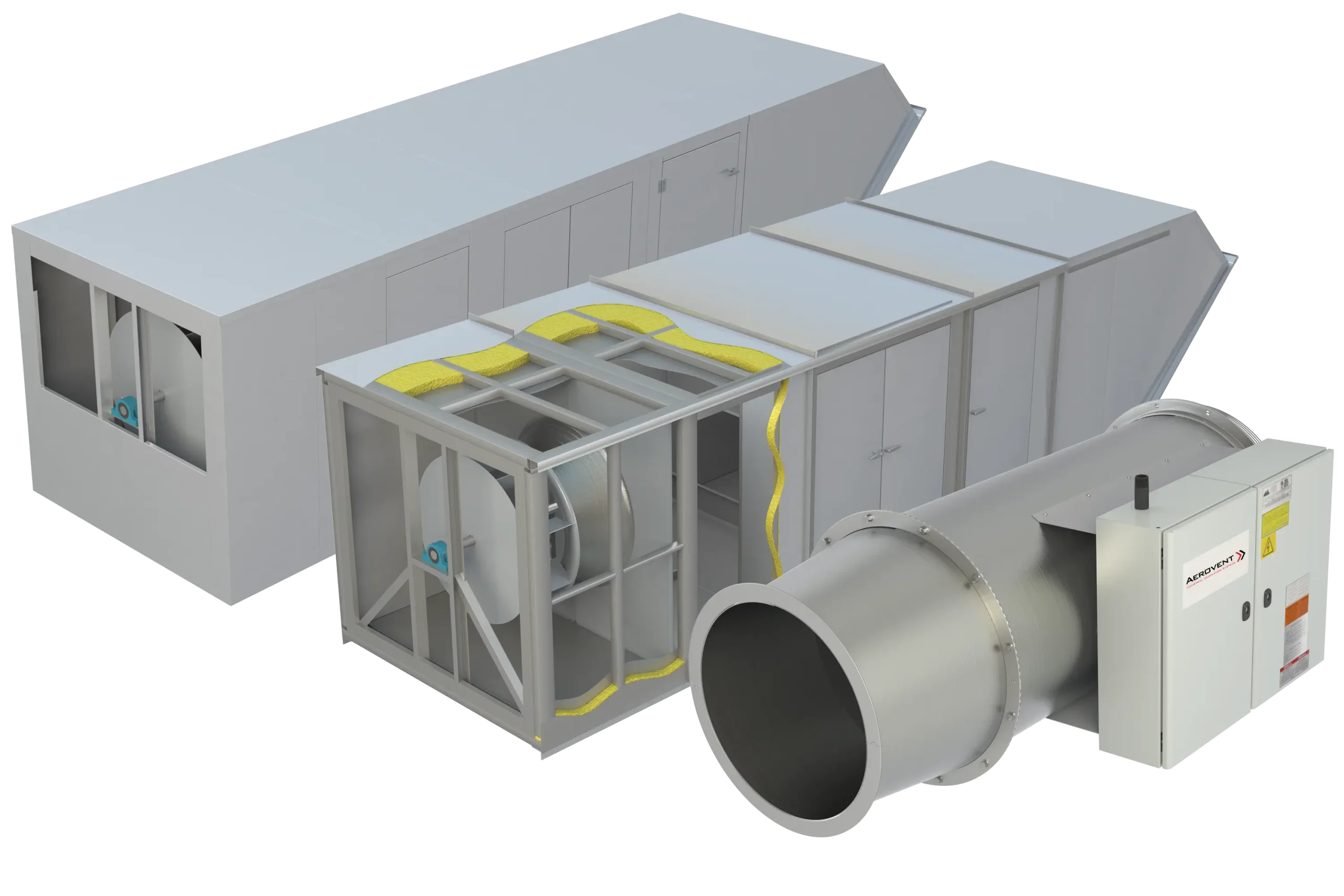


HVAC System Integration & Aerodynamic Excellence

Optimized for architectural integration and 180° airflow adjustment.
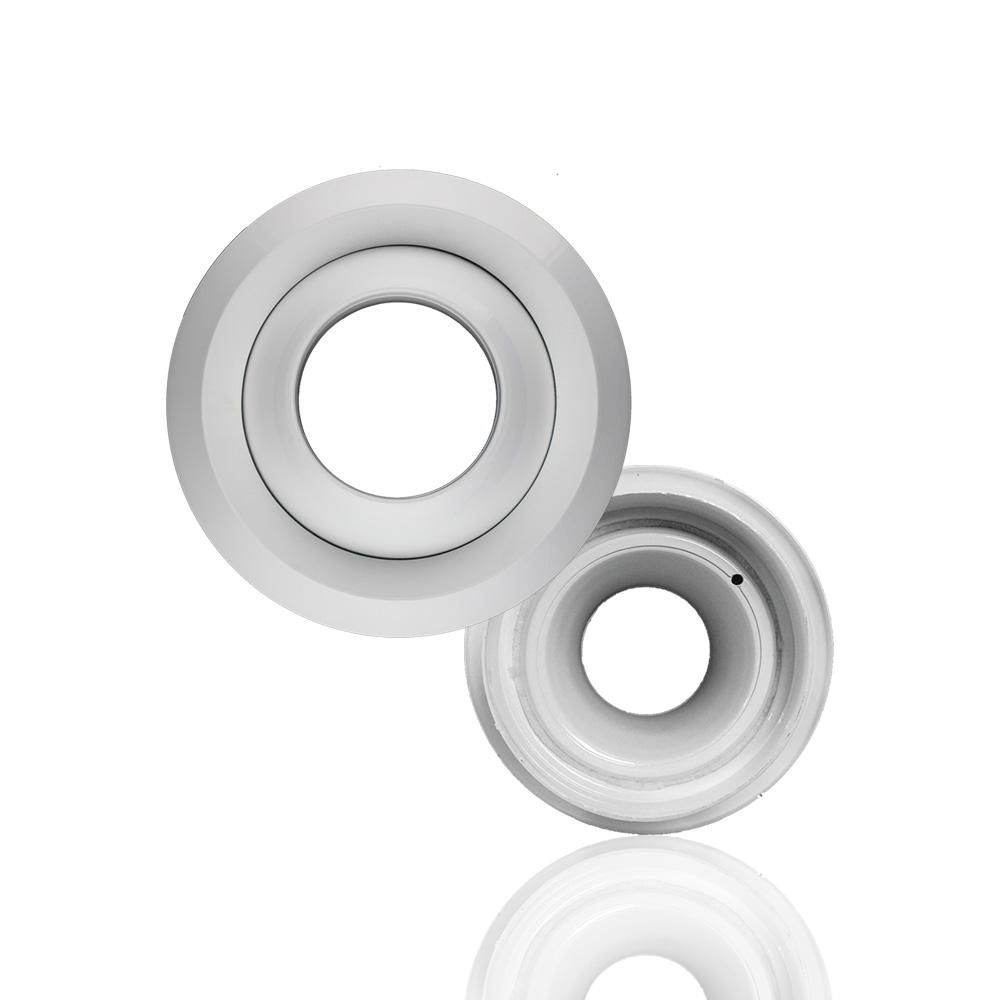
Engineered for long-distance projection (15m+) in high-bay atriums.
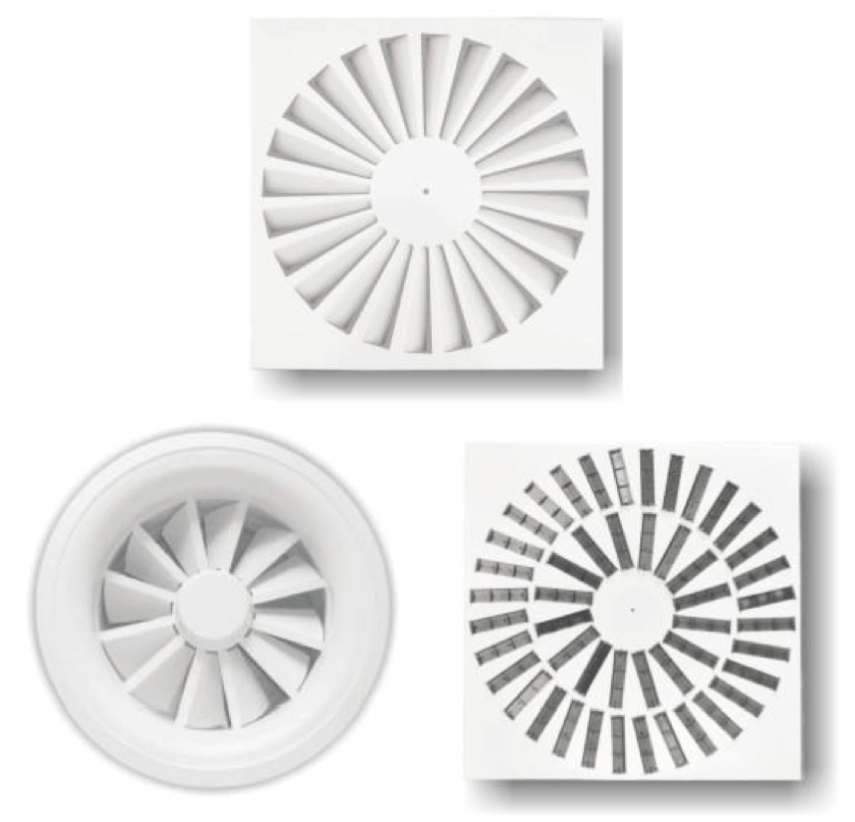
Rapid air mixing for immediate thermal equalization in VAV systems.

Superior airtightness for efficient air conveyance in diverse industrial projects.
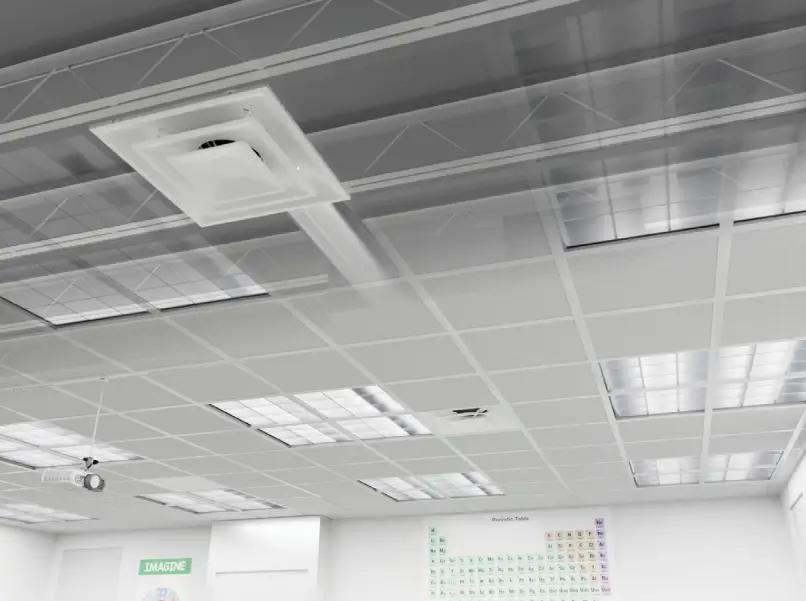
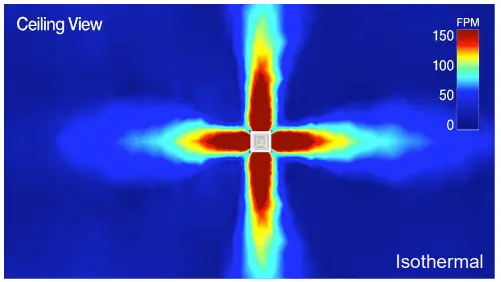
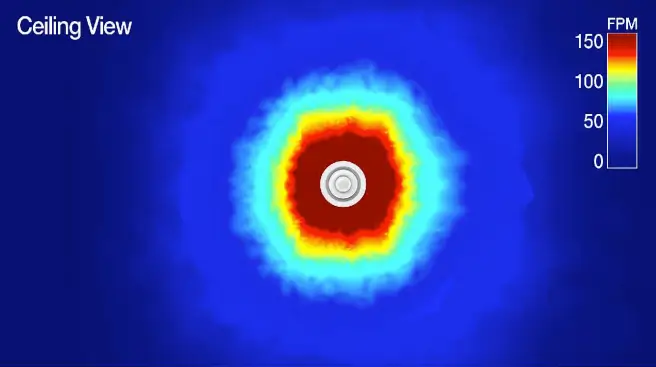
PrecisionHigh-tolerance extrusion (±0.1mm) ensures consistent airflow patterns.
AestheticsSeamless architectural integration, ideal for linear slot diffusers.
DurabilityLightweight yet structurally stable for long-term commercial use.
ResistanceMaximum protection against corrosion and harsh chemical cleaning.
HygieneZero-particle erosion, essential for sterile cleanrooms and laboratories.
StabilityMaintains mechanical integrity across extreme temperature fluctuations.
RigidityHigh structural strength (G60/G90) prevents vibration in high-pressure systems.
EfficiencyCost-effective solution for airtight plenums and industrial ducting.
Seal IntegrityEnables superior airtightness class compliance for concealed components.
CustomizationPrecise RAL color matching to fit any architectural interior design.
ProtectionAntimicrobial silver-ion coatings and UV-resistant finishes for specialized zones.
UV & Wear ResistanceHigh-durability finishes (Fluorocarbon/Anodized) protecting against color fading and physical abrasion.
01
Design audit and CFD airflow simulation for performance prediction.
02
High-tolerance manufacturing utilizing automated ISO-certified lines.
03
Verification according to ASHRAE Standard 70 for throw and NC.
04
Site-ready pre-labeled modular packaging for 30% faster installation.
The Air Diffusion Performance Index (ADPI) is a critical metric for thermal comfort. It represents the percentage of the occupied zone that meets specific air velocity and temperature uniformity standards (typically within ±1°C). Our systems are engineered to achieve an ADPI of 80% or higher, ensuring zero stagnant zones and maximum occupant comfort.
In Variable Air Volume (VAV) systems, low airflow can cause “air dumping” (cold air falling vertically). Our linear and swirl diffusers feature optimized internal blade geometry that maintains surface attachment (Coanda Effect) even at 30% of nominal airflow, preventing drafts and ensuring consistent mixing.
Our standard configurations are designed to meet NC 25-35 for commercial offices and theaters. We provide detailed acoustic path analysis and can integrate custom-lined plenum boxes with broadband sound attenuation to meet even more stringent acoustic requirements for high-spec environments.
While Aluminum 6063-T5 is standard for commercial use, Stainless Steel 316L is recommended for sterile or corrosive environments (e.g., pharmaceutical labs, chemical plants, or coastal projects). SS316L offers superior resistance to oxidized cleaning agents and prevents particle erosion in ISO-certified cleanrooms.
Leveraging our advanced extrusion capabilities, we maintain a geometric tolerance of ±0.1mm. This precision ensures that long runs of linear diffusers maintain a perfectly straight architectural line and consistent airflow discharge gaps, which is critical for both aesthetics and performance.
Yes. Our rectangular and spiral ducting systems are manufactured to meet SMACNA Leakage Class 3 and Eurovent Class C/D standards. Every modular batch undergoes internal pressure testing at 2500 Pa to ensure minimal system leakage and optimized fan energy efficiency.
We offer a comprehensive BIM-ready Revit library that includes precise technical metadata (airflow vectors, throw distances, and NC levels). This allows engineers to perform accurate system simulations directly within their building models.
We pre-assemble terminal units with their respective plenum boxes and dampers in our factory. Every component is pre-labeled by floor and zone according to your site plan. This “Plug-and-Play” approach typically reduces on-site labor time by 25%–30% and minimizes installation errors.
Yes. For iconic projects with unique geometries (like high-bay atriums or curved facades), our engineering team can provide Computational Fluid Dynamics (CFD) reports. This validates the airflow patterns, throw, and velocity before any manufacturing begins, eliminating project risk.