Need Specifications or a Quote?
Share your ventilation project requirements and our engineers will reply within 12 hours with technical specs, pricing, and lead time.



Did you know that an HVAC system is much more than just air conditioning? While standalone air conditioning units focus solely on cooling, HVAC systems are engineered for complete climate control—integrating heating, ventilation, and air quality management alongside cooling. These systems offer a powerful solution for maintaining indoor comfort across all seasons while prioritizing efficiency and functionality.
Understanding what the HVAC system entails in air conditioning is essential for homeowners and business operators alike. HVAC systems combine advanced components such as blowers, compressors, evaporator coils, and ductwork to create a seamless process for regulating indoor temperatures and airflow. With added features like energy-efficient controls, smart integration, and robust ventilation mechanisms, HVAC systems surpass ordinary AC units in both performance and flexibility.
In this guide, we’ll examine how HVAC works with air conditioning, dive into the differences between these systems, and explore how modern innovations—like zoned temperature control and smart thermostats—are shaping the future of indoor comfort. Let’s delve into the details that make HVAC systems a comprehensive choice for maintaining both comfort and efficiency.
Understanding the intricacies of HVAC systems in air conditioning is crucial for optimizing temperature regulation, comfort, and energy efficiency. HVAC systems go beyond traditional air conditioning units by offering integrated functionality for heating, cooling, ventilation, and air quality management. Below are key takeaways that dive into core components, differences between HVAC and AC, and the value of smart integration.
As HVAC systems evolve, they increasingly prioritize efficiency, smart connectivity, and seamless functionality. In the sections ahead, we’ll explore a detailed analysis of HVAC components, compare their performance with traditional AC units, and highlight how integrated systems contribute to improved energy management and enhanced home comfort.
The term HVAC stands for Heating, Ventilation, and Air Conditioning, representing a comprehensive system designed to regulate temperature, humidity, and indoor air quality. When integrated with air conditioning systems, HVAC units form the backbone of modern climate control in residential, commercial, and industrial spaces.
In an air conditioning setup, the HVAC system operates to extract heat, circulate cooled air, and maintain consistent temperatures across rooms. By harnessing a combination of heating and cooling elements, along with sophisticated ventilation mechanisms, HVAC systems ensure an optimal indoor environment all year round.
To fully understand what is the HVAC system in AC, we must explore its integration with the cooling components, such as compressors, condensers, and evaporators. The ability to adjust temperature and humidity precisely is key to improving comfort and energy efficiency within buildings.
Additionally, HVAC systems incorporate advanced features like programmable thermostats and zoned cooling. These technologies allow users to customize the air conditioning system to their needs, ensuring significant energy savings and improved system performance. For more information on HVAC basics, visit HVAC Basics.
Next, let us delve into the specific components that make such systems work efficiently.
Within the HVAC system used in air conditioning, the compressor is crucial in circulating refrigerant between the indoor and outdoor units. It enhances pressure, ensuring rapid heat transfer within the system. On the other hand, the condenser expels heat outside, transforming the refrigerant back into a liquid state.
The compressor and condenser work together to cool indoor spaces efficiently. Modern setups use variable-speed compressors, which adjust their capacity based on cooling demands, significantly improving energy efficiency and comfort.
Learn more about equipment like axial fans and their role in system cooling efficiency from Axial Fans Equipment.
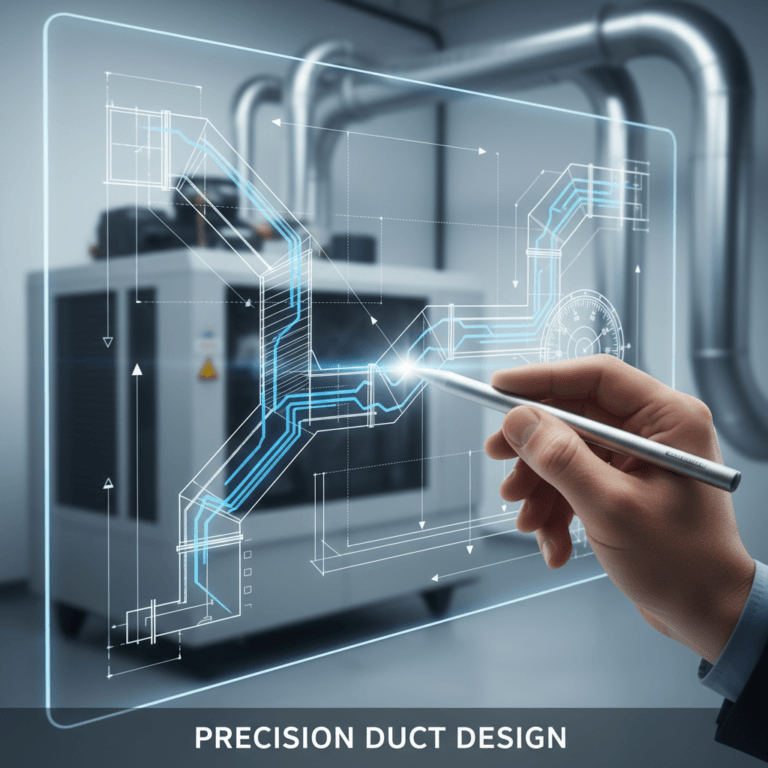
Ductwork forms the backbone of the forced-air system. It moves conditioned air from the HVAC unit to different areas through a network of interconnected pipes. Depending on the project, homeowners and contractors can choose between rectangular, spiral, or double-wall duct designs.
Efficient ductwork like Double Wall Rectangular Duct enables smooth air circulation, reducing energy loss and maintaining indoor air quality. Properly insulated duct systems also minimize heat transfer, improving the HVAC system’s capacity to cool effectively.
Understanding air duct systems is critical for ensuring HVAC performance. Explore Rectangular Ductwork Explained for an in-depth look into duct designs and benefits.
The blower, often driven by the motor, ensures proper airflow throughout the system’s ductwork. These components, especially Type S Tubeaxial Fan setups, are equipped to handle high static pressure levels, maintaining consistent airflow throughout large spaces.
Axial fans play a crucial role in ventilation systems, providing steady air movement to prevent stagnation and improve indoor air quality. Learn more about fan types at Axial Fans Equipment.
Thermostats serve as the control center of heating and cooling systems. Modern programmable models allow precise temperature adjustments at specific times, dramatically reducing unnecessary power consumption.
Systems with smart thermostats integrate seamlessly with energy management platforms, fine-tuning cooling cycles based on occupancy, weather forecasts, and other factors. They can also monitor HVAC components, identifying issues such as blower inefficiencies or blocked air ducts.
Ventilation in HVAC systems performs dual functions: removing air contaminants and regulating temperature. By bringing outdoor air into the setup, ventilation systems dilute excess heat, odors, and airborne particles. This ensures a healthier indoor environment suitable for both residential and commercial use.
To optimize ventilation, contractors often rely on products like Type P Tubeaxial Fan, which work efficiently in both high-pressure and medium-pressure environments. Visit How Does HVAC Ventilation Work for a detailed analysis.
Forced-air HVAC systems distribute conditioned air using fans, duct networks, and return grilles. This method is ideal for evenly regulating temperature across indoor spaces and significantly increases system efficiency.
When paired with high-performance spiral duct options, such as Spiral Duct and Fittings, HVAC setups reduce airflow resistance and energy consumption. Learn more about the energy efficiency benefits at Spiral Duct Energy Efficiency Performance.
Zoned cooling systems allow users to maintain different temperatures in specific rooms or areas. These setups often feature independent thermostats, enabling targeted heating and cooling while avoiding wasteful energy consumption.
One real-world case study found that zoned cooling systems combined with smart controls achieved a 20% reduction in overall electricity usage, saving homeowners an average of $400 annually.
Modern HVAC units come equipped with advanced technologies like variable-speed blowers and compressors. These components adjust their performance in real-time, avoiding the sudden energy spikes associated with traditional units.
Systems with variable-speed capabilities also improve humidity control, as they operate more efficiently during long cooling cycles. For example, one office building reported a 30% improvement in dehumidification after upgrading to a variable-speed system.
Energy management systems are increasingly syncing with HVAC solutions, allowing users to monitor consumption patterns and control cooling remotely. By implementing IoT-based systems, managers can increase energy efficiency without sacrificing performance.
These platforms often detect irregularities like duct leakage or blower malfunctions, ensuring preventive maintenance measures are executed on time. Check out our detailed guide on HVAC Air Duct System Basics for more insights into optimizing performance.
With energy efficiency addressed, let us compare HVAC setups to standalone AC units.
HVAC systems encompass a broader design philosophy, including heating, ventilation, and air conditioning capabilities. Unlike standalone AC units, which focus solely on cooling, HVAC setups provide all-in-one climate control solutions suitable for year-round usage.
Standalone AC units may serve smaller spaces efficiently but lack the integrated features and zoning capabilities found in HVAC configurations. For example, an HVAC system’s ability to combine heating and cooling into a unified process is highly beneficial in areas with fluctuating seasonal temperatures.
Moreover, advancements like spiral duct usage (read Spiral Duct and Fittings) make HVAC setups inherently more efficient. By contrast, standalone AC systems often struggle to match such performance in larger commercial spaces.
For comprehensive air conditioning setups or hybrid HVAC units, browse essential products at Rectangular Duct and Fittings.
The collaboration of heating, cooling, and ventilation systems in modern applications has revolutionized indoor comfort standards. Advanced filtration systems integrated into the return ducts of HVAC setups can remove 99% of airborne contaminants, improving quality significantly for sensitive areas such as hospitals or laboratories.
User-customized settings, zoned cooling, and automated thermostat adjustments also contribute to creating an ideal environment tailored to specific preferences. For specialized insights into improving HVAC-driven comfort, visit BromingHVAC.
The next step is understanding how these advancements fit into real-world installations.
The comprehensive nature of HVAC systems makes them indispensable in modern climate control, seamlessly integrating heating, ventilation, and air conditioning for the ultimate in indoor comfort and efficiency. Every component plays a pivotal role, from compressors and condensers regulating heat exchange to ductwork ensuring smooth air distribution, advanced fans maintaining airflow, and smart thermostats optimizing energy consumption. Together, these elements create adaptable systems capable of meeting diverse demands, whether residential, commercial, or industrial.
HVAC systems go far beyond standalone air conditioning units, offering a complete solution for year-round climate regulation. Unlike standard AC setups that specialize solely in cooling, HVAC configurations provide multifunctional capabilities, hosting innovative technologies such as spiral duct systems, efficient duct designs, and programmable thermostats for enhanced energy efficiency. These systems are especially beneficial in areas with fluctuating seasonal temperatures, enabling seamless transitions between heating and cooling cycles.
With advancements like variable-speed components and smart energy integration platforms, today’s HVAC units deliver unparalleled efficiency while reducing environmental impact and operational costs. Features like zoned cooling systems have been proven to significantly lower energy consumption, giving users greater control over room-specific climates while saving on utility bills. Whether it’s residential spaces or expansive commercial environments, investing in energy-efficient technologies ensures long-term sustainable savings, a key reason to consider upgrading existing setups.
One of the most exciting aspects of modern HVAC systems is their ability to transform indoor environments into healthier, more comfortable spaces. Through advanced filtration systems integrated within duct networks, setups like Type P Tubeaxial Fans improve air quality by eliminating up to 99% of airborne contaminants. Whether catering to sensitive applications like hospitals or creating a haven in residential spaces, these systems are engineered to promote clean, breathable air tailored to individual preferences.
The evolution of HVAC technology enables customers to tailor their setups down to the smallest detail. Programmable thermostats, zoned cooling, and ductwork customization options such as Double Wall Rectangular Ducts, empower users to optimize performance and comfort according to their unique requirements. This personalization ensures that properties—big or small—get the climate control solutions they need without compromising on energy efficiency or aesthetics.
Understanding the difference between HVAC systems and standalone air conditioning devices reveals an insightful pathway toward improving energy use and comfort across diverse applications. With integrated functionalities, unparalleled efficiency, and customizable controls, HVAC systems represent the future of climate regulation. If you’re ready to upgrade your home or commercial space, consider exploring the wide array of products at BromingHVAC.
Let technology inspire your next steps—take advantage of advanced ductwork, modern fans, and energy-efficient components that revolutionize your indoor environment. Visit BromingHVAC to discover solutions that align with your needs and transform your space for the better.
The evolution of HVAC technologies demonstrates the industry’s commitment to enhancing environmental sustainability, indoor air quality, and comfort. By selecting energy-efficient and advanced systems tailored to your preferences, you’re not just investing in a climate control solution—you’re paving the way for a healthier, more sustainable future. Equip your properties with the reliability and efficiency of state-of-the-art HVAC systems today, and let comfort define your indoor experience for years to come.