Need Specifications or a Quote?
Share your ventilation project requirements and our engineers will reply within 12 hours with technical specs, pricing, and lead time.
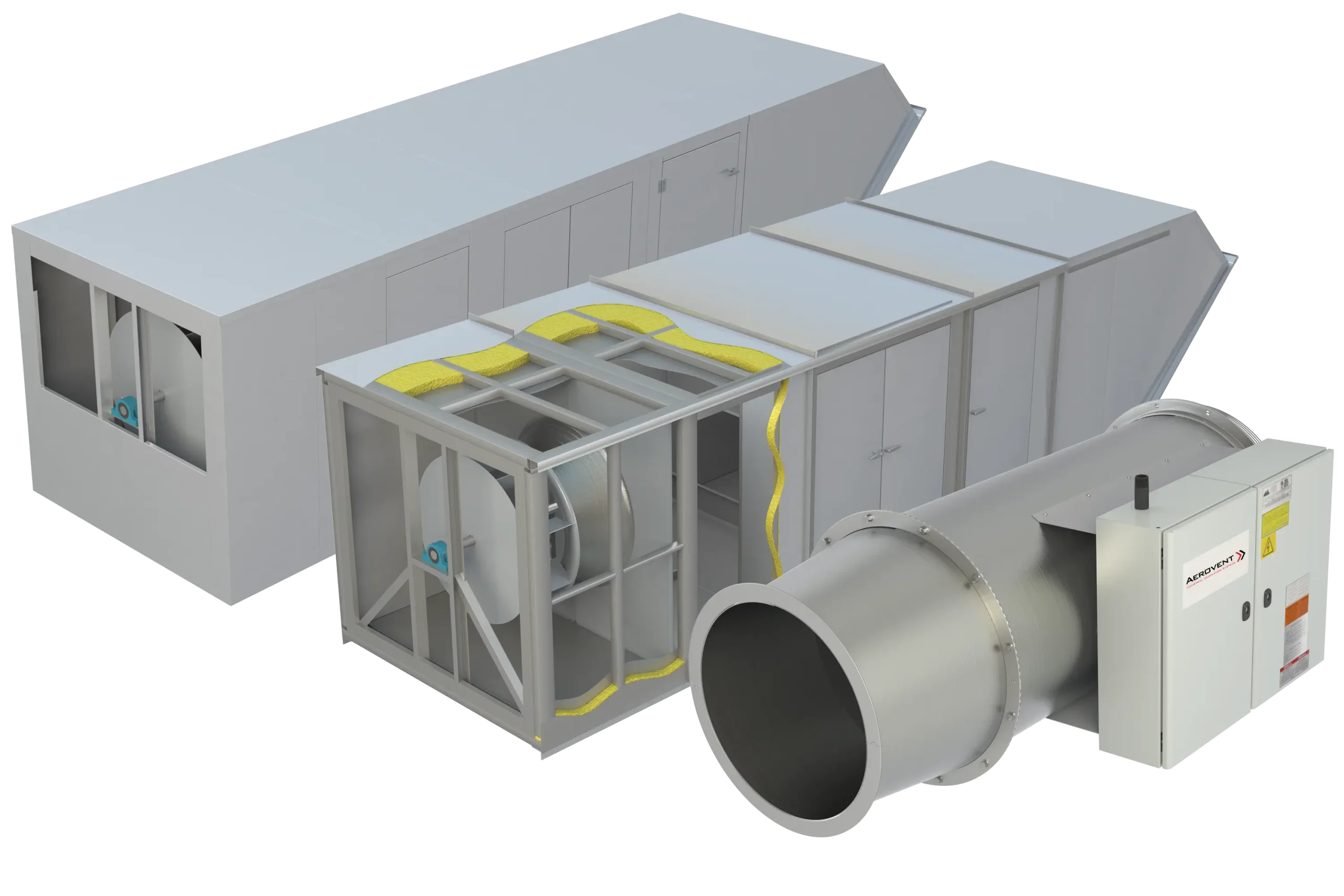



Did you know that the efficiency of your HVAC system relies heavily on the quality of its ductwork supplies? Whether you’re managing airflow in a commercial space or optimizing home ventilation, choosing the right materials and fittings is crucial for long-term performance. Understanding key components like sheet metal ducts, duct fittings, and proper venting supplies can make all the difference in air distribution and energy savings.
This article delves into the essentials of HVAC ductwork supplies, exploring durable materials, efficient fittings, and practical tips for selecting high-performance accessories. With insights that balance cost-effectiveness and system efficiency, you’ll gain the knowledge needed to upgrade or maintain your HVAC infrastructure with confidence.
Choosing the right HVAC ductwork supplies is essential for maximizing system efficiency, airflow performance, and cost-effectiveness. Below are key insights to help you select high-quality materials and fittings.
Understanding the qualities and roles of various HVAC ductwork supplies enables smarter choices for efficiency, safety, and long-term success. Explore these elements in detail to optimize your HVAC system performance.
Inefficient ductwork is a common hidden cause of elevated energy consumption, comfort complaints, and poor indoor air quality. While fan selection and chiller/boiler efficiency often receive attention, many systems underperform because of suboptimal choices in duct materials, fittings, and accessories. Excessive leakage, unnecessary turbulence, and poor thermal performance translate directly into higher fan power, increased ΔP, and difficulty meeting design airflow at terminal devices.
For HVAC engineers, facility managers, and contractors, the selection of HVAC ductwork supplies is therefore not just a procurement exercise. Material grade, duct type, and the quality of fittings determine how closely a real installation will match the design assumptions used in ASHRAE-based calculations and in system simulations. Durable, well-sealed ductwork with well-designed fittings maintains design airflow (CFM) at acceptable velocities and pressure drops, which improves energy efficiency and reduces operating issues over the life of the system.
From an engineering standpoint, optimized ductwork supports:
This article provides a structured framework for evaluating duct materials, fittings, and ventilation duct accessories, with the objective of improving air distribution efficiency, durability, and standards compliance in residential, commercial, and industrial projects.
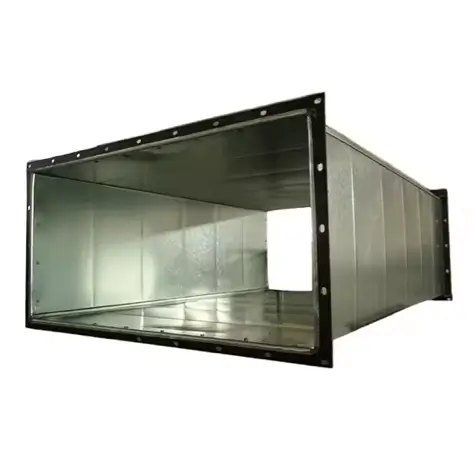
“Ductwork supplies” covers all materials and components required to construct, connect, support, control, and seal the air distribution network. This includes the duct bodies themselves (sheet metal, fiberglass, flexible, or plastic), plus the range of duct fittings, dampers, grilles, sealants, insulation, hangers, and access components that allow the system to function as specified in the mechanical design documents.
In design practice, the performance and reliability of a duct system are driven by a limited set of core parameters. Defining these clearly in project specifications helps ensure that site-installed ductwork matches the assumptions used in engineering calculations.
When specifying ductwork supplies, engineers typically address:
Each of these parameters affects airflow efficiency, structural integrity under pressure, and long-term system performance. For example, an underspecified gauge in a high-static-pressure riser can cause duct deformation, changing cross-section and increasing velocity and noise. Poor leakage class selection increases fan energy and complicates balancing.
A typical distribution system consists of a combination of duct types and accessories tailored to the building’s layout, pressure classes, and fire-safety requirements. Understanding how each component affects airflow and pressure drop allows more rational material-selection decisions.
The primary duct categories used in air distribution are rigid ducts (usually metal or duct board) and flexible ducts. Each type has strengths and limitations from a fluid-dynamics and constructability perspective.
| Duct Type | Common Materials | Typical Applications | Engineering Considerations |
|---|---|---|---|
| Sheet metal ducts | Galvanized steel, stainless steel, aluminum | Main trunks, risers, high-static-pressure runs | Low leakage potential, predictable friction factors, high durability; higher fabrication cost |
| Fiberglass duct board | Fiberglass with foil facing | Low-pressure residential/light commercial supply/return | Integrated insulation, lower structural strength, more sensitive to mechanical damage |
| Rigid plastic ducts | PVC, polypropylene | Corrosive or chemical-laden exhaust, some specialty ventilation | Chemical resistance, limited temperature range, different fire behavior and codes |
| Flexible ducts | Inner plastic liner with wire helix, external insulation | Short terminal connections to diffusers, constrained routing around obstacles | Higher friction and risk of kinks; needs controlled length and bend radius |
Metal sheet metal ducts remain the default choice for many commercial and industrial systems due to their predictable hydraulic performance and compatibility with SMACNA standards. In contrast, flexible ducts are typically limited to short connector runs because of their higher pressure drop per unit length and sensitivity to installation quality.
Duct fittings control how air is redirected, accelerated, or decelerated within the system. Poorly selected fittings can dominate total system pressure loss, even when straight-duct friction is low. Typical fittings include:
Where space allows, longer-radius elbows and smooth, tapered transitions are preferable. Sometimes, engineered components such as high-performance duct fittings with aerodynamic blade profiles are justified in higher-pressure or smoke-control applications to control both leakage and pressure loss.
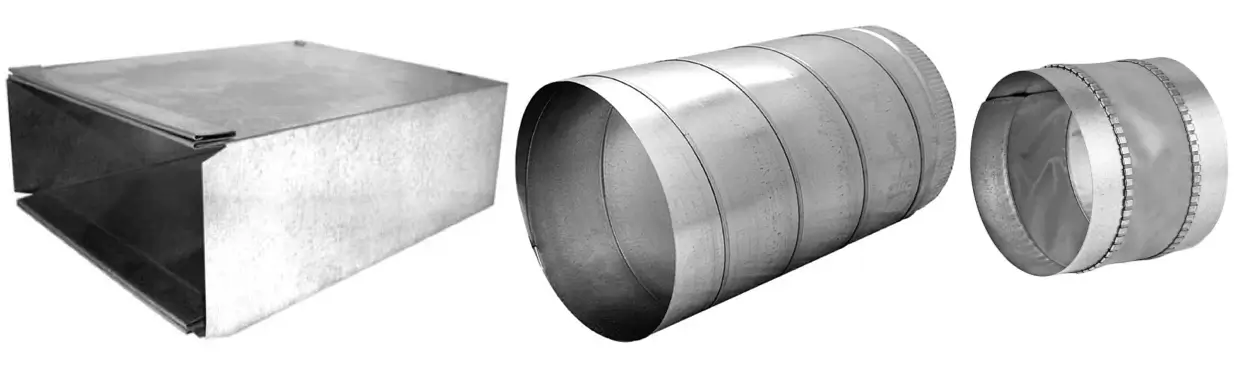
In addition to ducts and fittings, a range of accessories is required to maintain controllable and compliant air distribution:
Collectively, these ventilation duct accessories influence how closely operational performance aligns with the engineered design, particularly in terms of controllability, balancing, and code compliance.
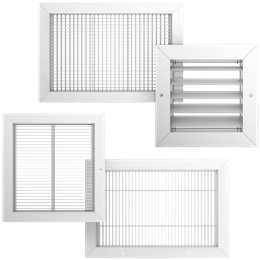
Selecting the appropriate duct material is a trade-off between structural requirements, environmental exposure, fire performance, weight, and total installed cost. The following table summarizes typical material choices and their implications.
| Material | Advantages | Limitations | Typical Use Cases |
|---|---|---|---|
| Galvanized steel | Good structural strength, well-supported by SMACNA standards, widely available | Susceptible to corrosion in aggressive environments, heavier than aluminum | General supply/return ducts in commercial and many industrial buildings |
| Stainless steel (304/316) | High corrosion resistance, suitable for washdown and some chemical exposures | Higher material and fabrication cost, heavier than aluminum | Food processing, laboratories, coastal or high-humidity environments |
| Aluminum | Lower weight, moderate corrosion resistance, easier handling | Higher material cost than galvanized, different joining requirements | Roof-mounted ducts, where weight reduction is beneficial |
| Fiberglass duct board | Integrated thermal/acoustic insulation, reduced condensation risk | Lower structural robustness, not suitable for high-pressure or mechanical abuse | Residential or light commercial low-pressure systems |
| PVC / plastic | Excellent chemical resistance, smooth interior surface | Flammability and smoke concerns, temperature limitations, code restrictions | Chemical exhaust, some industrial process ventilation |
For most commercial projects, galvanized steel remains the default due to its compatibility with common fabrication methods and predictable behavior under pressure. Stainless steel or plastic materials are introduced where environmental conditions justify higher material cost, such as corrosive or washdown environments.
The selection of flexible duct materials also requires attention. Inner liners must tolerate design temperatures and pressures without collapsing, and external jackets must resist tearing and UV (for exposed installations). The bend radius, maximum allowable length (commonly limited to 1.5–2.0 m per run in many quality-focused specifications), and installation method strongly affect actual pressure drop and airflow delivered to diffusers.
Ductwork supplies must match the environment in which they operate. The same duct material and fittings are not optimal for a residential attic, a high-rise office shaft, and a chemical process line. Considering environmental and building-type constraints early in design reduces change orders and ensures compliance.
In residential systems, operating pressures are typically low, duct sizes are smaller, and access is often restricted (ceilings, attics, crawlspaces). Cost sensitivity tends to be high, and systems are often installed in unconditioned spaces, increasing the importance of insulation and condensation control.
Common choices include:
Key engineering priorities are minimizing leakage (which directly affects delivered CFM and energy use), ensuring adequate insulation R-values, and maintaining reasonable velocities to avoid noise in bedrooms and living spaces.
In multi-story commercial buildings, static pressures, airflow rates, and diversity of occupancy increase. Ductwork often runs through congested ceiling plenums and shafts, interacting with structural elements, fire-rated partitions, and other services.
Typical characteristics include:
Designers must coordinate duct sizes and routes to stay within allowable shaft and ceiling heights while maintaining acceptable velocities and pressure drops. Material selection focuses on durability, moderate acoustics, and compliance with ASHRAE and local codes.
Industrial facilities add additional constraints: higher airflow rates, potentially higher temperatures, contaminants, and more demanding cleaning or inspection requirements. Heavy-duty HVAC ductwork supplies and engineered fittings are common in these contexts.
Examples include:
In such installations, compliance with NFPA standards, process safety standards, and industry-specific guidelines often takes precedence over first-cost optimization. Additional inspection and access points, as well as higher construction classes, are common to maintain structural integrity and facilitate maintenance.
Effective duct system design links equipment performance, duct sizing, pressure balancing, and material selection. Many issues observed in operation—excessive fan power, inability to meet design CFM at terminals, noise—are traceable back to early design decisions on duct diameters, fitting selections, and leakage expectations.
Duct sizing typically starts from required CFM at branches and terminals, with target air velocities chosen based on application type (e.g., 2–4 m/s in main office supply trunks, lower in noise-sensitive spaces). Using accepted friction-rate methods, designers select duct diameters to achieve a reasonable balance between initial duct cost and ongoing fan energy.
Key relationships include:
ASHRAE guidelines and SMACNA duct design data provide reference friction rates and equivalent lengths for different duct types and fittings. During design, it is essential to apply these data to the actual selected materials (e.g., flexible duct vs. smooth metal) because friction factors differ materially. Flexible ducts, if compressed or sharply bent, can show significantly higher ΔP than assumed, reducing delivered CFM at diffusers.
Site conditions often dictate deviations from the ideal straight runs and large-radius fittings used in textbook examples. Coordination with structural and architectural elements is therefore as much a performance issue as it is a constructability issue.
Critical installation considerations include:
Engineers should anticipate these constraints during layout and, where necessary, compensate with slightly larger duct sizes, improved fitting geometries, or strategically placed balancing devices. Clear installation notes and details help contractors understand which aspects of the design are critical to system efficiency.
Even a well-designed duct system will underperform if fabrication and installation quality are poor. Leakage and construction defects cause additional ΔP and require higher fan speeds or larger fans to compensate. This has direct energy and cost implications throughout the system life.
Core QA/QC measures include:
Leakage class has a major influence on required fan capacity. For example, specifying a tighter leakage class may increase fabrication and installation effort but lower required fan power and improve control in VAV systems. The optimal choice depends on system size, operating hours, and energy costs.
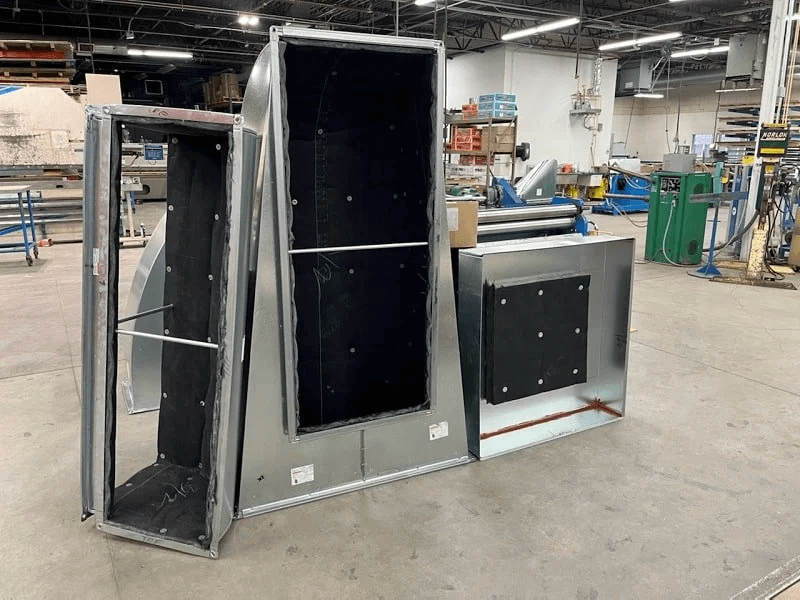
Understanding common failure modes helps engineers specify ductwork supplies and installation practices that reduce lifecycle risks. Failures typically manifest as performance degradation, safety issues, or maintenance problems.
Corrosion is a frequent cause of duct failure, especially in coastal regions, high-humidity areas, or where ducts carry contaminated air. Galvanized coatings can deteriorate over time, leading to thinning, leaks, and structural failure. Selecting stainless steel or coated materials for known aggressive environments, or incorporating protective coatings, mitigates this risk.
Fiberglass and plastic ducts can degrade under UV exposure or high temperatures beyond their ratings. Proper shielding, routing, and material specification reduce premature aging and unexpected mechanical failures.
Leakage often arises from poorly executed joints, inadequate sealants, or movement of ducts relative to supports. High leakage increases fan energy, reduces delivered CFM, and complicates balancing. In some cases, leakage into unconditioned spaces can create condensation and mold risks.
Best practices to reduce leakage include:
Substituting low-cost, sharp elbows for specified long-radius fittings, or using abrupt transitions, can significantly increase pressure drop. This elevates fan energy use and may prevent air from reaching distant zones. Over time, operators may respond by increasing fan speeds, which raises noise and further energy consumption.
Maintaining design intent for fittings—especially at fans, main trunks, and major branches—is therefore critical to preserving the calculated system performance.
From an engineering perspective, selecting HVAC ductwork supplies is a multi-criteria decision involving airflow performance, durability, compliance, and cost. The choices made at the material and component level directly influence long-term system efficiency and maintainability.
A practical decision framework involves the following steps:
For many projects, a combination of galvanized sheet metal trunks, carefully selected duct fittings, controlled use of flexible connectors, and robust sealing practices offers a favorable balance between first cost and lifecycle performance. In more demanding or specialized environments, upgraded materials and engineered accessories provide risk reduction and better long-term reliability.
Every project imposes unique constraints on ductwork design—space limitations, fire compartments, environmental exposures, and budget priorities. Aligning material selection and fitting design with these constraints is essential for achieving the intended performance of your HVAC system.
For project-specific guidance, it is advisable to compile:
With these inputs, experienced HVAC engineers and suppliers can help refine duct material specifications, validate fitting selections, and recommend appropriate HVAC supplies product categories that align with your project’s performance and compliance requirements.
To optimize your next ductwork installation, engage early with design and supply specialists who can evaluate your constraints, suggest suitable duct materials and accessories, and support QA/QC planning from design through commissioning.
Proper selection and specification of ductwork supplies play a pivotal role in achieving HVAC system efficiency, performance, and compliance. By focusing on material properties, fitting design, leakage control, and installation practices, engineers can ensure that the finished system aligns with design intent and operational requirements. Each decision, from material selection to QA/QC measures, directly impacts airflow integrity, energy consumption, and maintainability. Early collaboration with experienced professionals can streamline the design and procurement process, aligning project outcomes with performance, durability, and regulatory expectations.


