Need Specifications or a Quote?
Share your ventilation project requirements and our engineers will reply within 12 hours with technical specs, pricing, and lead time.
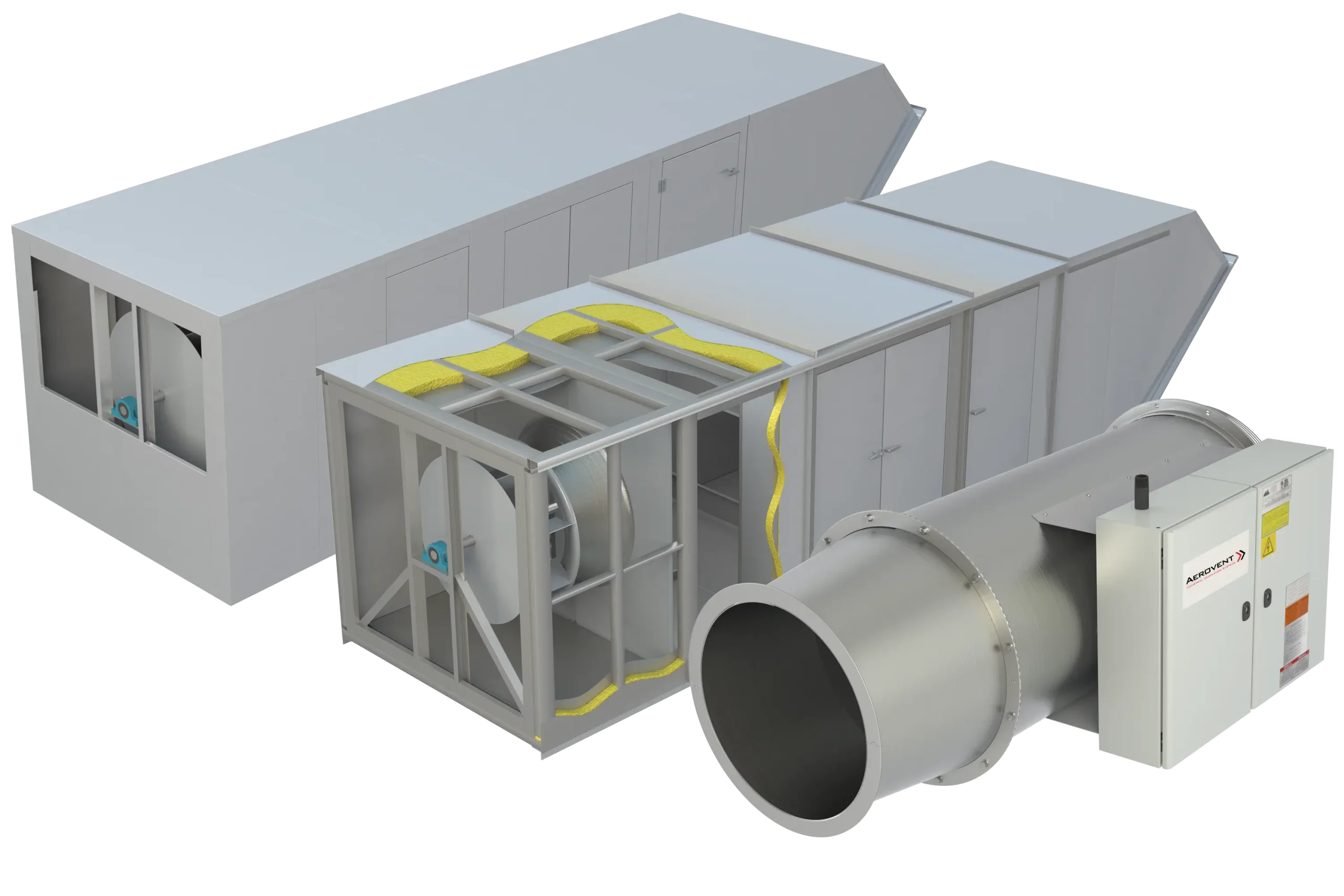



Did you know poorly insulated air ducts can waste up to 30% of heating and cooling energy, driving up utility bills and reducing HVAC efficiency? Air duct insulation offers a simple yet impactful solution to curbing energy loss, maintaining consistent indoor temperatures, and lowering long-term costs. But there’s more—beyond energy savings, proper insulation reduces noise transmission and extends the lifespan of your HVAC system.
Understanding how insulation air duct strategies improve thermal efficiency and combat common issues like condensation and heat transfer is key to achieving optimal performance from your system. Whether you’re insulating existing ducts or planning for new installations, the right approach not only boosts performance but ensures a quieter and more comfortable indoor environment. Let’s explore how smart insulation choices, from air duct insulation materials to effective installation techniques, can limit energy waste, control noise, and maximize savings for your home or business.
Proper insulation for air ducts plays a critical role in boosting energy efficiency, minimizing heat transfer, and reducing utility costs. However, beyond the commonly discussed energy and cost benefits, air duct insulation also delivers acoustic advantages, improving indoor comfort—particularly in noise-sensitive environments like home offices. Below are the key takeaways elaborating on the importance of air duct insulation and its comprehensive benefits.
Air duct insulation is a significant investment that not only yields measurable results in energy savings but also enhances overall comfort through temperature control and noise reduction. In the sections ahead, we’ll explore the types of insulation materials, installation best practices, and key factors to consider for improving HVAC performance.
Insulation for air ducts is one of the highest-impact, lowest-visibility upgrades you can make to an HVAC system. Whether you are a homeowner sealing up a drafty attic or a contractor optimizing a large commercial install, correctly specified and installed insulation air duct solutions can dramatically improve thermal efficiency, reduce energy spend, and stabilize comfort across zones.
Uninsulated or poorly insulated ductwork can lose 10–30% of conditioned air through heat transfer and leakage, especially when ducts run through unconditioned spaces such as attics, crawl spaces, and mechanical rooms. By adding properly rated HVAC duct insulation, it is common to see total HVAC energy use drop by 15–25% in residential systems and 10–18% in commercial buildings.
For a deeper understanding of how different duct types and layouts interact with insulation decisions, it is useful to first understand the underlying ductwork itself. Resources such as the HVAC duct comprehensive guide to types, sizes, and installation provide a strong foundation before moving into material selection and installation practices.
Once the duct configuration is clear, the next step is to examine how insulation controls heat transfer, prevents condensation, and supports quieter, more comfortable interiors.
Insulating air ducts affects performance across four main dimensions: energy efficiency, comfort, acoustics, and durability. Each of these dimensions directly influences operational costs and occupant satisfaction.
The primary role of insulation air duct strategies is to reduce unwanted heat transfer between the air flowing inside the duct and the surrounding environment. The higher the R-value (thermal resistance) of the insulation, the slower heat flows through the duct wall.
Field studies and utility data consistently show that:
Insulating ducts in unconditioned spaces typically reduces duct losses by 25–40%, depending on baseline leakage and insulation thickness.
Whole-home energy use for heating and cooling can drop by 10–20%, often translating to annual savings of $150–$400 for a typical single-family home.
In commercial projects, higher-efficiency duct insulation combined with proper sealing has delivered 15–20% HVAC energy savings, sometimes exceeding $50,000 per year in large facilities.
A mid-sized office building in a mixed climate, for example, upgraded its roof-level ductwork from uninsulated sheet metal to insulated double-wall duct with an effective R-8. Energy modeling indicated expected savings of 14%; after a year of operation, utility bills showed an actual 17% reduction in heating and cooling electricity consumption—about $82,000 annually—yielding a payback period under three years.
To understand how duct construction itself influences these savings, compare insulated and non-insulated options in the context of the guide on insulated ducting double wall vs. single wall, which explains how integral insulation can outperform add-on wraps when sized and installed correctly.
Uninsulated ducts often create hot and cold spots, especially at the ends of long runs or in rooms served by ducts passing through very hot attics or cold crawl spaces. By adding appropriate HVAC duct insulation, supply air arrives at registers much closer to its design temperature, allowing thermostats to operate within tighter tolerances.
Contractors frequently report that insulated duct retrofits eliminate complaints from occupants about “the room at the end of the hall” or “the corner office that never cools.” In a small multifamily building, upgrading attic ductwork to R-6 insulation reduced average temperature variation between apartments from 4–5°F to under 2°F, significantly lowering tenant comfort complaints.
One underappreciated advantage of air duct insulation is its role as acoustic insulation. Fibrous and flexible insulation around ducts helps absorb fan noise, turbulence, and cross-talk between rooms.
This is increasingly important as more people work from home and rely on quiet interiors for video conferencing and focused work. Properly insulated ducts can reduce perceived noise levels from HVAC systems by 3–10 dB in critical spaces such as home offices, bedrooms, and conference rooms.
Insulated flexible ducts between a central air handler and a home office can prevent the “whooshing” sound often heard during high fan speeds.
In commercial offices, lined or double-wall insulated ducts help block speech transmission between rooms sharing a common duct trunk.
To choose duct types that support both thermal and acoustic goals, review the air ducts options along with the flexible air duct guide, which highlights how flexible ducting and internal linings contribute to quieter systems when coupled with correct installation.
Where cold supply ducts run through warm, humid spaces, surface condensation is a serious risk. Water droplets can form on bare metal or inadequately insulated duct surfaces, potentially leading to staining, mold growth on nearby materials, and corrosion of the duct itself.
The combination of thermal resistance and a continuous vapor barrier is crucial here. The insulation keeps the duct surface above the dew point temperature of the surrounding air, while the vapor barrier prevents moisture-laden air from penetrating into the insulation layer.
Expert recommendation: In humid climates or whenever ducts carry chilled air through unconditioned spaces, always specify duct insulation with an integral
vapor barrier perm rating ≤ 0.05and ensure all seams are sealed with compatible vapor-tight tapes or mastics.
Thoughtful insulation design therefore not only saves energy but extends equipment life and preserves indoor air quality—setting the stage for informed choices about air duct material selection and insulation type.
Before examining specific air duct insulation materials, it is helpful to clarify three core technical concepts: R-value, heat transfer mechanisms, and vapor control.
R-value is a measure of a material’s resistance to heat flow. For duct insulation, higher R values mean better thermal performance and lower energy losses. Different jurisdictions and codes specify minimum R-values for ducts in unconditioned spaces, typically in the range of R-4.2 to R-8.
Guideline ranges often used by professionals include:
| Application | Typical Recommended R-Value | Notes |
|---|---|---|
| Interior ducts in conditioned spaces | R-2–R-4 | Often minimal insulation is required; focus on duct sealing. |
| Attic or unconditioned crawl space ducts (mild climates) | R-4.2–R-6 | Meets or exceeds many code baselines. |
| Attic ducts (hot or very cold climates) | R-6–R-8 | Higher R-values can reduce system losses by an additional 5–10%. |
| Commercial rooftop ducts | R-6–R-12 | Higher R-values often justified by long runtimes and large loads. |
When customers ask, “What R-value is best for duct insulation?” the most accurate answer is: match or exceed local code for unconditioned spaces, and consider upgrading one step (for example, from R-6 to R-8) in very hot or cold climates or for long duct runs with high load.
Heat moves via three pathways: conduction through materials, convection to surrounding air, and radiation from hot surfaces. Effective HVAC duct insulation addresses all three:
Conduction: Fiberglass, mineral wool, and foam layers reduce conductive heat flow through the duct wall.
Convection: Insulation slows the temperature rise of the duct surface, reducing convective warming or cooling of surrounding air.
Radiation: Foil-faced or shiny vapor barriers reflect a portion of radiant heat, especially in hot attics.
High-performance assemblies, such as double wall rectangular duct, integrate these layers into a compact duct product, minimizing both conduction and radiative gains or losses in a single engineered solution.
A vapor barrier is a low-permeability membrane placed on the warm side of insulation to prevent water vapor from migrating into the insulation. For cold air ducts in humid environments, the vapor barrier belongs on the exterior of the insulation.
Key parameters include:
Perm rating: Lower values indicate less vapor transmission. For duct insulation, perm ≤ 0.05 is common for foil or specialized jacketing.
Continuity: Joints and penetrations must be sealed with vapor-tight tapes or mastic to avoid localized condensation points.
When paired with high-quality spiral duct and fittings or rectangular duct and fittings, properly applied vapor-barriered insulation prevents moisture intrusion that could otherwise degrade both acoustical and thermal performance over time.
Selecting the right air duct insulation materials requires balancing thermal performance, acoustics, durability, and installation complexity. Different materials perform best in specific contexts, and understanding these nuances is central to designing an efficient, reliable system.
Fiberglass duct wrap is one of the most common solutions for metal ducts. It consists of a fiberglass blanket often faced with foil or reinforced kraft acting as a vapor barrier.
Typical characteristics include:
R-values: Approximately R-4.2 to R-8 depending on thickness.
Applications: Exterior insulation of sheet metal ducts in attics, basements, and mechanical rooms.
Advantages: Widely available, cost-effective, and relatively easy to install on accessible duct runs.
Limitations: Requires careful sealing of seams to maintain vapor barrier; can be damaged if not protected from impact or pests.
Fiberglass wraps are frequently specified for traditional rectangular ductwork, allowing installers to maintain designed duct sizes while achieving code-compliant R-values.
Mineral wool or rock wool insulation provides superior fire resistance and can handle higher temperatures than standard fiberglass. It is often used in industrial applications or where fire ratings are critical.
Characteristics include:
R-values: Similar to fiberglass per inch but with enhanced density and fire resistance.
Applications: Exhaust ducts, high-temperature process air, and ducts passing through fire-rated assemblies.
Advantages: Non-combustible, excellent sound absorption, and stable under high heat.
For projects where fire safety and acoustic performance are priorities, mineral wool paired with robust jacketing can provide both thermal and code compliance advantages.
Flexible duct assemblies often incorporate built-in insulation layers. A typical product consists of an inner plastic duct liner, a layer of fiberglass insulation, and an outer vapor-barrier jacket.
Key attributes:
R-values: Typically R-4.2 to R-8, depending on product specification.
Applications: Short runs from main trunks to diffusers, retrofits in tight spaces, and noise-sensitive branches.
Advantages: Integrated thermal and acoustic insulation; simplified installation with fewer separate materials.
Consideration: Airflow can be compromised by excessive bending, kinking, or compression of the insulation, so proper support and routing are essential.
To ensure proper selection and installation of these products, the flexible air duct guide provides detailed best practices and installation examples that help prevent common performance issues.
Rigid foam boards and elastomeric foam insulation are also used for ducts, particularly in chilled water and specialized HVAC applications.
Rigid foam boards (such as polyisocyanurate) can offer high R-value per inch and excellent vapor control when properly sealed at the joints. Elastomeric foam, typically supplied in sheet or tubular form, is flexible, closed-cell, and inherently vapor-retardant.
These materials are commonly selected when:
Space constraints demand high R-values in thin layers.
Moisture resistance is particularly critical, such as on exterior ductwork or near chilled water equipment.
When integrating rigid or elastomeric systems with metal ducts like those covered in the air duct material selection guide, careful planning is required to coordinate duct dimensions, support systems, and insulation thickness.
In addition to exterior wraps, some duct systems use internal acoustic linings to control noise and temperature. Double-wall ducts, for example, house a layer of fibrous insulation between an inner perforated liner and an outer solid shell.
Comparing external and internal approaches:
| Approach | Thermal Performance | Acoustic Benefit | Typical Use |
|---|---|---|---|
| External wrap | High; depends on thickness and continuity | Moderate; less direct sound absorption | Retrofits, accessible trunk lines |
| Internal lining | Moderate; often combined with external insulation as needed | High; absorbs fan and air turbulence noise | Commercial supply trunks, noise-sensitive spaces |
| Double-wall duct | High; integral insulation layer | High; inner perforated shell improves absorption | New commercial and high-spec residential projects |
For new construction, integrated solutions such as double wall rectangular duct can minimize installation steps and ensure consistent R-value and acoustic performance in a factory-engineered product.
High-quality duct insulation installation is just as important as good material selection. Even premium insulation can underperform if seams are left unsealed, insulation is compressed, or duct leakage is ignored.
Insulating ducts without addressing leakage is a missed opportunity. Before adding insulation:
Inspect for gaps and loose joints: Pay special attention to connections at plenums, takeoffs, and transitions. Use the guidance in the common air duct installation issues performance loss prevention resource to identify typical problem areas.
Seal with mastic or UL-listed foil tape: Apply duct mastic to seams and joints; use high-quality foil tape where appropriate. Avoid cloth-backed “duct tape,” which typically fails over time.
Verify airflow: For professional installations, measure static pressure and airflow to ensure the duct system is performing before insulation conceals joints.
Sealing leaks typically improves duct efficiency by 10–20% on its own. When combined with new insulation, total system improvements can reach 25–40% in poorly performing systems.
When wrapping sheet metal ducts, cut insulation to maintain its full thickness around the circumference without compressing or stretching it.
Avoid compression: Compressed insulation has a lower effective R-value. Maintain manufacturer-recommended thickness at corners and hangers.
Overlap seams: Longitudinal seams should overlap by at least 2 inches, and circumferential joints should be offset to avoid creating thermal bridges.
At duct hangers, consider adding protective saddles or wider supports to prevent insulation from being crushed, especially on larger rectangular ducts such as those supplied as rectangular duct and fittings.
Once positioned, insulation must be secured and sealed to preserve both its thermal and moisture-control properties.
Mechanical fastening: Use insulation hangers, mechanical bands, or approved wire to support insulation without cutting into the vapor barrier.
Tape and seal: Seal all longitudinal and circumferential jacket seams with compatible foil or vapor-barrier tape. Smooth out wrinkles to avoid pockets where condensation can form.
Terminate at fittings: Carefully insulate around fittings, access doors, and other penetrations. Seal all edges to maintain a continuous vapor barrier.
Warning: Gaps or unsealed seams in the vapor barrier are one of the most common causes of insulation failure and condensation problems on insulated ducts in humid climates.
By following these steps, contractors can ensure that the installed insulation performs close to its rated R-value over the long term, rather than degrading due to moisture ingress or physical damage.
Insulating flexible ducts is often part of the product design, but improper installation can reduce effectiveness:
Keep ducts stretched, not compressed: Compressed flexible ducts increase friction losses and reduce airflow, which can indirectly undermine comfort and efficiency.
Support frequently: Follow support spacing recommendations from the flexible air duct guide to prevent sagging that compresses insulation.
Seal inner liner and outer jacket: Use approved clamps and tapes to seal both layers at collars and registers.
When these installation principles are respected, flexible ducts can deliver reliable air distribution with built-in thermal and acoustic control, making them particularly suitable for retrofitting older homes where routing rigid ducts would be disruptive.
As homes and offices incorporate more remote workspaces, the demand for quieter HVAC systems has increased. Insulating air ducts plays a key role in creating these quieter environments.
Noise from HVAC systems typically originates from fans, air rushing through dampers and fittings, and vibration transmitted through duct walls. Insulation, especially fibrous or perforated-liner systems, attenuates noise in three ways:
Absorption: Fibrous materials convert sound energy into small amounts of heat, reducing reverberation within ducts.
Damping: Insulated duct walls are less prone to vibrate like a drum skin, reducing radiated noise into rooms.
Isolation: Flexible connectors and insulated boots help decouple mechanical equipment from rigid structures.
For example, an open-plan office that upgraded to lined ducts and well-insulated trunks experienced a 6–8 dB reduction in measured HVAC noise in key work areas, which employees reported as a noticeable improvement in speech clarity and concentration.
For noise-sensitive spaces, a combination of duct insulation and quiet equipment is ideal. When using fans such as axial fans in ventilation or make-up air systems, pairing them with insulated ducts and acoustically lined sections significantly reduces transmitted noise.
Specific strategies include:
Using double-wall ducts for supply trunks serving conference rooms or bedrooms, combining both thermal and acoustic insulation in a single assembly.
Specifying internally lined sections near air handlers to attenuate fan noise before it enters the branch ducts.
Routing ducts above corridors rather than directly over offices, using insulated branches to individual spaces.
In modern, high-performance homes, these measures contribute to a more tranquil interior environment while also enhancing energy performance and comfort, reinforcing the case for coordinated insulation and duct design.
Practical examples help quantify the benefits of investing in proper insulation air duct strategies.
A 2,400-square-foot home in a hot, humid climate had its supply ducts running entirely through a vented attic with only minimal, aging insulation. The system struggled to maintain setpoint on the hottest days, and energy bills averaged $260 per month in summer.
The retrofit plan included:
Sealing all metal duct joints and boots using mastic and foil tape, addressing many of the issues described in the common air duct installation issues performance loss prevention guide.
Adding new fiberglass wrap insulation to achieve approximately R-8 on all accessible trunk ducts and larger branches.
Total project cost was about $2,100, including labor. After one year, energy monitoring showed:
Cooling energy use reduced by 22% compared to the previous year, normalized for weather.
Average summer electric bills dropped by $57 per month, yielding a simple payback of just over three years.
Measured supply air temperature at distant registers increased by 4°F, significantly improving comfort in previously problematic rooms.
A new mid-rise office building incorporated an advanced duct design using a mix of spiral duct and fittings for exposed ceilings and double wall rectangular duct for concealed ceiling spaces. The design team prioritized both thermal performance and acoustic comfort.
Key design features included:
Main trunks sized for low pressure drop and lined with acoustic insulation inside double-wall sections.
Exterior wrap added to rooftop ducts to achieve effective R-12 in a cold climate zone.
Close coordination between duct sizing, air duct box guide selection, and insulation thickness to avoid conflicts with structural and architectural elements.
After occupancy, the building’s measured HVAC energy intensity was approximately 18% lower than a similar nearby office with traditional, minimally insulated rooftop ducts. Acoustic surveys showed that HVAC noise remained well below target criteria in open office and meeting areas, supporting the client’s goals for a high-comfort, high-productivity work environment.
When clients ask about the cost-effectiveness of duct insulation, it helps to think in terms of lifecycle rather than just first cost. Properly specified and installed insulation can last 20–30 years, especially when paired with durable duct products from reputable manufacturers such as those featured across BromingHvac resources.
Incremental costs to increase insulation from, for example, R-4.2 to R-8 are often modest—sometimes only a 10–20% material cost increase on the insulation itself. In climates with high cooling or heating loads, this upgrade can reduce HVAC energy use by an additional 5–10% compared with code-minimum designs.
For a commercial building with a $500,000 annual HVAC energy spend, that 5–10% improvement equates to $25,000–$50,000 per year in savings, easily offsetting the higher material cost within a short payback window.
Homeowners and specifiers often search for the “best insulation for air conditioning ducts.” In practice, the best choice depends on climate, duct location, and project constraints:
Attic or roof ducts in hot climates: High R-value fiberglass wrap or insulated double-wall ducts are typically most cost-effective.
Noise-sensitive residential spaces: Internally lined or double-wall ducts combined with flexible connectors provide both thermal and acoustic benefits.
Tight retrofit spaces: Insulated flexible ducts can be the best solution when rigid ductwork cannot be easily accessed.
Consulting product and design resources like the air duct material selection guide and the air ducts collection can help align material choice with specific performance targets and budget constraints.
Finally, thoughtful duct insulation design anticipates maintenance needs. Access panels, balancing dampers, and critical junctions should remain accessible without destroying large sections of insulation.
Label and map: Document duct runs and insulation types for future reference, particularly in commercial facilities.
Protect insulation: In mechanical rooms or exposed locations, consider protective jacketing to prevent accidental damage.
Review periodically: During routine HVAC inspections, verify that insulation remains intact and that vapor barriers have not been compromised.
By systematically combining high-quality HVAC duct insulation materials, proper duct insulation installation practices, and regular maintenance, homeowners and professionals can unlock substantial, durable improvements in efficiency, comfort, noise control, and sustainability across the full life of the HVAC system.
From energy savings to improved comfort and enhanced system durability, the importance of insulating air ducts cannot be overstated. The detailed discussion throughout the article has emphasized how high-quality air duct insulation and thoughtful installation practices dramatically enhance the performance of HVAC systems, whether for residential or commercial applications. Let’s consolidate the core takeaways and underscore their practical benefits.
Proper insulation of air ducts stands out as one of the most cost-effective ways to achieve energy efficiency. By preventing heat transfer and air leakage, both residential and commercial systems can witness energy usage reductions of 10–25%. This translates into substantial savings—whether it’s $150–$400 annually for a typical home or as high as $50,000 for larger facilities. Furthermore, improving the duct insulation R-value from baseline requirements, such as upgrading from R-6 to R-8, can yield even more significant savings over time.
Complementing these energy gains is the importance of sealing ducts beforehand. Ensuring proper sealing using solutions described in the common duct installation issues guide prevents pre-insulation leakage, enabling combined losses to be reduced by up to 25–40% in underperforming systems.
Insulated ducts play a pivotal role in eliminating temperature inconsistencies across zones, whether in sprawling office buildings or single-family homes. Factors such as R-values and installation practices ensure cooled or heated air reaches its intended destination without unwelcome losses. This improvement in comfort addresses frequent user complaints, such as uneven temperatures or hard-to-cool spaces, making insulation upgrades highly beneficial to occupant satisfaction.
Real-world cases underline these benefits: residential retrofits involving rectangular ducts with upgraded insulation have showcased measurable increases in register air temperature and homeowner comfort, even in challenging climates. Similarly, office environments supported by double-wall duct systems have demonstrated superior thermal and acoustical performance simultaneously.
Beyond temperature management, duct insulation significantly contributes to quieter indoor spaces by reducing equipment and air turbulence noise. Particularly in today’s work-from-home climate, achieving acoustic comfort is increasingly important. Insulated and internally lined ducts absorb fan noise and vibration, making spaces such as bedrooms, home offices, and conference rooms more conducive to focus and communication.
For noise-sensitive applications like these, solutions such as insulated air ducts, internally lined systems, or double-wall ducts offer superior results in mitigating unwanted sound transmission.
In humid climates, preventing condensation on duct surfaces is a critical design goal. By pairing insulation with vapor barriers with perm ≤ 0.05, surfaces stay above dew point temperatures, protecting ducts from corrosion and averting mold growth. The integration of moisture-resistant insulation types, such as elastomeric foam or correctly sealed fiberglass wraps, ensures long-lasting system longevity and helps maintain indoor air quality. Thoughtful sealing around critical fittings is further outlined in the air duct material selection guide, presenting effective solutions.
Ultimately, the decision to invest in duct insulation is one that balances initial costs against decades of savings, improved performance, and reduced maintenance concerns. Resources like the flexible air duct guide and spiral duct and fittings collection provide pathways towards selecting the best materials for specific applications—whether handling tight spaces or extreme climates.
Moreover, by pairing insulation strategies with durable air duct products found at Broming HVAC, building owners and contractors can affordably maximize efficiency and comfort while planning for decades of enhanced performance.
The insights and best practices discussed in this article underline the role of insulation as a core component of any high-performance HVAC system. From boosting thermal efficiency to ensuring quieter and more comfortable indoor environments, investing in proper air duct insulation benefits not just energy bills but also occupant experience, system reliability, and environmental sustainability. By embracing these practices, you make a long-term commitment to energy savings, comfort, and reducing your overall carbon footprint.
Whether you are undertaking a home retrofit or spearheading a commercial project, now is the time to consider upgrading your HVAC systems with industry-best insulation solutions. Let resources like Broming HVAC’s air duct equipment or the material selection guide guide your product and design choices. The rewards of optimized air distribution are clear—and they begin the moment you take action.


