Need Specifications or a Quote?
Share your ventilation project requirements and our engineers will reply within 12 hours with technical specs, pricing, and lead time.
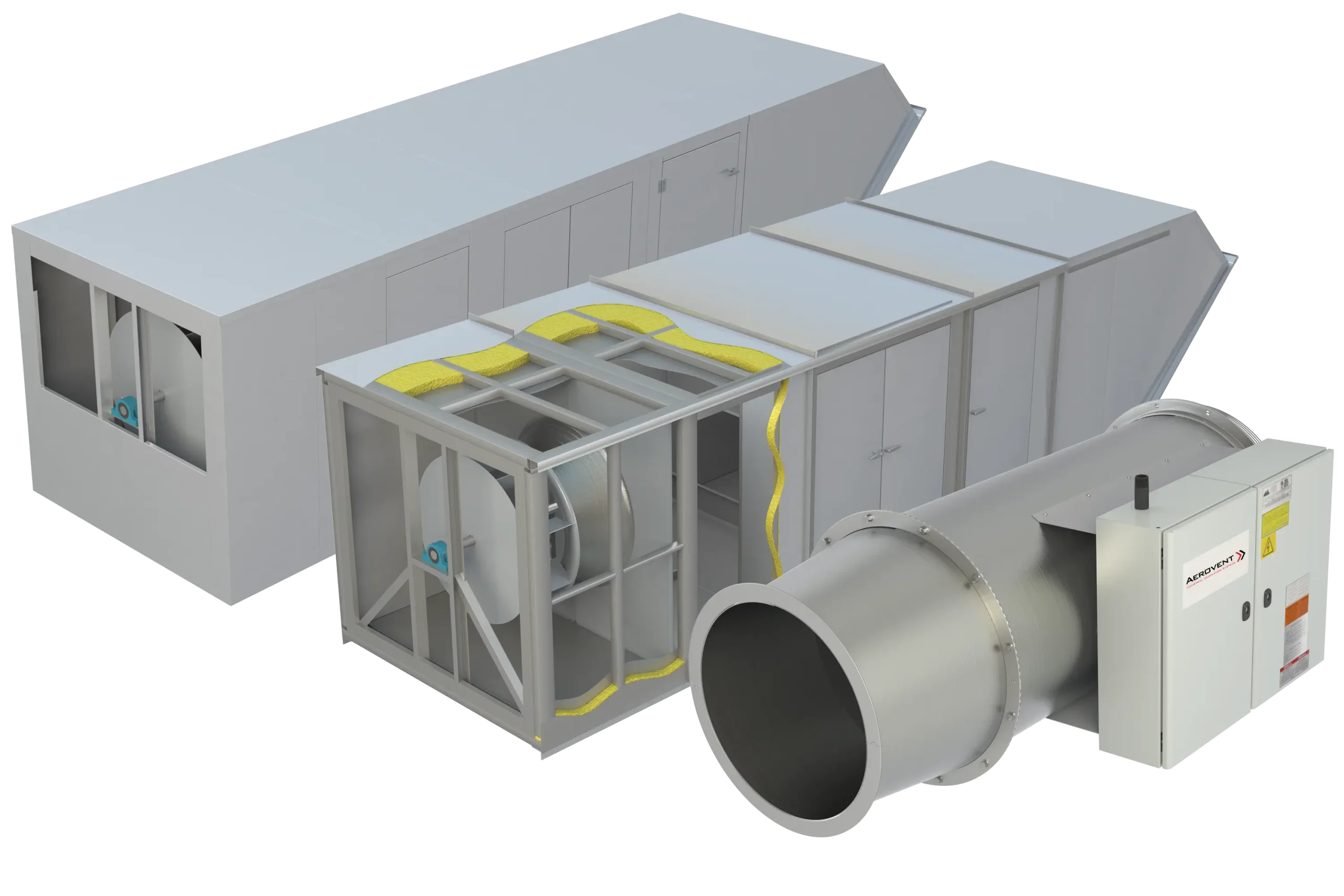



The choice of air duct material directly affects system durability, airflow performance, maintenance requirements, hygiene control, and long-term operational cost. While duct shape and layout determine how air is distributed, the material determines how the system withstands real-world environmental conditions.
In many commercial and industrial projects, duct material is selected based on price alone. However, the cheapest initial option may not be the best long-term solution if the operating environment includes humidity, corrosive air contaminants, or strict sanitation requirements. To make an informed choice, it is necessary to understand the characteristics of commonly used duct materials and how they behave in different environments.
Air duct systems are typically fabricated from sheet metal using three primary material categories:
In addition to these, insulated and double-wall duct constructions are used where thermal control or noise reduction is required. See example: Double Wall Rectangular Duct.
For general product category reference: Air Duct Systems.
Galvanized steel ducts are the most commonly used duct type in commercial HVAC systems. The steel sheet is coated with a protective layer of zinc to reduce oxidation and rust, making it suitable for general indoor environments with stable temperature and humidity levels.
For rectangular configurations: Rectangular Duct and Fittings
For round spiral configurations: Spiral Duct and Fittings
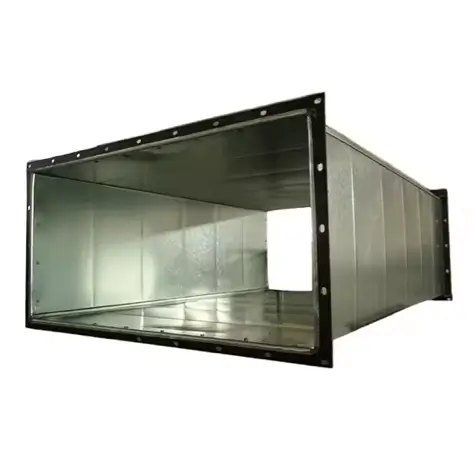
Stainless steel ducting is selected when durability, hygiene, chemical resistance, or long-term cleanliness is a priority. Although stainless steel has a higher upfront cost than galvanized steel, it delivers longer service life and lower maintenance needs when installed in demanding environments.
| Property | 304 Stainless Steel | 316 Stainless Steel |
|---|---|---|
| Corrosion Resistance | Good for standard indoor conditions | Superior resistance to chemical/industrial vapors and saline air |
| Typical Applications | Hospitals, food processing, clean labs | Marine, coastal buildings, chemical plants |
| Cost | Moderate | Higher due to alloy composition |
For custom dimensions, transitions, and geometry-adapted routing: Custom Metal Fabrication
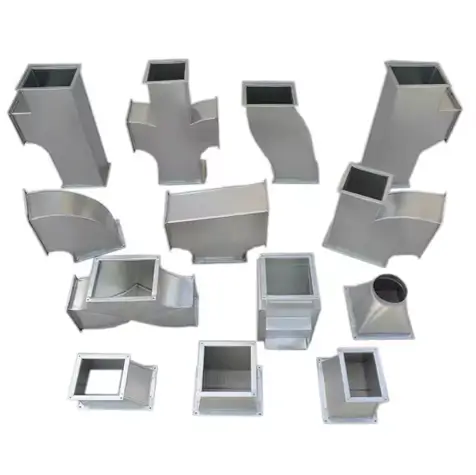
Aluminum ducting is used when weight reduction or specific corrosion resistance is required. While aluminum provides excellent protection against environmental oxidization, its mechanical stiffness is lower than steel, which must be considered during design.
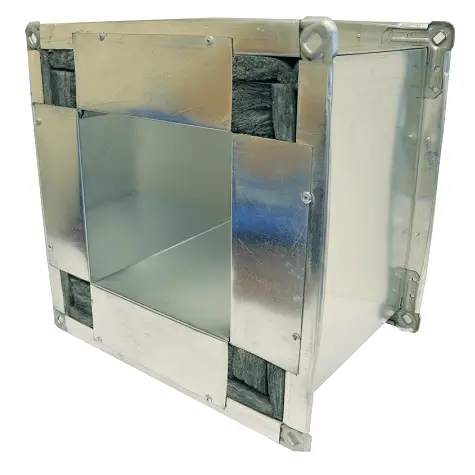
Insulated and double-wall ducting is used to prevent heat loss, eliminate condensation, and reduce sound transmission. A double-wall duct typically includes:
This configuration helps control supply air temperature and maintain acoustic performance in theaters, hotels, office corridors, and cold air transport systems.
Reference: Double Wall Rectangular Duct
The initial cost of duct material does not reflect the total lifecycle cost. When selecting material, consider:
The building environment significantly influences the correct material choice:
| Condition | Recommended Material | Reason |
|---|---|---|
| High humidity or HVAC in wet areas | Stainless Steel (304/316) | Resists moisture corrosion |
| Coastal / marine air | 316 Stainless or Aluminum | Resists salt-induced oxidization |
| Industrial chemical vapors | 316 Stainless Steel | High chemical corrosion resistance |
| Standard commercial office / retail | Galvanized Steel | Cost-effective and stable |
Use the decision matrix below to guide selection:
| Environment | Temperature / Humidity | Corrosion Exposure | Recommended Material |
|---|---|---|---|
| Hospital Sterile Areas | Controlled | Low | Stainless Steel 304 |
| Pharmaceutical Factory | Controlled | Medium | Stainless Steel 316 |
| Commercial Office Building | Standard | Low | Galvanized Steel |
| Coastal Hotel / Resort | High Humidity | Salt Air | Aluminum or Stainless Steel 316 |
Uses stainless steel ducting for sanitary control and disinfectant resistance.
Generally uses a combination of rectangular main ducts and spiral branch ducts for space efficiency and airflow balance.
Uses galvanized steel ducts with proper coating to withstand moisture and exhaust contaminants.
Uses aluminum or 316 stainless steel to resist corrosion from salt-laden air.
Selecting the right duct material is a balance between environmental conditions, structural requirements, hygiene considerations, and long-term maintenance expectations. Galvanized steel suits most commercial installations, stainless steel is required in hygienic or corrosive conditions, and aluminum is ideal where weight reduction or coastal exposure is a factor. Understanding how each material performs in real project environments supports better HVAC system reliability and lifecycle performance.
If you have project drawings, duct specifications, or environmental requirements, our engineering team can assist with selecting appropriate duct materials and fabrication options.


