Need Specifications or a Quote?
Share your ventilation project requirements and our engineers will reply within 12 hours with technical specs, pricing, and lead time.
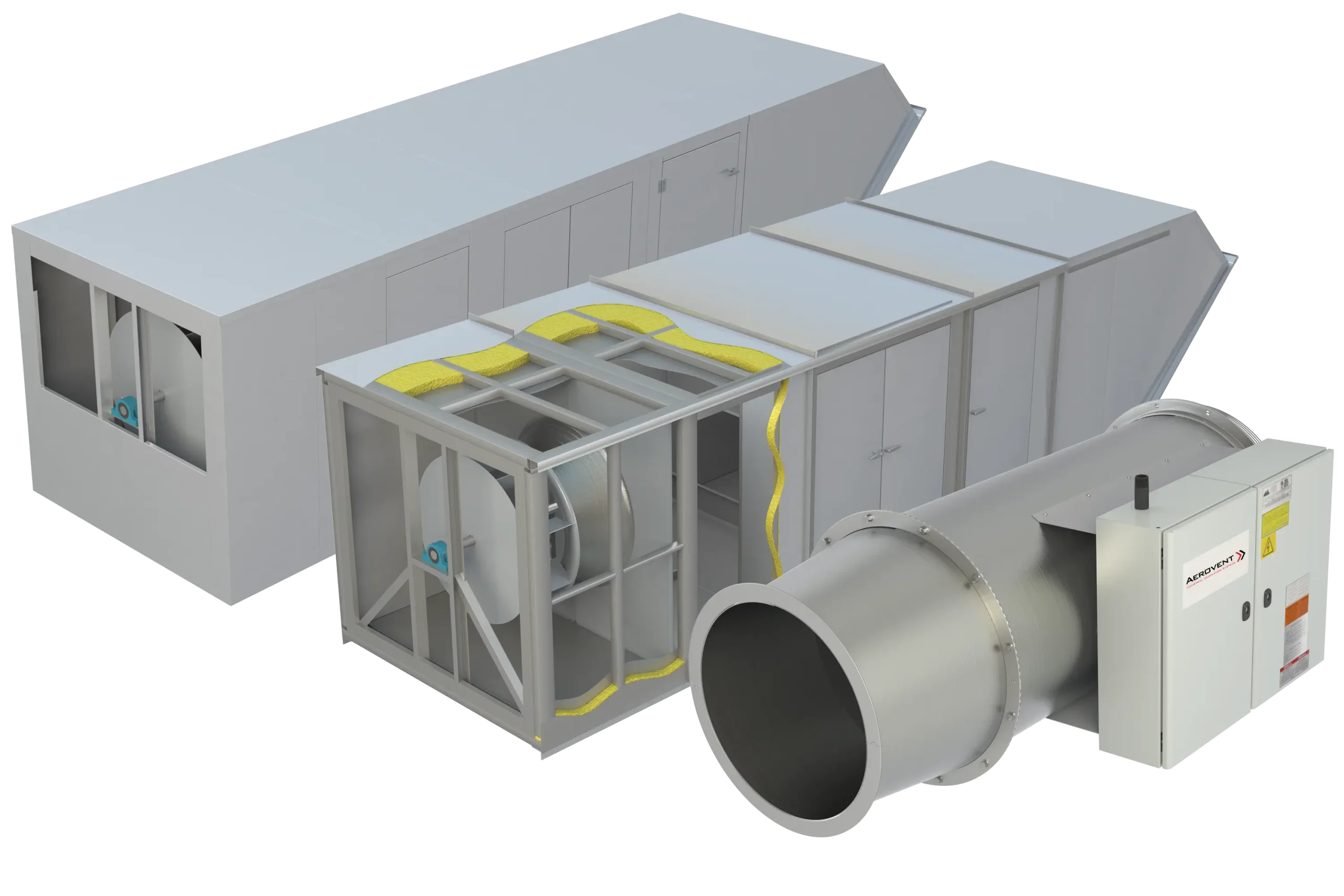



Air duct leakage is one of the most common efficiency issues found in commercial and industrial HVAC systems. When air escapes through joints, seams, flange connections, access openings, and unsealed penetrations, the actual delivered airflow to occupied spaces can drop significantly. To compensate, fans must operate at higher static pressure, increasing energy consumption, system noise, and long-term mechanical stress.
Studies in large commercial buildings show that leakage may account for 10–40% of total ventilation energy loss when duct sealing practices are not properly implemented. This makes leakage control one of the most cost-effective improvements in HVAC system performance.
Air duct leakage refers to unintended air loss through the duct system before the air reaches supply outlets or returns to the ventilation unit. Leakage differs from designed airflow distribution elements such as diffusers, return grilles, and ventilation terminals.
Leakage can occur at:
Reference system overview: Air Duct Systems.
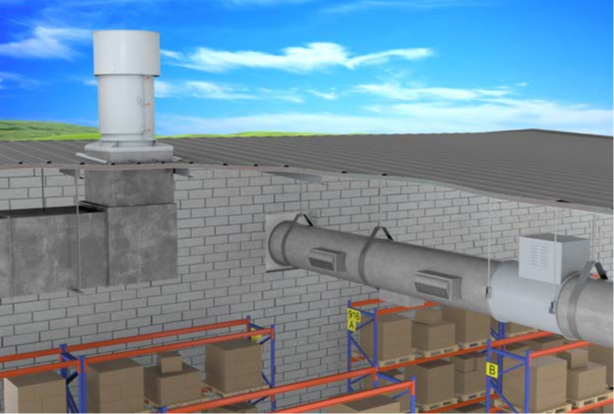
Duct leakage is categorized into performance classes based on maximum permissible leakage per unit surface area of the duct. While individual standards vary between regions, the relationship remains consistent: higher class = lower permissible leakage.
| Leakage Class | Typical Application | Interpretation |
|---|---|---|
| Class A | Low-pressure residential or basic ventilation | High leakage allowed, minimal sealing effort |
| Class B | Commercial and mixed-use buildings | Moderate leakage, basic seam sealing required |
| Class C | High-performance HVAC, hospitals, retail, public buildings | Low leakage, requires systematic sealant application |
| Class D | Critical containment or cleanroom ventilation | Very low leakage, precision sealing and gasket systems needed |
In practice, most well-designed commercial HVAC systems aim for Class C. Hospitals, laboratories, and pharmaceutical environments may require Class D leakage control.
Duct leakage is not determined only by materials. It is the cumulative result of design, fabrication, and installation quality.
Rectangular ducts require more joints than round spiral ducts, increasing potential leakage points.
Rectangular reference: Rectangular Duct and Fittings
Spiral reference: Spiral Duct and Fittings
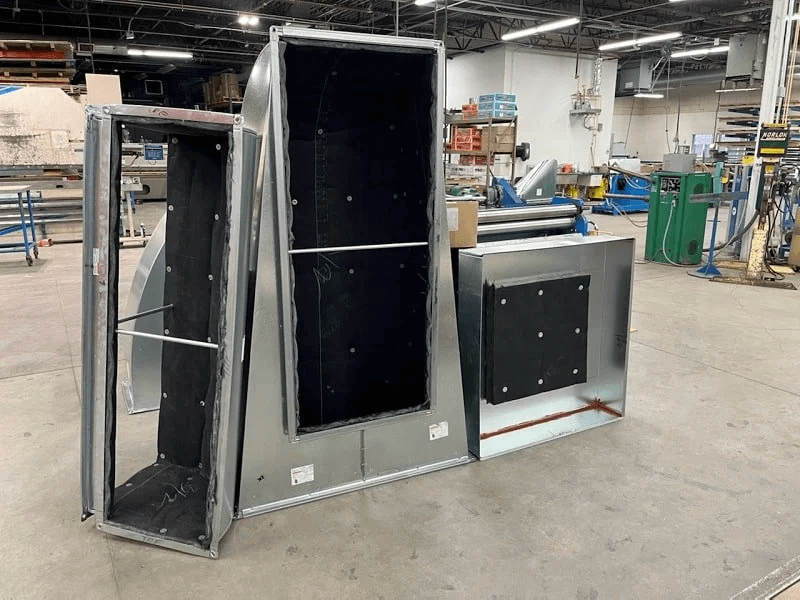
Duct sealing involves selecting the correct sealing material for the operating temperature, pressure, and environment. An effective sealing system should be durable, cleanly applied, and compatible with the duct material.
In zones with fire code requirements, fire-rated sealants are required to maintain rated smoke and fire control performance.
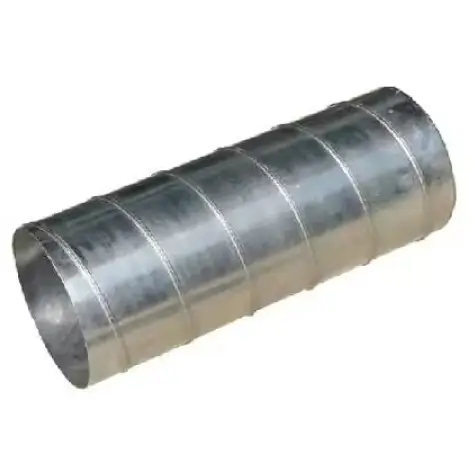
Spiral ducts generally exhibit lower leakage levels because the spiral seam structure reduces the number of transverse joints.
See structural configurations:
Rectangular duct profiles
Spiral duct configurations
Leakage testing is used to confirm whether installed ductwork meets the specified leakage class. Testing is typically performed in isolated duct sections under controlled static pressure.
Acceptance thresholds vary by region but generally correspond to leakage class tables. For commercial systems, leakage must meet or exceed Class C to avoid excessive energy waste.
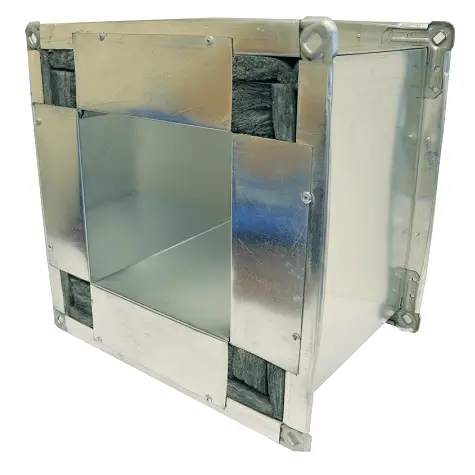
Double-wall duct systems help stabilize internal temperature, reduce condensation risk, and improve acoustic properties. They also naturally improve leakage control when fabricated correctly.
Reference: Double Wall Rectangular Duct
Run long horizontal trunks → Recommend Spiral Ducts for leakage efficiency and stable airflow.
High hygiene → Stainless Steel Ducting + Class C/D sealing.
Humidity and exhaust gases → GI ducts with coating + Class B sealing.
Chemical exposure → 316 Stainless Steel + Class C sealing minimum.
Sealing quality directly impacts long-term cost:
Leakage control is one of the most effective lifecycle cost reduction strategies in HVAC systems.
Duct leakage has a direct impact on airflow performance, energy efficiency, noise, and long-term reliability. By understanding leakage classes, selecting suitable sealing materials, and applying consistent installation practices, HVAC systems can achieve stable performance and lower operational cost.
If you have duct layout drawings, specifications, or performance requirements, our engineering team can assist with leakage control planning and material selection.


