Need Specifications or a Quote?
Share your ventilation project requirements and our engineers will reply within 12 hours with technical specs, pricing, and lead time.
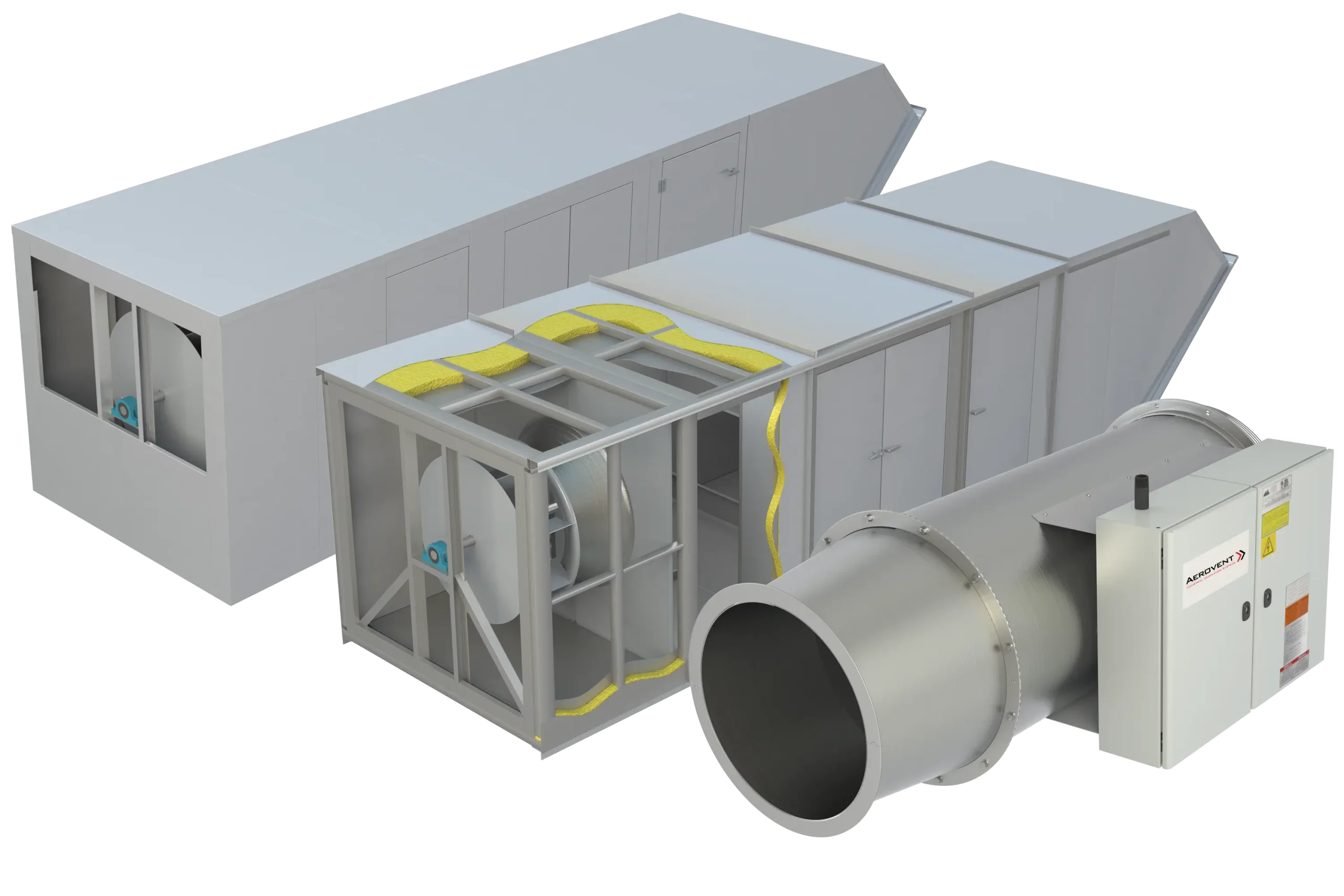



HVAC efficiency is now a baseline requirement for regulatory compliance and operational profitability. Engineers and facility managers face ongoing challenges with traditional rectangular ductwork. Air leakage and excessive turbulence drain energy and drive up costs. Spiral duct grilles offer a streamlined approach to air distribution. These components maximize flow while minimizing waste.
Precision-engineered spiral duct grilles solve the final stage of ventilation efficiency. They direct air while stabilizing internal system pressure. This reduces the load on air handling units. This guide explores the technical advantages of spiral systems. You’ll see how aluminum duct vs galvanized steel performs over time. You’ll also get a roadmap for optimizing airflow in commercial and industrial spaces.
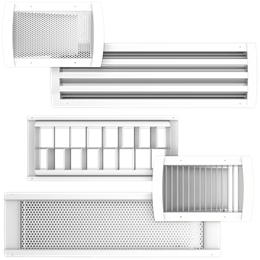
Spiral duct grilles are specialized air distribution interfaces. They mount directly onto the curvature of circular or spiral ductwork. These grilles feature a contoured frame for a flush, airtight fit. This design maintains duct integrity and prevents the whistling sound from poor seals.
The core engineering principle focuses on promoting laminar flow. In a circular system, air moves with a more uniform velocity profile than in rectangular ducts with turbulent corners. The air grille serves as the final control point. Fixed or adjustable vanes disperse air into a space with minimal resistance.
These grilles are classified by material composition and functional design. Common variations include:
The choice between aluminum and galvanized steel affects the grille’s weight, corrosion resistance, and appearance. Perforated faces work well for high-volume, low-velocity environments. Heavy-duty industrial models withstand high-pressure air bursts without vibrating or warping.
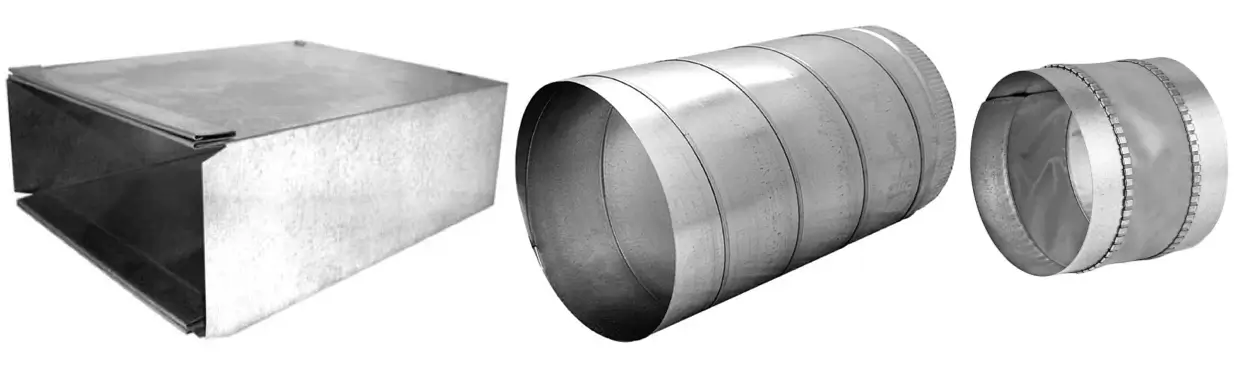
Aluminum offers an exceptional strength-to-weight ratio. Natural corrosion resistance makes aluminum the preferred choice for high humidity or chemical exposure. Think laboratories or coastal facilities. Aluminum’s reflectivity helps maintain air temperature as air travels through the system.
The initial material cost of an aluminum air grille or duct exceeds steel. The long-term ROI comes from reduced structural support requirements and lower maintenance. Aluminum doesn’t require the same protective coatings as steel. There’s no risk of finish degradation over decades of service.
Galvanized steel remains the industry standard for large-scale industrial applications. Superior rigidity and impact resistance make steel the go-to choice. The zinc coating provides a sacrificial layer protecting the underlying steel from oxidation. Galvanized steel is more cost-effective for large-format projects.
When analyzing aluminum duct vs galvanized performance, steel excels in high-pressure systems where duct wall deflection must be minimized. Steel is significantly heavier than aluminum. You’ll need more robust hanging hardware and increased labor during installation.
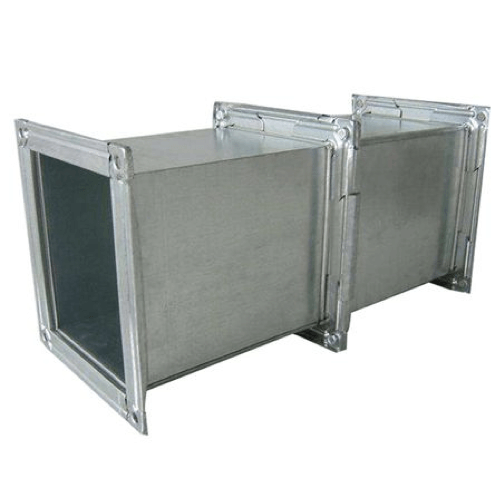
Spiral systems reduce pressure loss significantly. A circular cross-section provides the maximum area with the minimum perimeter. This reduces friction between air and duct wall. Research shows transitioning to spiral duct grilles reduces system-wide energy consumption by up to 30%.
Precision-fit grilles eliminate gaps to further optimize efficiency. These systems often achieve air leakage rates of less than 1%. The fan energy required to maintain desired CFM levels drops. This directly translates to reduced utility costs and a smaller carbon footprint for the building.
Acoustic performance matters in commercial office spaces and educational environments. Rectangular ducts are prone to “oil canning”—a popping sound caused by pressure changes. Air turbulence at corners creates additional noise. Spiral ducts are inherently quieter due to their geometry. The spiral seam acts as a reinforcing rib.
The design of spiral duct grilles plays a role in sound attenuation. Smooth, aerodynamically shaped vanes prevent the generation of “self-noise” as air passes through. Spiral systems often register 5–10 dB lower than rectangular counterparts at the same air velocity.
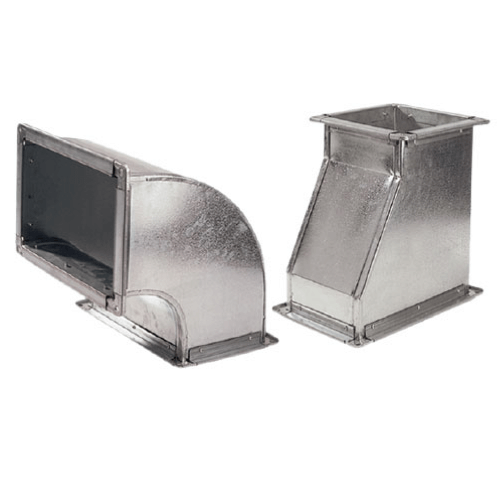
HVAC upgrade success depends on precision at the installation stage. Site assessments should focus on the exact diameter of the spiral duct. The grille frame must match the curvature perfectly.
Most facility managers focus on filter changes. They overlook how material oxidation affects internal duct friction. Over time, galvanized steel develops microscopic surface roughness as the zinc layer reacts with moisture. Aluminum maintains a smoother internal surface longer.
Cleaning protocols for spiral systems are simpler. There are no corners for dust and microbial growth to accumulate. Annual inspections should include checking the tension of grille mounting screws. Verify the adjustable vanes haven’t drifted due to system vibration.
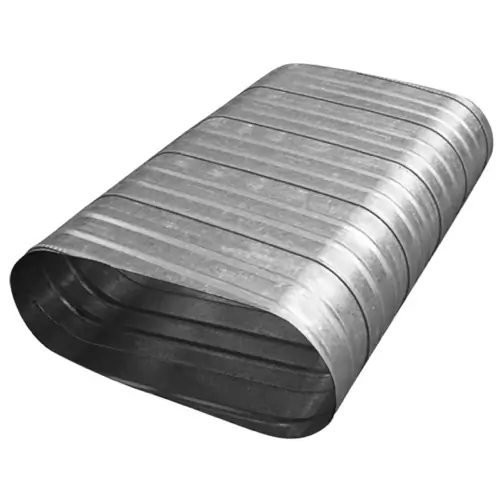
In high-ceiling environments like warehouses or modern open-ceiling offices, spiral ductwork is often left exposed as an architectural feature. The aesthetic quality of the air grille becomes as important as performance.
A 60,000 sq. ft. retail fulfillment center replaced aging rectangular ductwork with a galvanized spiral system. The upgrade resulted in a 22% reduction in fan energy. Thermal consistency improved across the floor. The facility saves approximately $14,000 annually in energy costs.
Spiral duct grilles contribute directly to LEED and BREEAM certifications. By optimizing airflow dynamics, these systems allow for downsizing air handling units (AHUs). This reduces the embodied carbon of the mechanical system. Both aluminum and galvanized steel are highly recyclable. This aligns with circular economy goals in modern construction.
The transition toward spiral duct grilles represents a move toward engineering precision. By minimizing pressure drops, reducing noise, and eliminating leakage, these systems offer performance traditional rectangular ducts cannot match. Choose the corrosion resistance of aluminum or the robust durability of galvanized steel. Either way, the investment in high-quality air distribution components pays dividends in energy savings and occupant comfort.
Building standards continue to tighten regarding energy performance. Optimized ventilation becomes central to facility management. Integrating spiral technology is a strategic commitment to operational excellence and long-term sustainability.


