Need Specifications or a Quote?
Share your ventilation project requirements and our engineers will reply within 12 hours with technical specs, pricing, and lead time.
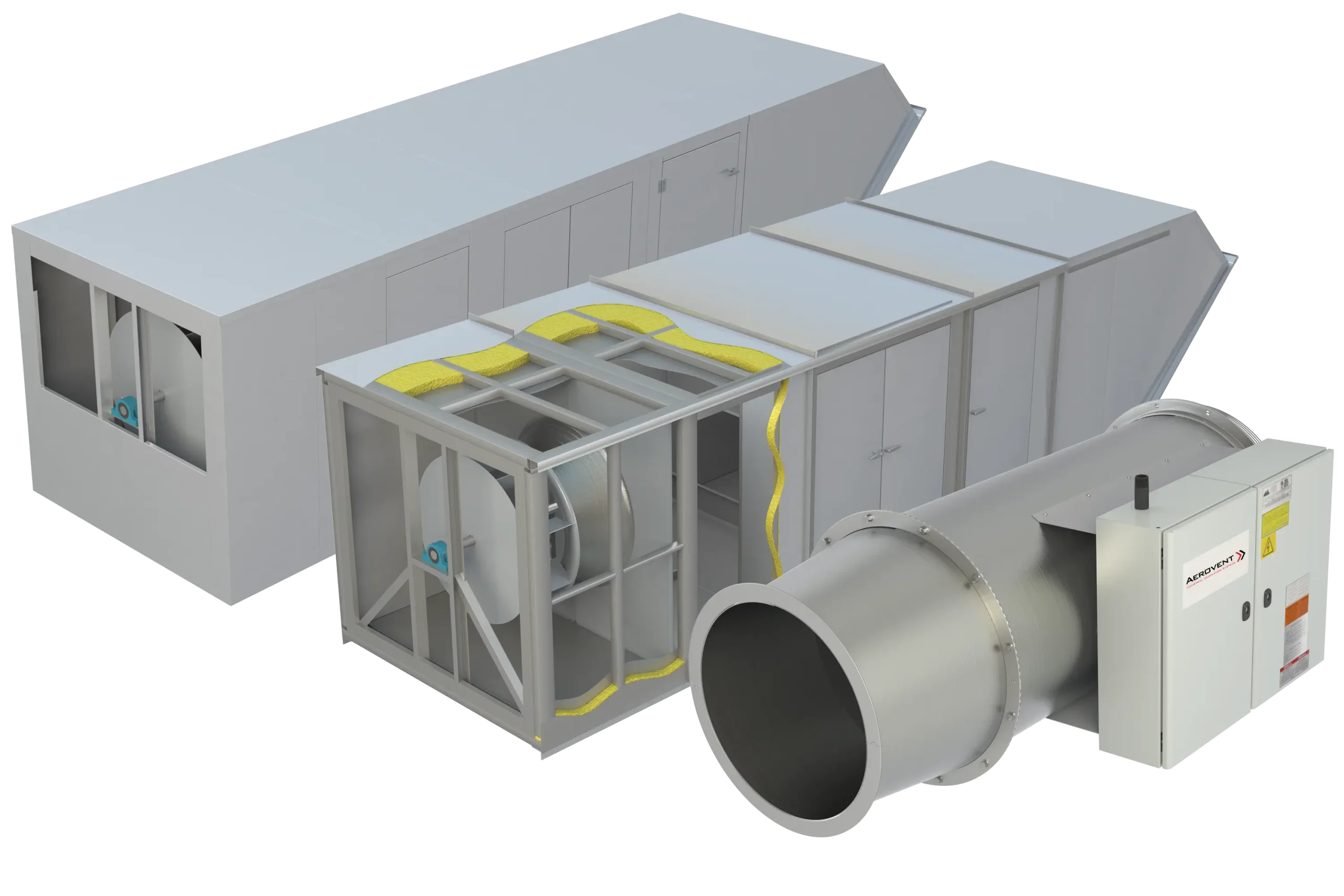



Air ducts serve as the veins of any HVAC system, facilitating the flow of air that ensures comfort, proper ventilation, and energy efficiency. Yet, not all air ducts are created equal. The material, design, and construction of your air duct system can significantly impact its durability, performance, and cost-effectiveness. From selecting between rigid sheet metal and flexible ductwork to understanding insulation requirements, choosing the right air ducts is integral to the overall functionality of your HVAC system.
For both residential and commercial spaces, the stakes are high when it comes to optimizing air delivery. A well-designed air duct system not only improves energy efficiency but also minimizes maintenance requirements and supports smart HVAC technologies. Whether you’re installing a new system or upgrading an existing one, understanding the types of air ducts available can help you make an informed decision that balances cost, durability, and performance.
In this guide, we’ll explore the materials shaping modern HVAC air duct systems, compare flexible and rigid ductwork designs, and discuss how insulation and smart integrations can enhance efficiency. Whether you’re tackling residential layouts or commercial scale projects, this comprehensive overview will arm you with the knowledge to select the ideal duct type for your needs. Let’s dive in.
Air ducts are the lifelines of HVAC systems, playing a crucial role in ventilation, temperature control, and energy efficiency. Selecting the right type of air duct requires an understanding of materials, design, durability, and efficiency. Below are the key takeaways to help you navigate the nuances of choosing the best air duct system for your needs.
Understanding the different types of air ducts and their unique applications can help optimize HVAC performance, energy efficiency, and long-term cost savings. In the sections ahead, we’ll dive further into the materials, designs, and technologies shaping modern air duct systems.
Galvanized steel is the benchmark material for commercial and many residential air duct systems. Steel sheet is coated with zinc to resist corrosion, then formed into rectangular or round sections. For most engineered projects, this is the default choice for long main runs and high-static-pressure applications.
Typical galvanized steel duct thickness ranges from 30 gauge (light residential) to 16 gauge (heavy commercial). In practice, 24–26 gauge is common in homes, while 18–22 gauge serves larger commercial projects. Precision fabrication is critical; resources such as the sheet metal duct fabrication process guide are often used to standardize quality and tolerances.
Sheet metal ducts offer low air resistance, excellent structural integrity, and predictable performance. They can be engineered to meet SMACNA and ASHRAE standards and are compatible with advanced building management systems that depend on accurate airflow modeling and control.
Aluminum ducts are lighter than steel and highly corrosion-resistant. They are often deployed in coastal buildings, high-humidity environments, and specialized facilities where weight and corrosion are critical constraints, such as rooftop packaged units or aerospace facilities. Aluminum’s thermal conductivity is high, so external insulation is nearly always required to minimize heat gain or loss.
In many projects, aluminum duct sections are specified where structural loading is constrained (e.g., suspended ceilings with limited allowable dead load), while galvanized steel is used for lower floors. The lighter weight reduces installation labor in hard-to-reach locations, but material costs are generally higher than steel.
Stainless steel ducts are reserved for demanding applications, including laboratory exhaust, food processing plants, healthcare isolation rooms, and corrosive or high-temperature exhaust. Grades such as 304 and 316 are chosen depending on chemical exposure. These ducts can withstand aggressive cleaning protocols and chemical fumes where standard galvanized coatings would fail prematurely.
While capital cost is significantly higher, lifecycle cost can be favorable in corrosive environments because stainless ducts often exceed 30 years of service with minimal degradation. This makes them important in facilities where aerosolized disinfectants, grease-laden vapors, or caustic agents are present.
Fiberglass duct board is a rigid insulation product that is cut and folded into rectangular duct sections. Its interior surface is typically lined or coated to resist erosion. Because it combines air duct and insulation in one material, it offers a low-noise, thermally efficient solution for many residential and light commercial systems.
The acoustic absorption of duct board helps attenuate blower and turbulence noise, making it popular for bedroom supply runs and office spaces where noise criteria (NC) levels are tightly controlled. However, it is more susceptible to mechanical damage and must be protected from moisture. Building codes and owners increasingly require careful attention to air cleanliness when fibrous materials are present in the airstream.
Flexible ducts consist of a spiral wire helix covered with plastic or metallic inner liners, insulation, and an outer vapor barrier jacket. They are widely used for short connection runs between main trunks and diffusers, particularly in residential and light commercial buildings. Properly installed, flexible ductwork simplifies installation and reduces labor time.
Flex duct’s main advantage is routing flexibility; it can snake around obstacles and fit within tight joist bays. However, excessive length, tight bends, or kinks can drastically increase static pressure and reduce airflow. For this reason, many engineers limit flex duct runs to 1.5–2.0 m (5–7 ft) with minimal bends and enforce stretch-tight installation practices.
Fabric ducts, or textile air dispersion systems, use permeable or perforated fabrics suspended from the ceiling to distribute air. These are particularly effective in large open spaces like gyms, warehouses, and food processing halls where uniform air distribution and easy washability are important.
Unlike rigid ducts with diffusers, fabric ducts disperse air through the entire surface or through engineered perforation patterns. This reduces drafts and can provide very uniform temperature distribution. Many products are designed for rapid removal and laundering, which is an advantage in hygienic environments.
Composite materials such as phenolic panels, pre-insulated aluminum panels, and high-density polymer ducts are emerging for specialized applications. These systems may provide integrated insulation, low weight, and fast snap-together connections, often marketed for cleanrooms or data centers where airtightness and low leakage are critical.
These material options form the foundation for all air ducts in modern projects, enabling different duct types and geometries that can be tailored to both residential and commercial needs.
Rectangular ducts are historically the most common form in commercial HVAC ductwork. They are easy to fabricate, stack, and fit into building shafts with flat sides that align with architectural walls and ceilings. Products such as rectangular duct and fittings are designed to standard dimensions that simplify layout and connection.
Typical use cases include main supply and return trunks, vertical risers, and large plenums. These ducts are ideal where space constraints demand flat profiles, such as shallow ceiling voids. However, rectangular profiles typically have higher friction loss and more leakage potential compared with round sections due to increased surface area and joint complexity.
Round ducts are more aerodynamically efficient than rectangular ducts. For a given cross-sectional area, round ducts typically exhibit lower pressure drop and reduced leakage. This directly improves fan energy efficiency and simplifies balancing, particularly in long horizontal runs.
At the design stage, engineers often convert rectangular duct sizes to round equivalents to take advantage of lower friction loss, then use transition fittings near equipment or space constraints. Round ducts are also easier to seal effectively around their circumference, achieving lower leakage classes with less sealing labor.
Spiral duct is a subtype of round duct formed by winding a metal strip into a continuous spiral and locking the seams. This creates an extremely rigid and aesthetically pleasing duct suitable for exposed applications in retail, offices, and industrial spaces. Spiral systems, such as spiral duct and fittings, are engineered to pair high structural strength with low leakage.
Spiral ducts are frequently paired with high-performance HVAC systems and spiral duct energy efficiency advantages are well documented. Reduced joints, tighter seams, and a cylindrical profile combine to reduce turbulence and minimize the fan power required to move air. As a result, they are often the preferred option in energy-efficient commercial designs pursuing LEED or similar certifications.
| Duct Type | Typical Use | Aerodynamic Performance | Leakage Potential |
|---|---|---|---|
| Rectangular | Trunks, risers, shallow ceilings | Moderate friction, higher in long runs | Higher, many seams and joints |
| Round | Long runs, exposed or concealed | Low friction, efficient airflow | Lower, fewer joints per length |
| Spiral Round | Exposed designs, industrial/commercial | Very low friction, optimized for flow | Very low with proper gaskets/seals |
Understanding these rigid duct configurations is critical before introducing flexible and specialty duct options that often connect to, or are combined with, these core geometries.
Flexible duct is invaluable for final connections to diffusers and grilles, but it must be carefully controlled. The inner liner is more corrugated than smooth metal, increasing friction. A flex run that is 30–40% longer than necessary or installed with tight bends can double the pressure drop compared with a straight, fully stretched installation.
For residential HVAC supply branches, engineers frequently specify a maximum equivalent length for flex ducts to ensure design airflow is achieved. Best practices from sources like the flexible ductwork installation guide emphasize full extension, gentle bends with large radii, and secure support spacing to limit sagging.
Rigid ducts—whether rectangular, round, or spiral—offer superior long-run efficiency, durability, and predictability. Air modeling software assumes idealized duct shapes and smooth interiors; rigid ducts closely match these assumptions, resulting in more accurate pressure calculations and easier balancing.
The drawbacks include higher initial labor (cutting, fitting, sealing) and less flexibility in tight architectures. Retrofitting rigid duct into existing structures may require selective demolition, while flex duct can sometimes be “threaded” through limited spaces.
For designers deciding how to choose the right air duct material and configuration, a typical strategy is to use rigid ductwork for main trunks and medium-length branches, reserving flex duct for final short drops to outlets. This hybrid approach maximizes energy efficiency while keeping installation costs manageable.
Expert note: A common rule of thumb is that each unnecessary bend or kink in flex duct can reduce airflow by 10–20%. On high-efficiency systems with variable-speed fans, this can cause the fan to ramp to higher speeds, offsetting expected energy savings.
These trade-offs become more complex when comparing residential needs to the stringent performance and monitoring requirements present in commercial projects.
Residential air duct systems typically operate at lower static pressures (often 0.3–0.5 in. w.g.) and lower air volumes per duct run. Most one- and two-story homes use a combination of sheet metal trunks and flex branches, or all flex systems connected to a central plenum. Cost and installation speed are primary factors, as is occupant comfort.
Noise control and aesthetics are also key. Fiberglass duct board, short flex connectors, and well-insulated supply trunks help reduce sound transmission from air handlers to living spaces. Design guidelines from resources like the HVAC duct comprehensive guide are used to size and balance residential systems to avoid hot and cold spots.
Commercial systems operate at higher airflows, often with central AHUs or rooftop units serving multiple zones and stories. Main ducts can handle thousands of CFM and static pressures of 1–3 in. w.g. or more. Here, galvanised steel or spiral ducts dominate, with rigid construction enabling long spans, external insulation, and integrated fire and smoke control features.
Commercial codes additionally require smoke and fire dampers, shaft enclosures, and sophisticated controls. Leakage classes are more tightly specified because even a 10% leakage rate on a 50,000 CFM system represents significant annual energy and capacity losses. In these settings, flex duct is used sparingly, if at all, for critical runs.
Commercial buildings increasingly integrate ductwork with smart sensors, variable air volume (VAV) boxes, airflow measuring stations, and energy monitoring. Duct material and geometry affect how reliably these devices function. Round and spiral ducts facilitate consistent velocity profiles for accurate flow measurement, while rectangular ducts may require longer straight runs upstream of sensors.
Residential systems are starting to see smart vents, wireless temperature sensors, and cloud-connected thermostats, but seldom use in-duct flow sensors. Still, air-tight, properly insulated ducts are vital to ensure that smart thermostats can modulate equipment efficiently without being undermined by hidden losses.
These residential–commercial distinctions set the context for exploring specialty duct types such as fabric and insulated duct systems that bridge performance and application-specific needs.
Fabric ducts are engineered to provide uniform air dispersion and improved indoor air quality in large spaces. They are typically suspended from ceilings using cables or tracks and can operate in both cooling and heating modes. The fabric may be porous for low-velocity displacement or punctured with calibrated perforations for targeted throw distances.
In food processing plants or sports facilities, fabric ducts can be removed and laundered periodically, addressing hygiene and dust buildup concerns. Their lighter weight reduces structural load on building frames and speeds installation. However, they may not be suitable where high static pressures, outdoor exposure, or high-temperature exhaust are present.
Metal ducts are often paired with external or internal insulation to maintain temperature and control condensation. Proper insulation-depth selection is essential for energy optimization. Guidance such as the improve energy efficiency with proper air duct insulation resource helps engineers calculate R-values considering climate zones and temperature differences.
Internal liners can additionally provide acoustic damping but must be specified carefully to avoid erosion in high-velocity sections. External wrap is more flexible for retrofits and simplifies maintaining a clean airstream for sensitive environments.
Fiberglass duct board systems integrate insulation and duct into one assembly. They are frequently used in residential attics and light commercial plenums because they reduce steps during installation and deliver good thermal and acoustic performance. The low thermal conductivity of duct board limits heat transfer, particularly important for ducts running through unconditioned spaces.
However, long structural spans require reinforced hangers or support to prevent sagging. Moisture control is critical; vapor barriers and proper sealing are needed to prevent condensation and microbial growth.
Insulated flex ducts combine a flexible core with surrounding insulation and a vapor barrier. These are common in attics, crawl spaces, and retrofit scenarios. Correct sizing, stretching, and support spacing are essential; undersized flex, poor routing, or crushed sections can drastically reduce delivered airflow and negate their convenience.
With these specialty systems defined, the next step is to consider how air distribution design patterns—branch versus trunk and radial layouts—interact with duct types and building geometry.
Trunk-and-branch designs use a main supply trunk from the air handler, with smaller branches serving individual zones or diffusers. This is the dominant pattern for both residential and many commercial installations. Rectangular or round steel trunks often pair with short flex or small metal branches for final runs.
Proper sizing is critical: undersized branches cause high velocities and noise, while oversized trunks can lead to low velocities, poor mixing, and difficulty balancing. Design tools and sizing tables, like those referenced in the HVAC duct comprehensive guide, help professionals maintain appropriate friction rates and velocities throughout the layout.
Radial systems route individual ducts from a central plenum or manifold to each diffuser or room, similar to plumbing manifolds. This configuration is popular in high-performance homes and small commercial spaces where precise balancing and zoning are desired. Round metal or high-quality flex ducts radiate outward in relatively equal lengths.
By standardizing run lengths and diameters, designers can minimize balancing dampers and achieve more uniform airflow. This pattern works particularly well with variable-speed blowers and smart zoning controls, which benefit from predictable pressure behavior in the duct network.
Advanced manifold systems couple each branch with a motorized damper and sensor, enabling zone-by-zone control. These are increasingly seen in smart homes and modern offices. Duct material choice directly impacts the responsiveness of these systems; stiff, low-leakage ducts make it easier to maintain desired pressures and avoid hunting behavior in control loops.
With the distribution patterns established, the relative merits of different duct materials and types can now be compared quantitatively.
Initial cost depends on duct material, gauge or thickness, insulation type, fittings complexity, and labor rates. Flex ducts offer lower labor and fewer fittings, while spiral and rectangular steel systems require more field fabrication or shop-prepared components from sheet metal ductwork suppliers.
Composite and fabric systems may command higher unit costs but reduce installation time and structural load. In many projects, the ductwork scope represents 10–20% of total HVAC cost, so small percentage savings in duct material must be weighed against decades of operating energy costs.
Duct leakage and friction losses directly affect fan power. A typical rule of thumb is that fan energy represents 10–30% of total HVAC energy in large commercial buildings. Reducing duct leakage from 15% to 5% of supply flow can yield fan energy savings of 20–40%, especially in systems running 3,000–4,000 hours per year.
| Design Scenario | Duct Leakage Rate | Estimated Fan Energy Use | Annual Energy Cost (example) |
|---|---|---|---|
| Baseline Rectangular, modest sealing | 15% | 100% | $100,000 |
| Improved Sealed Spiral Duct | 5% | ~70–80% | $70,000–$80,000 |
On a large campus, a 20% fan energy reduction can translate to $20,000–$30,000 per year in savings, quickly offsetting the incremental cost of higher-quality ducts and sealing materials.
In a 250,000 sq. ft. office building, a retrofit replaced aging, leaky rectangular ducts with new spiral duct and fittings. Leakage testing before the retrofit indicated approximately 20% loss, while the new spiral system achieved below 5%.
The building’s energy monitoring data showed a 22% reduction in fan energy and a 12% decrease in chiller and boiler loads due to reduced reheat and unwanted heat gains. The project yielded approximately $150,000 in annual savings on a $1.2M duct replacement budget, resulting in a simple payback of eight years—well within the asset’s expected life.
This financial perspective must be balanced with maintenance and lifespan considerations, which also differ substantially by duct type and material.
Galvanized and stainless sheet metal ducts can last 30–50 years if properly installed and maintained. Corrosion, mechanical damage, and poor sealing are the main failure modes. Regular inspections using access doors and cameras, as recommended by air conditioning duct maintenance and efficiency guides, help catch issues early.
Dust accumulation should be monitored, especially upstream of sensitive equipment, but over-cleaning can damage seals and insulation. A 3–5 year inspection cycle is typical, with cleaning as needed based on visual inspection and IAQ measurements.
Flexible ducts have shorter lifespans, typically 15–25 years, depending on UV exposure, mechanical stress, and installation quality. Common issues include crushed sections, disconnected collars, and inner liner tears. Periodic attic or crawl-space inspections help identify sagging or damaged flex runs that compromise airflow.
When replacing flex duct, many professionals follow best-practice recommendations in resources like the HVAC ductwork replacement guide to upgrade both routing and insulation levels, not just swap like-for-like.
Duct board systems can perform well for 20–30 years if kept dry and protected from mechanical damage. However, moisture intrusion or mechanical erosion of the inner surface can create IAQ concerns. Once contaminated with mold or persistent odors, affected sections may require replacement rather than cleaning.
Designers often limit duct board to dry indoor environments with low risk of condensation and specify proper vapor barriers in humid climates.
Fabric ducts typically have material lifespans of 10–20 years, but their effective life can be extended through periodic laundering and maintenance. Inspection includes checking for tears, seam failures, and accumulation of debris in perforations. Because they are lightweight and removable, lifecycle maintenance costs can be low, particularly in hygienic environments that demand frequent cleaning.
Modern smart buildings increasingly rely on static pressure sensors, temperature sensors, and air quality monitors to infer duct condition. For example, rising fan speeds at constant setpoints, or increasing pressure differentials across filters and loops, may indicate duct blockages, closed dampers, or leaks. These signals can trigger targeted inspections.
Best practice: Pair duct replacement or major refurbishment with installation of permanent test ports and sensors. This enables ongoing verification that new HVAC air ducts are performing as designed over their full service life.
Having considered lifespan and maintenance, the final element is understanding how different duct choices interact with smart technologies and advanced energy management strategies.
In smart commercial buildings, air ducts are not just passive conduits; they are part of a controlled network. VAV boxes, electronically commutated (EC) fans, and modulating dampers require stable, predictable duct conditions for effective regulation. Spiral and round ducts offer stable velocity profiles, which improve the accuracy of in-duct flow sensors and VAV performance.
When specifying duct materials, engineers often coordinate with controls contractors to ensure enough straight length upstream and downstream of sensors and dampers. Smooth metal interiors and low-leakage joints reduce signal noise and enable tighter feedback control, improving comfort and lowering energy use.
Residential smart zoning systems use motorized dampers, smart vents, and room sensors to direct airflow where needed. Lightweight flex ducts must be carefully installed so that damper actuation does not cause excessive movement or noise. Sturdy sheet metal trunks and well-supported branches provide a stable backbone for these dynamic controls.
Homeowners expect that upgrades like smart thermostats will deliver savings, but poorly installed ductwork can negate these gains. Ensuring ducts are sealed, insulated, and properly sized gives smart controls a solid foundation to achieve their expected performance.
Energy dashboards and analytics platforms monitor fan power, supply air temperatures, and zone conditions. High-leakage or poorly insulated ducts distort these metrics, making it harder for analytics tools to correctly diagnose inefficiencies. For example, unexplained temperature differentials between air handlers and remote zones may be traced back to uninsulated or poorly insulated duct runs in unconditioned spaces.
By combining high-performance duct systems—such as sealed spiral ducts and insulated trunks—with continuous monitoring, building operators can detect small deviations early and correct them before they become costly. Resources like the air duct insulation efficiency guide are often consulted to align analytics targets with design expectations.
A national retail chain upgrading to smart building controls chose to standardize on sealed spiral duct mains with short, rigid round branches in new stores. Paired with advanced BMS controls and submetering, this approach yielded a measured 18% reduction in HVAC energy across 50 pilot stores compared to legacy designs using older rectangular ductwork and less stringent sealing.
Over three years, the chain documented over $5M in cumulative energy savings, in addition to improved comfort scores from occupants. The results justified rolling the new duct and controls standard out to all future locations.
By aligning duct selection, layout, and material choices with modern smart control strategies, both residential and commercial projects can capture significant energy savings, longer equipment life, and improved indoor environmental quality.
Understanding the various components, materials, and designs of HVAC air duct systems is key to creating an efficient, durable, and cost-effective climate control network. By examining the properties of galvanized steel, aluminum, stainless steel, fiberglass, and flexible ducts, as well as specialty options like fabric and insulation-integrated systems, we gain insights into the tailored solutions available for both residential and commercial environments. The choice of duct material and configuration goes far beyond initial installation, impacting energy efficiency, air quality, and operational costs for decades.
Each material and duct type presents unique advantages and challenges:
Additionally, recognizing the performance trade-offs between rectangular and round duct profiles highlights opportunities in aerodynamic efficiency, leakage reduction, and compatibility with advanced building technologies. Tools like the HVAC Duct Comprehensive Guide and industry standards help professionals align material choices to their specific project goals.
The lifetime performance of air ducts depends heavily on proper maintenance. For instance, galvanized and stainless sheet metal systems can last 30–50 years when correctly maintained, while flex ducts generally require replacement within 15–25 years due to environmental factors like UV exposure and mechanical wear. Resources such as the Air Duct Maintenance and Efficiency guide provide invaluable advice for ensuring duct longevity while maintaining air quality and efficiency.
The financial benefits of high-quality air duct systems extend well beyond installation. For example, sealing leaks and optimizing flow dynamics, as seen in the case study of sealed spiral ducts, can deliver measurable energy savings. Upgraded materials, such as tightly sealed spiral ducts, can cut leakage rates down to 5%, translating into significant savings on fan energy and HVAC operation over time. As highlighted in a spiral duct energy efficiency study, these investments often pay for themselves within a few years.
The future of air ducts lies in their synergy with smart technologies and advanced control systems. Rigid duct designs, particularly round and spiral structures, create predictable airflow profiles essential for accurate smart zoning, flow measurement, and energy analytics. By leveraging modern energy monitoring systems and solutions like proper air duct insulation, operators can maximize performance and significantly lower long-term operational costs in both commercial and residential spaces.
The vast array of HVAC air duct types and configurations underscores the importance of selecting materials that align with specific project requirements and goals. Whether it’s achieving LEED certification for a commercial office, optimizing airflow for smart home systems, or safeguarding IAQ in healthcare facilities, the right choices in duct design and installation yield excellent financial and environmental returns. Utilize resources such as the Sheet Metal Duct Fabrication Process to ensure precision, efficiency, and compliance with industry standards.
As HVAC systems and smart technologies continue to evolve, the opportunities to innovate and enhance air distribution are limitless. By investing in the best ductwork system for your needs and integrating it with emerging technologies, you set the stage for unparalleled efficiency, comfort, and sustainability in your building. Partnering with reliable suppliers and following best practices is the key to unlocking the full potential of your HVAC system.


