Need Specifications or a Quote?
Share your ventilation project requirements and our engineers will reply within 12 hours with technical specs, pricing, and lead time.
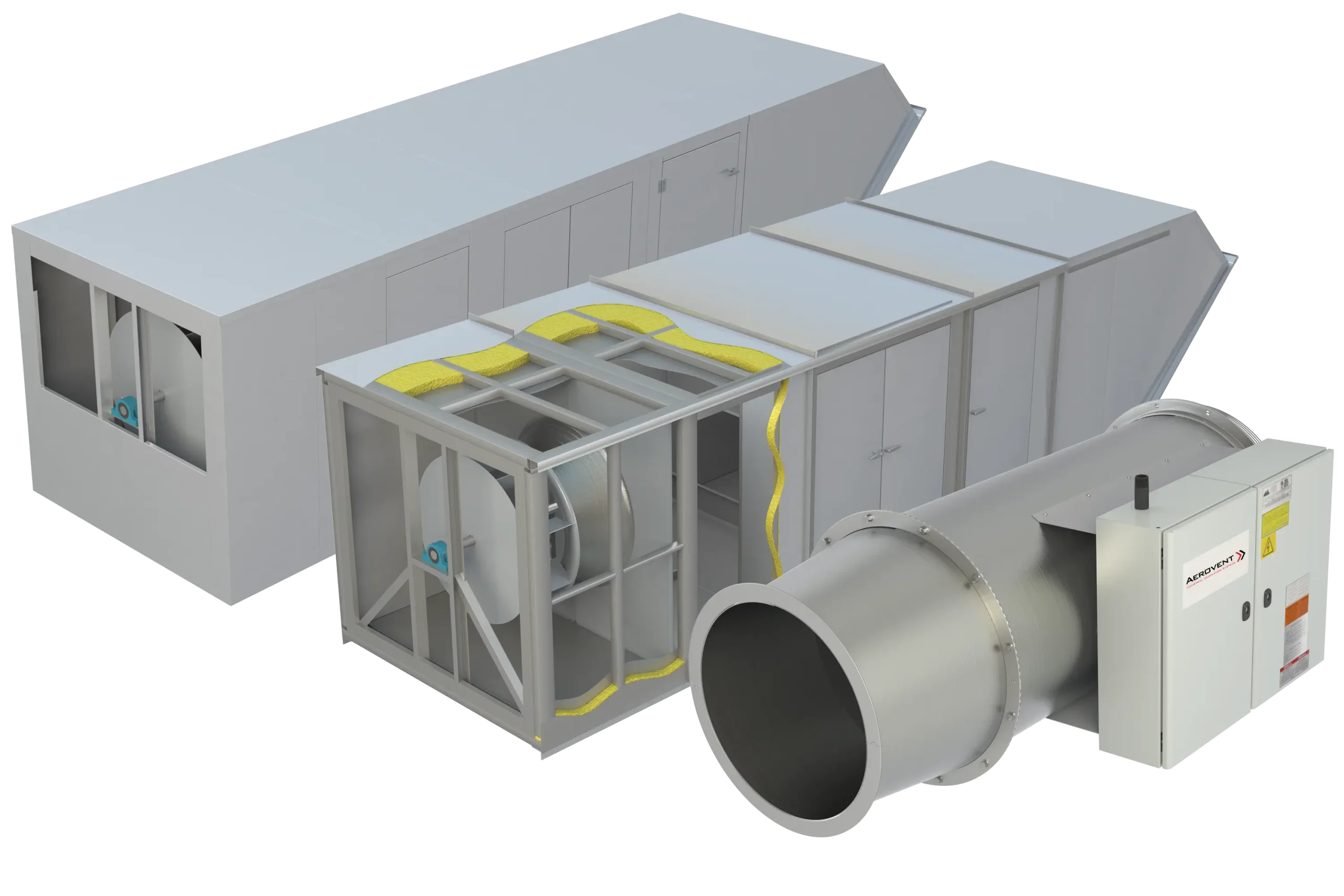



Your HVAC system is only as effective as the air ducts supporting it. These vital pathways ensure proper airflow, regulate temperatures, and maintain indoor air quality throughout your home. However, when air duct problems arise—like leaks, blockages, or poor insulation—they threaten not only your comfort but also your energy efficiency and wallet.
Did you know that leaky or poorly maintained ductwork can account for up to 30% of energy loss in your HVAC system? That’s wasted air, wasted energy, and unnecessary expense. From sealing cracks to diagnosing pressure imbalances, understanding how to identify and resolve common issues can significantly improve your system’s performance and lower energy bills.
In this guide, we’ll break down the most frequent air duct complications and explore actionable solutions, including diagnostic tools, insulation upgrades, and sealing techniques. Whether you’re a homeowner aiming for cost-effective fixes or seeking professional-level insights, this comprehensive overview will ensure your ducts—and HVAC system—are primed for optimal efficiency.
Air ducts are critical to HVAC performance, ensuring proper airflow, temperature regulation, and indoor air quality. However, air duct problems such as leaks, blockages, and inefficiencies can lead to reduced system performance and higher energy bills. This guide explores common air duct problems, their impact on system efficiency, and actionable solutions to maintain optimal functionality. Below are the key takeaways to help you diagnose and resolve issues effectively.
Addressing air duct problems is essential for maintaining system efficiency, reducing energy costs, and improving indoor comfort. By understanding common issues and their implications, homeowners can ensure their ducts are functioning optimally. In the sections ahead, we’ll dive deeper into professional diagnostic tools, installation techniques, and maintenance tips for long-term success.
Every significant air duct problem ultimately shows up in three measurable metrics: CFM (airflow), air velocity, and total pressure drop. When diagnosing HVAC ductwork maintenance issues, it is useful to think in terms of how each defect changes one or more of these values.
Airflow (CFM) is the volume of air moving through a duct per minute. Undersized ducts, dirty coils, closed dampers, or crushed flex duct reduce CFM at the registers, which increases run time, energy use, and can cause comfort complaints.
Velocity is the speed of air in feet per minute (fpm). If air velocity is too low, supply air may not mix properly in the room and dust can settle in ducts. If too high, you get noise, whistling, and excessive friction losses.
Total pressure drop is the loss in static + dynamic pressure from the air handler to the grilles. Excessive pressure drop is the main signature of restrictive duct design, blocked ducts, and clogged filters. When total external static exceeds the blower’s rating, CFM falls sharply even if the fan is running at full speed.
In practice, accurate air duct troubleshooting compares design targets to measured values. Resources such as the How to Size Air Ducts (CFM, Velocity & Pressure Drop) guide provide reference ranges that help interpret field data.
Once these relationships are clear, it becomes easier to link particular air duct problems—like leakage, poor insulation, or blockages—to measurable changes in HVAC performance.
Air duct leakage is one of the most costly and widespread air duct problems in both residential and commercial buildings. Leaks occur at joints, seams, access doors, flexible duct connections, and poorly sealed equipment transitions.
Typical symptoms of air duct leakage include:
Rooms that are consistently hotter or colder than others, despite identical thermostat settings.
Unusually dusty rooms or visible dust streaks on supply registers or return grilles.
High energy bills without an obvious change in usage patterns.
HVAC equipment running longer cycles with slow temperature recovery.
From a performance standpoint, leakage on the supply side reduces delivered CFM to conditioned spaces, while leakage on the return side draws in unfiltered, unconditioned air. Both increase total system load. A duct system with 20% leakage can easily drive energy waste of 15–30%, especially when ducts run through unconditioned attics or crawlspaces.
A field study in a 40,000 ft² office building found that sealing leaky main trunks and branch connections recovered approximately 18% lost CFM at distant VAV boxes. After sealing, blower power dropped by 12% and annual energy savings exceeded $28,000, with a payback under 2 years.
For more detail on leakage classes and sealing targets, see Air Duct Leakage Classes & Sealing, which provides engineering-level benchmarks for acceptable leakage rates.
Physical damage, construction debris, closed fire dampers, or accidental disconnections create severe restrictions. Flexible ducting is particularly vulnerable to kinks, compression under storage items, or tight bends that exceed manufacturer limits.
Typical symptoms of blocked or crushed ducts:
One or more registers with very low airflow while others perform normally.
Noticeable whistling or hissing at a specific duct section when the fan runs.
Localized comfort complaints isolated to a zone or floor.
In terms of metrics, a crushed flex duct may reduce cross-sectional area by 50%, increasing velocity locally and dramatically increasing pressure drop. This can cut delivered CFM at the affected register by more than half while leaving total system CFM roughly unchanged, which is why the problem is often misdiagnosed as an equipment issue.
In unconditioned spaces, poor duct insulation leads to heat gain (in cooling mode) or heat loss (in heating mode). The result is air leaving the duct system at a significantly different temperature than measured at the air handler.
Common signs of inadequate duct insulation include:
Supply air from distant registers feels lukewarm in summer or only mildly warm in winter.
Condensation on metal ducts in humid climates, often leading to corrosion or attic mold.
Large temperature difference between near and far registers despite similar CFM.
Thermal losses do not necessarily change CFM, but they compromise delivered capacity and can force the HVAC system to run longer, increasing total energy consumption. A duct run through a 130°F attic with minimal insulation can lose 10–20% of the cooling capacity before the air even reaches the room.
The article Improve Energy Efficiency with Proper Air Duct Insulation explains how to select R-values and materials for ducts in different climates.
Dust, construction debris, pest droppings, and microbial growth do not always change basic air duct performance metrics immediately, but they significantly affect indoor air quality and may eventually restrict flow if accumulation becomes severe.
Signs your air ducts may need cleaning:
Visible dust deposits or dark streaks around supply registers or return grilles.
Musty odors that intensify when the HVAC fan starts.
Unusual respiratory irritation or allergies that correlate with system operation.
In extreme cases, thick dust or lint layers inside ducts increase friction losses and thus pressure drop, measurably reducing CFM at registers. Facility managers should incorporate periodic inspections into standard HVAC ductwork maintenance plans, especially after renovation projects.
Many “maintenance” complaints trace back to poor original design rather than wear and tear. Undersized trunks, excessive equivalent length, or too many elbows produce high static pressure and poor airflow distribution across zones.
Typical signs of design-related air duct problems include:
High static pressure readings at the air handler (e.g., >0.8 in. w.c. for residential units rated at 0.5 in. w.c.).
Chronic noise at registers or within main trunks, even when filters are clean.
Rooms far from the air handler consistently under-conditioned regardless of damper adjustments.
Design defects manifest directly in the relationship between CFM, velocity, and pressure drop. Ducts sized only for capacity without accounting for friction and fitting losses frequently deliver 20–30% less airflow than intended. When such issues are structural, partial duct system repairs help, but full ductwork replacement may be more economical. For replacement strategies, see the HVAC Ductwork Replacement Guide.
Recognizing that symptoms often blend leakage, restrictions, insulation issues, and design flaws sets the stage for a structured diagnostic approach.
A systematic air duct troubleshooting process uses a limited set of core instruments. The table below summarizes the most common tools and their primary uses.
| Tool | Primary Measurement | Typical Use in Duct Diagnostics |
|---|---|---|
| Static Pressure Gauge / Manometer | in. w.c. static pressure | Assess total external static, identify restrictions or high resistance duct runs. |
| Flow Hood or Balancing Hood | CFM at supply/return grilles | Measure delivered airflow to rooms and compare against design targets. |
| Hot-Wire or Vane Anemometer | Air velocity (fpm) | Estimate CFM in ducts, verify velocity within acceptable ranges. |
| Duct Blower / Leakage Tester | Duct leakage at test pressure | Quantify leakage percentage, verify compliance with leakage classes. |
| Inspection Camera / Borescope | Visual condition | Identify disconnects, blockages, microbial growth, and insulation damage. |
Static pressure testing is one of the fastest ways to detect hidden duct system problems. By drilling test ports near the air handler and measuring supply and return static separately, you can determine whether the primary restriction lies in the ductwork, filter, or coil.
An example diagnostic sequence for a residential system:
Measure total external static pressure with a clean filter and all registers open. If the measured value exceeds manufacturer ratings, suspect undersized ducts, long runs, restrictive fittings, or closed dampers.
Compare supply vs. return static. A very high supply static relative to return suggests restrictive supply ducts; the opposite suggests undersized or obstructed returns.
Drill additional ports downstream of suspected restrictions (for example, after a coil or damper) to pinpoint significant pressure drop components.
Expert tip: A combined supply and return static pressure more than 0.2–0.3 in. w.c. above the equipment rating should trigger a detailed duct evaluation, even if the system appears to be “working.” Hidden restrictions often shorten equipment life.
Measuring room-level CFM with a flow hood or anemometer reveals how closely the installed system matches design values. In existing buildings where original design documents are unavailable, you can estimate target CFM based on room loads and compare against measured values.
For example, if a 150 ft² bedroom in a hot climate requires 120 CFM for acceptable cooling but only 70 CFM is measured, the next step is to examine the branch duct for kinks, diameter changes, or partially closed dampers. Comparing multiple similar rooms can highlight systemic vs. localized problems.
For quantitative leakage assessment, a duct blower test pressurizes or depressurizes the duct system while measuring airflow at a specified test pressure (e.g., 25 Pa or 0.1 in. w.c.). The resulting leakage rate is expressed as CFM25 or as a percentage of total system airflow.
In small projects or homeowner applications, simpler inspection methods can still be effective. A smoke pencil or incense stick held near visible joints can reveal leakage paths as air movement distorts the smoke stream. For guidance on sealing practices, refer to Air Duct Leakage Classes & Sealing.
Once measurements and visual observations are collected, they inform targeted duct system repairs rather than guesswork replacements.
The performance and durability of duct sealing heavily depend on material choice. Not all tapes and sealants are suitable for long-term use under HVAC conditions.
| Material | Best Use | Advantages | Limitations |
|---|---|---|---|
| Water-based Mastic | Metal duct seams, joints, elbow connections | Long-lasting, high adhesion, resists aging and heat | Requires drying time; must be applied on clean, dry surfaces |
| UL 181 Foil Tape | Sealing around insulation jacket, minor gaps | Fast, clean, good for accessible areas | Less durable than mastic on dynamic joints |
| Aerosol Duct Sealing Systems | Sealing leaks in inaccessible duct sections | Reaches hidden leaks; quantifiable leakage reduction | Requires specialized equipment and trained technicians |
For accessible areas of the duct system, such as attics or basements, the following process provides robust results:
Preparation: Turn off the HVAC system. Clean duct surfaces with a brush or cloth to remove dust, oil, and loose material. Dry thoroughly to ensure adhesion.
Identify leaks: Use a smoke pencil or simply feel for air movement at seams while the fan briefly runs. Mark suspected leak points with a marker or tape for systematic coverage.
Apply mastic: Using a brush or gloved hand, spread mastic over seams, joints, and gaps, ensuring a continuous layer at least 1/16” to 1/8” thick. Bridge larger gaps with fiberglass mesh embedded in the mastic.
Seal around boots and plenums: Pay particular attention where ducts connect to supply boots, return boxes, and equipment plenums. These transitions often account for a disproportionate share of leakage.
Cure and inspect: Allow mastic to cure as per manufacturer instructions, then re-run the system to confirm airflow improvements and check for any remaining leaks.
In new construction or major retrofits, refer to the Air Ducts collection for components designed with factory-sealed connections and compatible sealing accessories that minimize field leakage.
For existing ductwork hidden in walls or tight ceiling cavities, aerosol duct sealing technologies introduce atomized sealant into a pressurized duct system. Particles accumulate at leak edges and gradually seal them from the inside.
This method is particularly effective when:
The duct system is largely inaccessible and demolition would be costly.
Duct leakage tests reveal high leakage but visible ducts appear tight.
Building owners require verifiable leakage reduction data as part of a commissioning or energy retrofit project.
A multi-family complex that applied aerosol sealing to 120 units reported an average reduction in duct leakage of 85%, improving delivered CFM to apartments by 15–25% and cutting central fan energy by 18%. Annual combined utility savings exceeded $120,000.
After sealing, ongoing HVAC ductwork maintenance should include periodic leakage testing to verify long-term performance.
Flexible ducting is convenient but often installed incorrectly. Common errors include excessive length, sharp bends, sagging, and compression under insulation or building materials. These all increase friction losses and pressure drop.
Best practice improvements include:
Maintaining tension: Flex duct should be pulled taut between supports to minimize internal corrugations and turbulence.
Limiting bend radius: Bends should have a centerline radius at least equal to the duct diameter, preferably greater, to avoid significant flow separation.
Proper support spacing: Support straps should be installed every 4 feet or less, with wider straps to prevent compression of insulation and inner core.
The guide Flexible Air Duct Guide: Types, Benefits and Installation Best Practices provides installation details that reduce friction and maintain design airflow.
Where ducts are physically damaged or fundamentally undersized, replacement is generally the only effective air duct efficiency solution. In such cases, metal ducts or higher-quality flexible ducts with proper diameters should be specified based on calculated loads and acceptable pressure drop.
The Air Duct Material Selection Guide and Essential Guide to Selecting the Best Air Duct Hose can help match duct types and materials to application, temperature, and pressure constraints.
After replacement, verify improvements with static pressure and CFM measurements to confirm that changes produced the intended reduction in resistance and increase in delivered airflow.
Choosing the right insulation thickness and type depends on climate, duct location, and operating temperatures. The goal is to limit conductive and convective losses so that delivered air temperature remains close to supply temperature at the air handler.
Key factors when evaluating duct insulation include:
R-value: Higher R-values reduce heat transfer. Attic ducts in hot climates often benefit from R-8 or higher, while ducts within conditioned spaces may only require R-4 or less.
Vapor barrier: In humid climates, an effective vapor barrier is essential to prevent condensation on cool duct surfaces, which can lead to moisture damage or mold.
Mechanical durability: Insulation exposed in crawlspaces or mechanical rooms should resist tearing and compression.
A case study in a 15,000 ft² retail store found that upgrading attic duct insulation from R-4.2 to R-8 reduced supply air temperature rise by 4–6°F during peak summer conditions. Combined with duct sealing, overall cooling energy use dropped by 17%, saving roughly $11,000 per year.
More recommendations are available in Improve Energy Efficiency with Proper Air Duct Insulation.
For existing metal ducts, retrofits typically involve wrapping with fiberglass or elastomeric insulation and sealing seams in the new jacket with UL-approved foil tape. Pay special attention to fittings, boots, and transitions where heat gain and leaks often coincide.
Measurement-wise, successful insulation retrofits should show reduced temperature difference between the air handler outlet and farthest register at similar CFM and outdoor conditions, confirming lower thermal losses without changing airflow characteristics.
Not every dusty duct warrants aggressive cleaning. Over-cleaning can damage duct liners or dislodge insulation. However, cleaning is appropriate when any of the following are observed:
Thick dust or debris visibly coats duct interiors or supply boots.
Microbial growth is confirmed on duct surfaces or fiberglass duct board.
Post-construction debris, drywall dust, or insulation scraps are present in ducts.
Professional cleaning methods should include containment, HEPA filtration, and protection of coils and filters to prevent redistributed dust from re-entering the occupied space. After cleaning, duct sealing and filtration upgrades help prevent rapid recontamination.
A valuable practice is to pair duct cleaning with airflow and static pressure measurements before and after service. If cleaning removes significant obstructions, you should see a modest decrease in pressure drop and an increase in CFM at affected registers. Where tests show negligible change, the benefit is primarily air quality rather than capacity.
For facility managers, documenting these metrics supports data-driven decisions about future cleaning intervals and confirms that contractors delivered measurable improvements.
Some duct systems are so poorly designed or deteriorated that piecemeal duct system repairs cannot achieve acceptable HVAC performance. Indicators that replacement should be considered include:
Extremely high static pressure even after sealing, cleaning, and filter upgrades.
Widespread undersized trunk lines or branch ducts that cannot be easily enlarged.
Extensive corrosion, crushed ducts, or non-compliant installations noted in inspection reports.
In such cases, a redesign based on accurate load calculations and proper duct sizing using established friction charts and velocity guidelines is warranted. The How to Size Air Ducts (CFM, Velocity & Pressure Drop) guide provides the methodology needed to align duct design with blower capabilities.
When designing replacement ducts or major upgrades, several targets improve airflow efficiency and noise control:
Maintain velocity in main trunks within recommended ranges, typically 700–1,200 fpm for comfort systems, higher for exhaust where noise is less critical.
Limit total effective length and equivalent length of fittings to keep friction-related pressure drop within blower capability.
Position returns strategically to reduce pressure imbalances between rooms and avoid door undercut dependency.
Properly sized and installed ducts, combined with balanced supply and return strategies, reduce fan energy, improve comfort, and extend equipment life. Additional design pitfalls to avoid are discussed in Common Air Duct Installation Issues, Performance Loss & Prevention.
The question “How often should air ducts be maintained?” does not have a single answer, but general guidelines can be established:
For typical residences, a visual inspection of accessible ducts every 1–2 years is advisable, coinciding with equipment service visits.
For commercial buildings, annual inspections with static pressure and representative airflow measurements help detect degradation early.
After major renovations, any duct system that remained in place should be inspected and, if necessary, cleaned and resealed.
Effective HVAC ductwork maintenance routines may include checking for damaged insulation, loose hangers, signs of condensation, and accumulation of dust at registers. Detailed maintenance strategies are discussed in Air Duct Maintenance Tips: Improve Efficiency & Save Money and Air Conditioning Duct Maintenance and Efficiency.
Many minor tasks can be safely handled by homeowners or building staff:
Replacing or upgrading filters on schedule to reduce dust entry into ducts.
Visually inspecting accessible duct sections for disconnected joints or crushed flexible ducts.
Using a smoke pencil to identify obvious accessible leaks, then applying mastic or UL 181 foil tape where appropriate.
However, certain conditions warrant professional intervention:
Persistent comfort problems despite thermostat and filter checks.
Static pressure readings indicating system is operating beyond blower rating.
Suspected microbial growth or contamination requiring specialized cleaning and containment.
A professional team equipped with Axial Fans, duct blowers, manometers, and flow hoods can conduct a full diagnostic, quantify leakage, and propose targeted air duct efficiency solutions with documented improvements.
Effective management of air duct problems involves more than sealing random leaks or cleaning ducts on a fixed schedule. It requires connecting symptoms—hot and cold spots, noise, dust, high bills—to measurable changes in CFM, velocity, and pressure drop. Once these metrics are understood and tracked, air duct troubleshooting becomes a predictable, data-driven process instead of trial and error.
Comprehensive resources at BromingHvac, including the Air Ducts collection and technical guides like How to Size Air Ducts (CFM, Velocity & Pressure Drop), support both professionals and advanced homeowners in selecting, installing, and maintaining duct systems that meet modern efficiency and comfort expectations. With those tools and methods in place, duct system repairs, upgrades, and ongoing maintenance can be prioritized to deliver the greatest impact on HVAC performance and indoor air quality.
Air ducts function as the backbone of any HVAC system, channeling conditioned air throughout a building to ensure comfort, efficiency, and indoor air quality. However, as this article makes evident, air duct problems—whether due to leakage, blockages, poor insulation, contamination, or design flaws—can undermine system performance, increase energy costs, and compromise occupant comfort. Understanding these issues in depth, along with the tools and methods to address them, is essential for maintaining a reliable and efficient HVAC system.
The key takeaways from this comprehensive exploration are unmistakable. Common air duct issues such as leakage, restricted airflow, and thermal losses were shown to have measurable impacts on CFM, velocity, and pressure drop. These metrics not only diagnose performance deficiencies but also offer a framework for targeted improvement. For instance:
Effective troubleshooting and repair are impossible without understanding the root cause of air duct inefficiencies. Diagnostic tools such as static pressure gauges, flow hoods, and leakage testers deliver actionable data. Measurements clarify whether issues stem from aged duct systems, improper installation, or maintenance lapses. Knowing these distinctions equips homeowners and professionals to prioritize repairs or overhauls, ensuring efficient resource allocation.
Steps such as sealing ducts with mastic, cleaning to improve air quality, retrofitting insulation, and correcting flex duct installations can drastically enhance airflow and energy efficiency. Moreover, adopting maintenance routines like periodic inspections, as recommended in Air Duct Maintenance Tips, prevents small problems from escalating into costly repairs.
The ultimate goal of addressing air duct problems is not only to restore system efficiency but also to establish sustainable solutions that meet long-term needs. Proper duct design, periodic performance testing, and targeted upgrades save on energy costs, reduce strain on equipment, improve indoor air quality, and promote environmental responsibility. This is especially critical in an era where energy efficiency standards are increasingly stringent.
With such detailed diagnostic methods, repair strategies, and product resources as discussed here, the path to efficient and reliable air duct performance is clear. Whether through addressing acute issues like leakage or adopting systemic upgrades based on trusted methodologies, ensuring well-maintained air ducts leads to measurable improvements in HVAC system performance and occupant satisfaction.
For anyone looking to take the next step in optimizing HVAC systems, exploring the resources at BromingHvac provides guidance and technical support tailored to both homeowners and HVAC professionals. From practical guides like the How to Size Air Ducts to high-quality components in the Air Ducts Collection, the tools and insights to build, repair, and maintain air ducts are at your fingertips.
In conclusion, understanding and addressing air duct issues is not merely optional but fundamental to achieving optimal HVAC performance. As this article demonstrates, these challenges can be systematically identified and resolved, creating a more comfortable, efficient, and healthy indoor environment for years to come.


