Need Specifications or a Quote?
Share your ventilation project requirements and our engineers will reply within 12 hours with technical specs, pricing, and lead time.


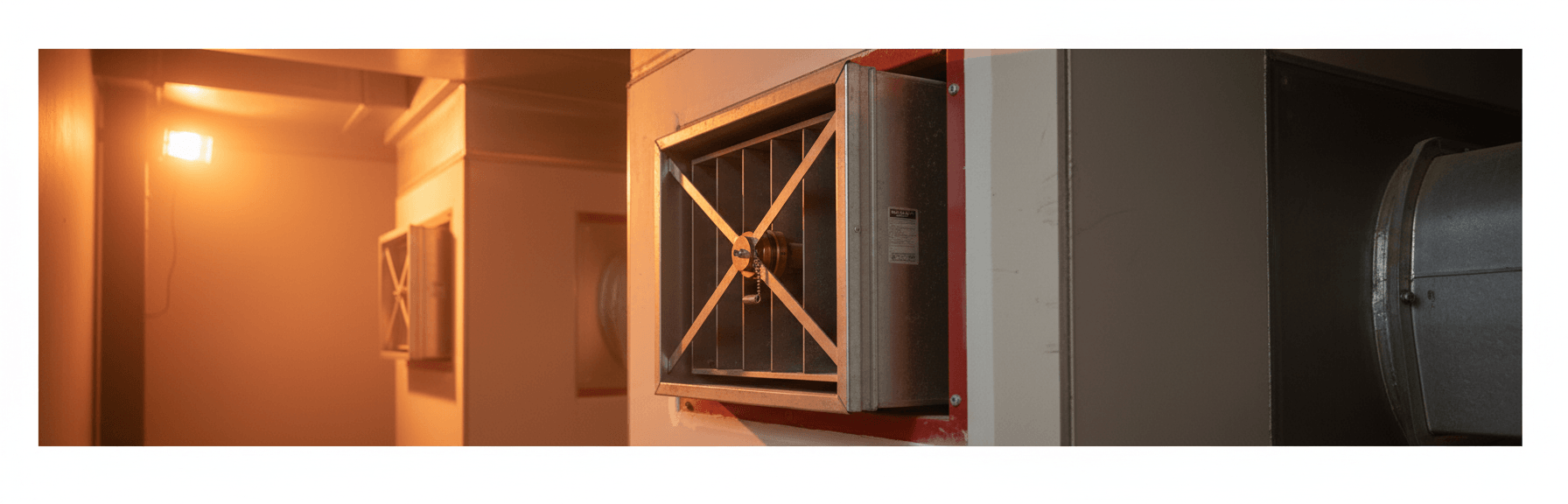

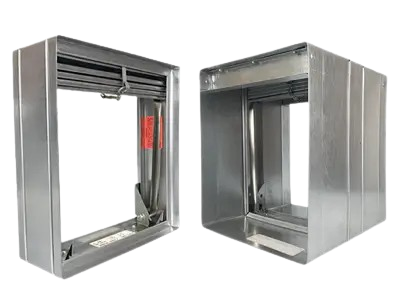
A fire damper is a required component in a passive fire protection system. Passive systems contain a fire at its origin. This strategy is called compartmentalization. Fire dampers stop fire from spreading through HVAC ductwork. You must install a fire damper where a duct penetrates a fire-rated barrier. This maintains the barrier’s integrity.
A fire damper automatically blocks flames and hot gases. It isolates the fire inside one compartment. This prevents the HVAC system from spreading fire and smoke. Containment gives occupants time to evacuate. It also allows first responders time to arrive.
A fire damper activates mechanically. It requires no external power. Most dampers use a fusible link. This heat-sensitive device melts at a specific temperature, usually 165°F (74°C). The link holds the damper blades open during normal operation. This allows for standard airflow.
During a fire, high air temperature melts the fusible link. The link breaks. This releases tension on the damper blades. The blades snap shut from gravity or spring force. Curtain-style blades drop down. Multi-blade dampers close like blinds. This automatic closure seals the duct. It creates a barrier against the fire.
The damper’s fire resistance rating must match the barrier’s rating. Ratings are measured in hours, such as 1.5-hour or 3-hour. The rating shows how long the damper can withstand fire without failing. For example, a 2-hour fire-rated wall requires a 1.5-hour fire damper. The complete assembly must compartmentalize the fire for the specified time.
Mismatched ratings create a weak point in your fire protection. Do not install a 1.5-hour damper in a 3-hour fire wall. You must choose the correct HVAC fire damper rating. This is required for proper compartmentalization. It ensures the system performs as designed.
Correctly installed and maintained fire dampers provide life safety and asset protection. They are a core component of a building’s safety plan.
Fire dampers protect personnel. Smoke inhalation is a primary threat in a fire. Dampers seal ductwork automatically. This stops the HVAC system from spreading smoke.
Fire dampers contain a fire to its room of origin. This protects the building structure. High heat from uncontrolled fires weakens structural steel. This can lead to collapse. Compartmentalization limits heat exposure. It preserves the building’s structural integrity.
Dampers also protect the HVAC system itself. Without them, fire travels through ductwork. It melts components and spreads soot. The entire system may require replacement. A damper isolates the fire and contains the damage. This minimizes repair costs and downtime.
A compliant fire damper system reduces financial risk. It prevents catastrophic fire loss. This saves money on property damage and business interruption. Insurers may offer lower premiums for buildings with properly maintained passive fire protection. Specifying certain modern dampers can also reduce fire damper installation costs by up to 45% over traditional models. The lifetime cost of dampers is minimal compared to the cost of an uncontrolled fire.
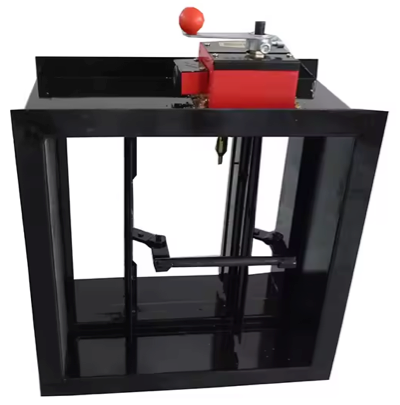
A fire damper must be installed and maintained correctly to function. An improper installation is a total failure. You must follow the manufacturer’s instructions and all national standards. This ensures the device works in a fire.
A correct fire damper installation requires precision. You must follow manufacturer specs and NFPA guidelines.
Regular inspections are required by law. NFPA 80 and NFPA 90A define the inspection schedule.
The inspection includes a visual check for corrosion or blockages. It also requires an operational test, or “drop test.” You remove the fusible link to confirm the blades close completely.
Avoid common mistakes that cause dampers to fail.
You must comply with all building and fire codes. Non-compliance results in penalties. You are responsible for understanding the codes for fire damper installation and maintenance.
The NFPA develops the primary standards for fire dampers. Two codes are critical:
Local and state codes adopt these standards, making them law. The Authority Having Jurisdiction (AHJ), like a fire marshal, enforces compliance.
A fire damper is designed to prevent the spread of fire through HVAC ductwork when a duct penetrates a fire-rated wall, floor, or ceiling. When exposed to heat, the damper automatically closes, maintaining the integrity of the fire barrier and limiting fire and smoke migration between building compartments.
Fire dampers are required where HVAC ducts penetrate fire-resistance-rated assemblies, including:
Fire-rated walls and partitions
Fire-rated floors and ceilings
Shafts and fire barriers
Specific requirements are defined by codes such as IBC, NFPA 90A, and referenced standards like UL 555.
A fire damper is triggered by heat (fusible link or thermal sensor) and closes during a fire.
A smoke damper is motorized and controlled by the building’s fire alarm or smoke detection system to limit smoke movement.
In many applications, a combination fire/smoke damper is required to address both hazards.
Yes. Most codes require adequate access to fire dampers for inspection, testing, and maintenance. Access doors must be installed in ducts, ceilings, or walls as needed to allow technicians to:
Verify damper condition
Replace fusible links
Perform operational testing
Lack of access is a common cause of inspection failure.
If a fire damper fails inspection, it must be repaired or replaced immediately to restore fire barrier integrity. Common failure causes include:
Obstructed blades
Damaged fusible links
Improper installation
Corrosion or mechanical wear
Unresolved failures can result in code violations and occupancy delays.
Fire dampers are not required in non-rated walls, but they may still be specified in certain designs for enhanced fire compartmentation or insurance requirements. Always verify the wall rating and local code interpretation before installation.