Need Specifications or a Quote?
Share your ventilation project requirements and our engineers will reply within 12 hours with technical specs, pricing, and lead time.
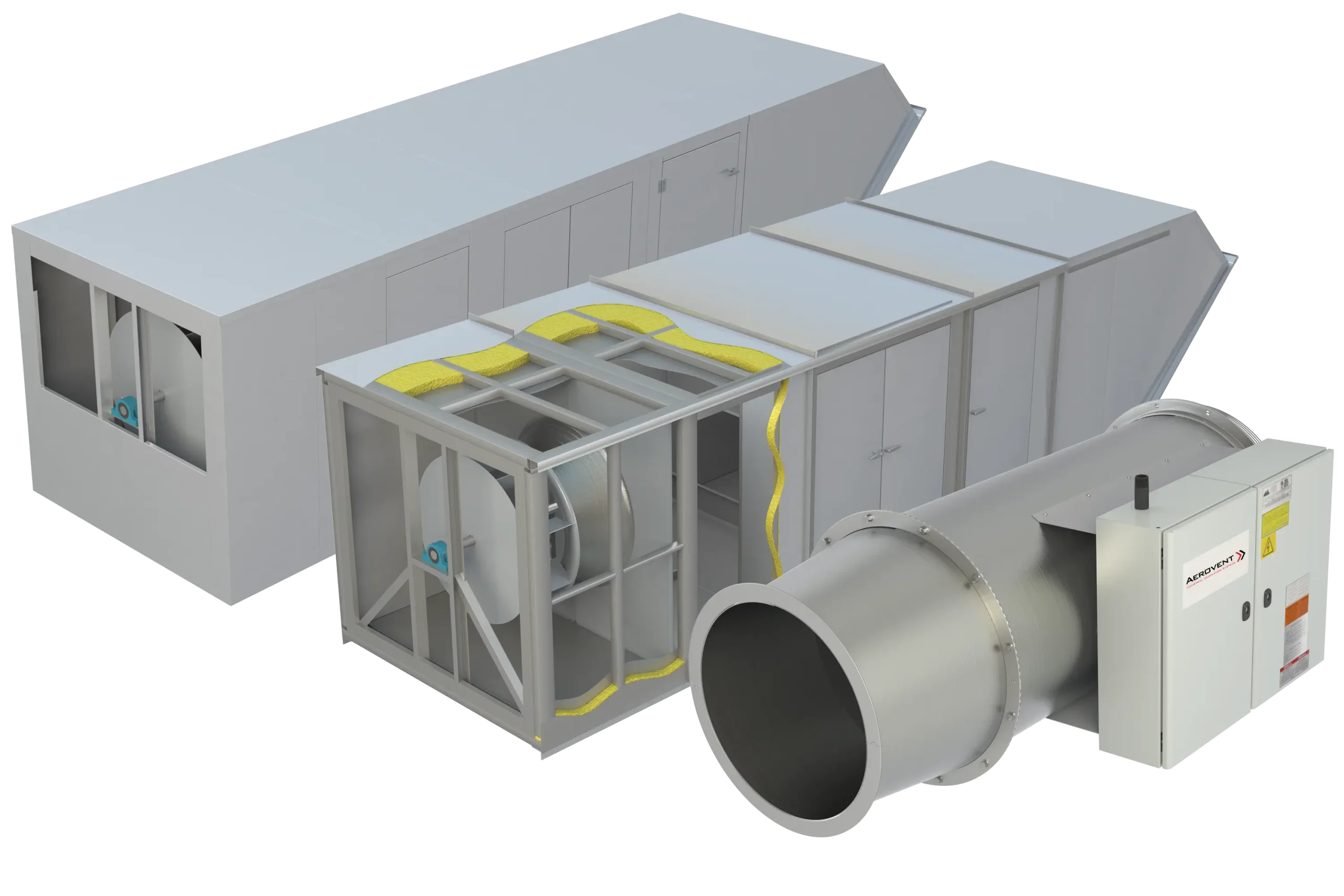



Running a commercial facility effectively requires more than just a maintenance schedule; it demands a robust strategy for acquiring commercial hvac supplies. Unplanned system failures do not merely result in repair invoices—they disrupt business operations, compromise tenant comfort, and can lead to significant revenue loss. For facility managers, business owners, and HVAC contractors, the difference between a minor service call and a prolonged building shutdown often lies in the immediate availability of essential components and the reliability of the supply chain behind them.
Modern commercial systems are intricate networks of airflow, thermal regulation, and automated controls. From the powerful axial fans driving air through the building to the complex network of ducts distributing it, every piece plays a pivotal role in total system performance. When a critical component fails, the ability to source a factory-authorized replacement quickly is paramount to restoring operations.
This necessitates a shift from reactive purchasing to proactive inventory management. By understanding which parts are critical to your specific infrastructure—such as high-capacity Tubeaxial Commercial Fan Belt Driven units or specialized motors—you safeguard your facility against extended downtime. Furthermore, the quality of the materials used in retrofits and repairs directly influences energy efficiency. Utilizing high-grade air ducts ensures that static pressure remains optimal and energy waste is minimized. Whether your building requires exposed Spiral Duct and Fittings for an industrial aesthetic or standard Rectangular Duct and Fittings for concealed plenums, the integrity of these materials dictates the longevity of the installation.
Procurement is also a matter of safety and occupant health. Essential safety devices, such as fire smoke dampers, must be sourced from reputable manufacturers to ensure they function correctly during emergencies. A procurement strategy that cuts corners on these vital systems places the entire building at risk. Additionally, the selection of terminal units, such as Heavy Duty Sidewall Return Grilles, impacts how effectively a system maintains climate control and air quality in occupied spaces.
Consequently, knowing where to find reliable sheet metal ductwork suppliers and equipment distributors becomes a competitive advantage. Navigating the landscape of commercial hvac parts involves distinguishing between OEM quality and aftermarket alternatives. While cost is always a factor, the long-term reliability provided by factory-authorized parts often outweighs initial savings. Partnering with a dedicated specialist like BromingHVac ensures access to components that meet rigorous industry standards.
This article explores the nuances of the HVAC supply chain, offering professional insights into securing the best components for your needs. Whether you are upgrading top HVAC ductwork supplies or establishing a safety stock of consumables, the following guide provides the essential knowledge to optimize your procurement strategy and enhance your facility’s operational resilience.
Effective management of commercial HVAC systems requires more than just reactive repairs; it demands a strategic approach to sourcing supplies. By prioritizing quality components, understanding the nuances of factory-authorized parts, and optimizing procurement processes, businesses can ensure system reliability and significant long-term cost savings. Below are the essential takeaways for navigating the commercial HVAC supply landscape.
Sourcing the right commercial HVAC supplies is a critical operational pillar that impacts both building comfort and the bottom line. In the sections ahead, we will explore the specific categories of essential equipment, compare OEM versus aftermarket solutions, and detail strategies for refining your procurement approach.
The operational integrity of any large-scale facility hinges on the quality and specificity of the commercial hvac supplies utilized during installation and maintenance. For facility managers and procurement officers, understanding the distinction between residential-grade hardware and industrial-specification components is not merely a matter of preference but a requirement for compliance and efficiency. The procurement landscape encompasses distinct categories, each requiring a deep understanding of fluid dynamics, material science, and regulatory codes to ensure system longevity.
The ductwork system functions as the vascular network of a building’s climate control infrastructure. Unlike residential systems, commercial air distribution must withstand significantly higher static pressures and air velocities. When sourcing air ducts, the primary engineering challenge lies in balancing airflow volume (CFM) against friction loss and static pressure resistance. Improperly sized or constructed ducts lead to increased fan brake horsepower (BHP), resulting in inflated energy consumption and accelerated motor wear.
Material integrity is paramount in this category. Commercial ductwork is typically fabricated from galvanized steel, adhering to specific gauge standards outlined by the Sheet Metal and Air Conditioning Contractors’ National Association (SMACNA). Procurement teams must specify the galvanization rating—typically G60 or G90. The G90 rating indicates a thicker zinc coating (0.90 oz/sq ft), which provides superior corrosion resistance in humid environments or plenums where condensation is a risk. Choosing the correct gauge is equally critical; utilizing 26-gauge metal where 22-gauge is required by pressure class code can result in “oil-canning” (booming noises) and structural failure under load.
A frequent decision point in system design and retrofit is the choice between circular and rectangular configurations. While Rectangular Duct and Fittings are often necessary for maximizing cross-sectional area in tight ceiling plenums with height restrictions, they are aerodynamically inferior to spiral options. Conversely, Spiral Duct and Fittings offer inherent structural rigidity due to the lock-seam construction, allowing for the use of lighter gauge metals without compromising strength. This “hoop strength” also contributes to lower friction loss and reduced leakage rates, which are critical for maintaining building pressure.
To assist in the procurement decision-making process, the following table outlines the comparative performance metrics of these two primary duct configurations:
| Feature | Spiral Ductwork | Rectangular Ductwork |
|---|---|---|
| Aerodynamic Efficiency | High: Natural curvature reduces turbulence and friction loss. | Moderate: Corners create turbulent eddies, increasing static pressure drop. |
| Acoustic Performance | Superior: rigidity resists vibration and low-frequency rumble. | Lower: Large flat surfaces are prone to drumming and require stiffening. |
| Installation Labor | Fast: Longer sections and fewer hangers reduce installation time. | Slower: Requires more joints, sealants, and reinforcement angles. |
| Space Utilization | Low: Requires more vertical clearance. | High: Can be flattened (high aspect ratio) to fit tight plenums. |
| Leakage Class | Class 3 (Low Leakage) is easily achievable. | Requires extensive sealing to meet Class 6 or higher standards. |
Selecting the appropriate configuration is only the first step. To ensure the longevity of the system, contractors must access top HVAC ductwork supplies that meet strict SMACNA leakage classes. A 15% leakage rate in a high-velocity system can translate to thousands of dollars in lost thermal energy annually. Consequently, it is vital to find reliable sheet metal ductwork suppliers capable of providing mill-certified materials that guarantee gauge thickness and coating quality.
At the heart of air movement lies the mechanical assembly. In commercial applications, the demand for high-volume air displacement requires robust axial fans capable of overcoming the resistance of filters, coils, and extensive duct runs. The selection of these units involves analyzing the fan curve—a graphical representation of the fan’s performance regarding pressure capability and airflow volume.
One of the most versatile workhorses in this sector is the Tubeaxial Commercial Fan Belt Driven configuration. The belt-driven design offers a distinct strategic advantage over direct-drive systems: adjustability. By altering the sheave (pulley) pitch diameter, facility managers can fine-tune the fan’s RPM to meet actual building loads, which often differ from design estimates. Furthermore, the belt drive isolates the motor from the vibration and heat of the airstream, significantly extending the motor’s operational lifespan.
Case studies in industrial manufacturing facilities have shown that upgrading to high-efficiency motors with precision-balanced fan assemblies can reduce vibration velocity from 0.15 in/sec to less than 0.05 in/sec. This reduction not only lowers noise levels but also decreases mechanical stress on bearings, extending the mean time between failures (MTBF) by upwards of 40%.
Procurement in the commercial HVAC sector is heavily dictated by life-safety codes. The most critical components in this regard are those designed to contain the spread of fire and smoke. According to the National Fire Protection Association (NFPA), specifically NFPA 90A (Standard for the Installation of Air-Conditioning and Ventilating Systems), ductwork penetrating fire-rated barriers must be equipped with approved dampers.
Contractors must source certified fire smoke dampers that carry a UL 555 (Fire Damper) and UL 555S (Smoke Damper) listing. These devices are sophisticated pieces of engineering; they must close rapidly upon detection of heat or smoke but must also be robust enough to close against the high velocity of a running fan (dynamic rating). A common compliance failure occurs when procurement officers select static-rated dampers for systems where fans remain operational during an alarm, leading to damper failure during an emergency.
Furthermore, the actuators powering these dampers require careful selection. They must possess sufficient torque to overcome the friction of the damper blades and the air pressure, holding the damper open against a spring return mechanism that ensures fail-safe closure if power is cut.
The final stage of the air distribution process involves the delivery of conditioned air into the occupied zone. This requires precise terminal units and grilles. Poor selection here leads to drafts, noise, and temperature stratification. Heavy Duty Sidewall Return Grilles are essential in high-traffic areas such as gymnasiums, schools, or industrial corridors where standard aluminum residential grilles would dent or fail. These heavy-duty variants often feature steel construction with welded reinforcements.
Balancing dampers and louvers play a crucial role in volume control. Without properly installed manual volume dampers (MVDs) at branch takeoffs, the system relies solely on the terminal registers for balancing, which creates excessive noise (regenerated noise) as air is forced through a constricted aperture at the outlet. Proper procurement strategies include specifying dampers with standoff regulators that remain accessible even after duct insulation is applied.
The transition from technical specifications to strategic purchasing requires a shift in mindset. Understanding the hardware is foundational, but knowing how to source it effectively is what defines a profitable operation.
A persistent debate in the procurement of commercial hvac supplies is the choice between Original Equipment Manufacturer (OEM) parts and aftermarket alternatives. This decision impacts warranty status, system efficiency, and long-term reliability.
OEM parts are engineered to the exact tolerance specifications of the original system design. In complex machinery like centrifugal chillers or screw compressors, a dimensional deviation of even a few thousandths of an inch can lead to catastrophic failure. Using factory-authorized parts ensures that the replacement component maintains the system’s certified energy efficiency ratings, such as SEER (Seasonal Energy Efficiency Ratio) or EER (Energy Efficiency Ratio).
For example, replacing a condenser fan motor with a generic “universal” motor might restore function, but if the RPM or amp draw differs slightly from the original, it can alter the head pressure of the refrigeration cycle. This forces the compressor to work harder, reducing the system’s overall efficiency and potentially voiding the manufacturer’s warranty on the compressor itself. In critical applications—such as data centers or healthcare facilities—the risk associated with non-OEM parts is often unacceptable.
However, an exclusive OEM strategy is not always economically viable or necessary. Aftermarket solutions play a vital role, particularly in the realm of consumables and legacy support. Items such as filters, belts, and generic sensors often meet or exceed OEM specifications at a fraction of the cost. High-quality aftermarket suppliers often manufacture the components for the OEMs themselves, meaning the physical product is identical, lacking only the branded packaging.
Furthermore, for obsolete systems where the manufacturer has ceased production of specific components, the aftermarket becomes the only lifeline. “White-label” manufacturers can often fabricate custom coils or shafts that keep a 20-year-old rooftop unit operational, saving the facility owner the massive capital expenditure of a full system replacement.
Securing the right parts is only half the battle; the timing and logistics of procurement determine the profitability of a maintenance contract or a facility budget. Supply chain disruptions have taught the industry that reliance on “Just-in-Time” (JIT) inventory for critical components is a high-risk strategy.
Successful HVAC businesses and facility managers are moving toward a hybrid inventory model. This involves identifying “critical spares”—parts that, if they fail, result in immediate building shutdown or safety hazards—and keeping them on hand. However, there is a deeper layer to this strategy that is often overlooked.
Hidden Insight: The Cost of Timing
Most procurement strategies focus obsessively on the purchase price. However, the true hidden cost in commercial HVAC lies in the velocity of acquisition during a crisis. The “Hidden Insight” is that the holding cost of specific safety stock (like a specific control board or a spare motor) is almost always lower than the expedited shipping fees and emergency labor rates incurred during a breakdown. Profitable businesses do not just buy parts; they buy time by holding inventory that buffers them against supply chain volatility.
Implementing digital tracking tools allows businesses to analyze inventory turnover rates. By tagging assets and tracking usage frequency, managers can automate reordering points for high-turnover items like capacitors, contactors, and belts, ensuring that technicians never arrive at a job site empty-handed.
The HVAC industry is inherently seasonal, and savvy procurement officers leverage this to their advantage. Purchasing heating components, such as heat exchangers or boiler gaskets, during the spring or summer often yields significant discounts. Conversely, stocking up on cooling components like refrigerant and compressor oil during the winter months allows companies to negotiate bulk pricing.
A documented case study involving a multi-site facility management firm revealed that shifting their procurement of preventative maintenance supplies (filters and belts) to a bulk annual order placed in the off-season reduced their material costs by 18%. This strategy also consolidated shipping, reducing freight costs and administrative overhead associated with processing hundreds of small purchase orders throughout the year.
The partner you choose to supply your commercial hvac parts is as critical as the parts themselves. In an era of global supply chains, the distinction between a box-mover and a value-added distributor is clear.
Commercial HVAC components are often bulky, heavy, and fragile. Shipping a 20-foot section of spiral duct or a 500-pound fan assembly requires specialized logistics. A supplier must have a robust distribution network capable of handling Less-Than-Truckload (LTL) freight without incurring high damage rates. Transparency in lead times is non-negotiable; if a project schedule relies on a crane lift date, the equipment must arrive on time.
For immediate needs and streamlined ordering, access to a comprehensive BromingHVac shop allows contractors to verify stock levels in real-time. Suppliers with integrated e-commerce platforms enable procurement teams to track shipments, view invoices, and manage returns efficiently, reducing the friction in the procurement cycle.
The complexity of modern HVAC systems means that purchasing agents often need technical guidance. A top-tier supplier does not just process part numbers; they employ application engineers who can verify compatibility. For instance, if a specific fire damper is backordered, a knowledgeable supplier can identify an alternative model that meets the same UL 555 rating and dimensional requirements, keeping the project on track.
Additionally, suppliers offering custom fabrication services are invaluable. The ability to order a custom transition piece or a specific plenum box and have it fabricated and shipped within days provides a competitive edge to contractors dealing with unforeseen field conditions.
As the industry evolves, the methods of sourcing and maintaining HVAC systems are undergoing a digital and ecological transformation. Staying ahead of these trends is essential for long-term viability.
The integration of procurement software with Building Management Systems (BMS) is the next frontier. Advanced BMS platforms can now predict component failure based on vibration analysis or amperage trends and automatically generate a purchase requisition for the replacement part before the failure occurs. This shift from reactive to predictive maintenance relies on a supply chain that is digitally integrated, allowing for seamless data exchange between the facility and the supplier.
Sustainability is no longer a buzzword; it is a regulatory requirement and a corporate mandate. Procurement strategies must now account for the lifecycle impact of materials. This includes selecting suppliers who prioritize recyclable packaging and offer products that contribute to LEED (Leadership in Energy and Environmental Design) credits.
For example, choosing ductwork sealants with low Volatile Organic Compounds (VOCs) or selecting insulation materials made from recycled content can contribute to a building’s environmental certification. Furthermore, the push for decarbonization is driving the market toward heat pump technologies and high-efficiency VRF (Variable Refrigerant Flow) systems. Supply chains must adapt to stock these advanced components, ensuring that facility managers have access to the technology required to meet aggressive carbon reduction goals.
Navigating the complex landscape of commercial facility management requires more than just technical knowledge; it demands a strategic approach to procurement, safety, and system optimization. As we have explored, the difference between a functional building and an optimized facility lies in the details—specifically, the quality of the commercial hvac supplies selected and the logistical strategies employed to acquire them. From the structural integrity of the ductwork to the reliability of safety mechanisms, every component plays a pivotal role in the operational lifecycle of the building.
The foundation of any high-performance climate control system is its air distribution network. As discussed, the choice between rectangular configurations and Spiral Duct and Fittings is not merely aesthetic but fundamental to aerodynamic efficiency and energy conservation. By prioritizing materials with the correct galvanization ratings and gauge thickness, facility managers protect their investments against corrosion and structural failure. This attention to detail ensures that the vascular system of the building operates with minimal friction loss and maximum longevity.
Beyond efficiency, the procurement process is the first line of defense in building safety. Adhering to NFPA codes and ensuring that all penetrations are equipped with certified fire smoke dampers is non-negotiable. The distinction between static and dynamic ratings is critical; understanding that safety devices must perform under the stress of a running fan during an emergency can be the difference between containment and catastrophe. Procurement officers must remain vigilant, selecting actuators and dampers that offer proven reliability and fail-safe operation.
The mechanical heart of the system drives air quality and comfort. Selecting robust air movers, such as the Tubeaxial Commercial Fan Belt Driven units, provides the necessary adjustability to match actual building loads. This flexibility allows for fine-tuning that direct-drive systems often lack, extending motor life and reducing vibration. Furthermore, ensuring proper airflow at the terminal points with Heavy Duty Sidewall Return Grilles prevents the common pitfalls of noise generation and uneven temperature distribution in high-traffic commercial zones.
The transition from reactive repairs to proactive management is fueled by intelligent inventory strategies. The debate between OEM and aftermarket parts ultimately resolves into a question of application criticality. While OEM parts protect the efficiency ratings of major equipment, high-quality aftermarket solutions offer cost-effective alternatives for consumables.
However, the true competitive advantage is found in logistics. By maintaining a hybrid inventory of critical spares, facilities buy themselves the most valuable commodity: time. Establishing a relationship with partners who allow you to find reliable sheet metal ductwork suppliers ensures that when immediate needs arise, the supply chain is a bridge rather than a barrier. Leveraging seasonal purchasing trends further optimizes budgets, turning routine maintenance into a cost-saving opportunity.
Ultimately, the management of a commercial HVAC system is a continuous balancing act between cost, performance, and compliance. By embracing digital tools for predictive maintenance, prioritizing sustainability in component selection, and partnering with knowledgeable suppliers, facility managers can future-proof their operations. Whether you are retrofitting an aging plant or stocking up for seasonal maintenance, the key is to view every component—from the smallest sensor to the largest fan—as an integral part of a larger ecosystem. For those ready to elevate their facility’s standards, the BromingHVac shop stands ready to provide the expertise and high-quality components necessary to drive efficiency and ensure lasting performance.