Need Specifications or a Quote?
Share your ventilation project requirements and our engineers will reply within 12 hours with technical specs, pricing, and lead time.
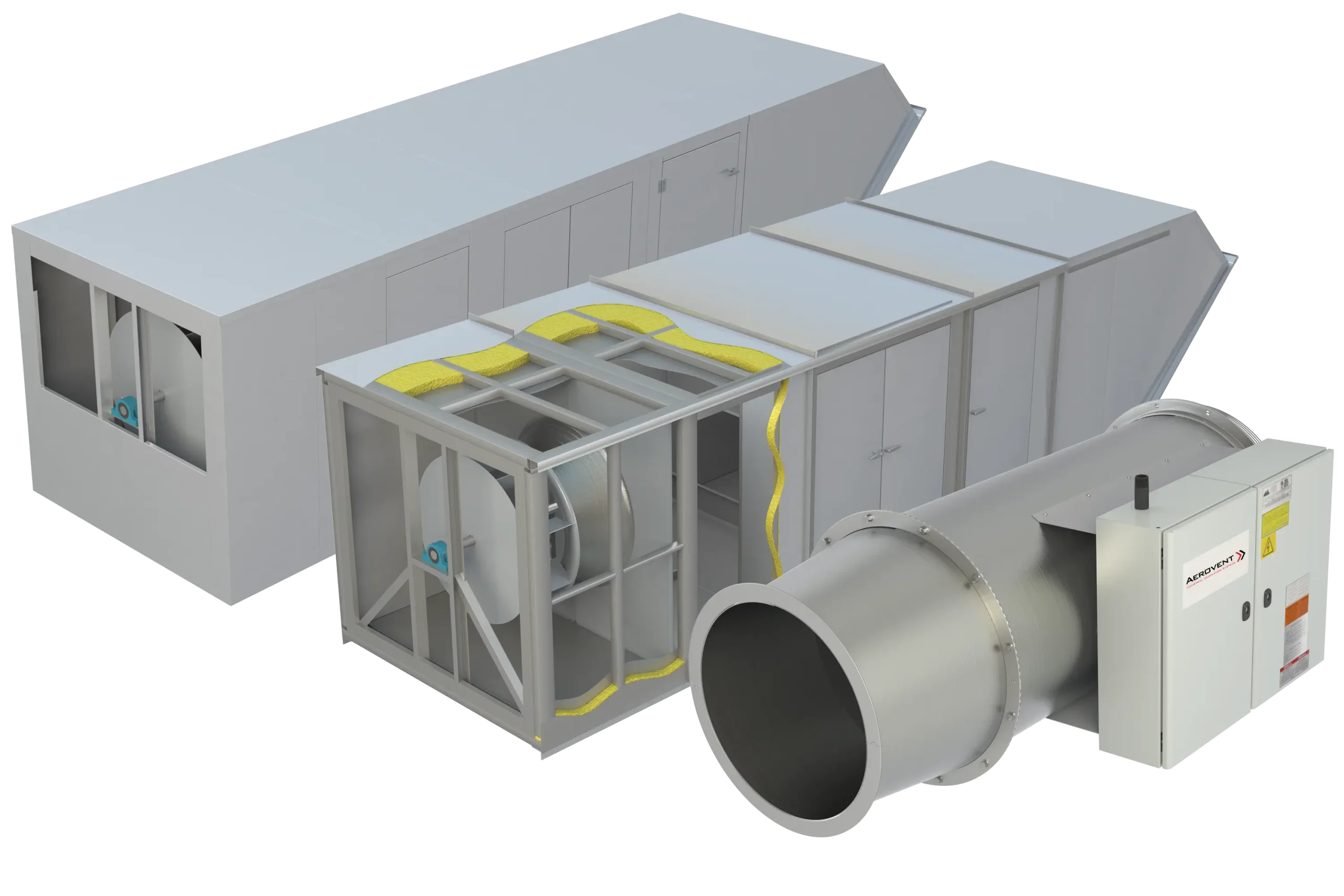



Did you know that something as simple as choosing the right air vent covers can have a significant impact on your home’s energy efficiency, airflow, and overall comfort? These often-overlooked components are key to ensuring your HVAC system performs optimally while elevating the visual appeal of your interiors.
For homeowners seeking better indoor climate control, understanding the benefits and variety of air vent covers is essential. From energy-efficient vent covers to decorative options, there’s no shortage of choices designed to regulate airflow, improve air quality, and complement home design.
This article delves into everything you need to know—from selecting the best materials and styles to installation tips that make a difference. Whether you need functional floor registers or custom designs, investing in the right solution will help you maximize comfort and efficiency.
By the end, you’ll have actionable insights to choose air vent covers that suit your home’s needs, enhance HVAC performance, and bring a stylish touch to any room. Let’s explore your options and transform how you manage airflow.
Air vent covers are essential for managing your home’s airflow, energy efficiency, and style. Below, we summarize the key insights to help you make informed choices and maximize their benefits.
By addressing energy efficiency and functionality alongside design, air vent covers provide a practical and modern solution for home comfort. Explore the article for an in-depth guide to choosing and using the best vent covers for your needs.
Air vent covers are small components in a residential HVAC system, but they have a direct impact on how effectively conditioned air is distributed through a home. When vent covers are poorly sized, damaged, or incorrectly selected, homeowners may experience uneven room temperatures, higher energy use, drafts, or visible aesthetic issues on walls, floors, and ceilings. Addressing vent covers is a straightforward way to improve both comfort and system performance without modifying major HVAC equipment.
From an engineering perspective, every vent cover introduces a certain resistance to airflow, measured as pressure drop, which in turn influences the airflow rate (CFM) delivered to a room. The geometry, free area, blade angle, and material of the cover all combine to affect how much air passes through and how quietly it does so. Matching the vent cover type and specification with the duct system and room requirements helps maintain design airflow rates and temperature control, while also aligning with the homeowner’s interior design expectations.
This guide explains how air vent covers function, the main types and materials available, and how homeowners can choose and install covers that support energy efficiency, airflow control, and interior aesthetics. The focus is on practical decision-making, using simple technical concepts, while avoiding unnecessary complexity intended for HVAC professionals.
Air vent covers are the visible termination points of a ducted HVAC system. They can be located on floors, ceilings, or walls and are designed to either supply conditioned air into a room or return air back to the system. Despite their relatively simple appearance, they play several roles in overall system behavior: directing airflow, controlling volume, protecting duct openings, and forming part of the acoustic and visual boundary between the duct and the occupied space.
The basic functions of air vent covers can be grouped into the following categories:
Even for homeowners, a basic understanding of technical parameters helps in selecting appropriate vent covers:
When homeowners select air vent covers that align with these basic parameters, they reduce the risk of under-supplying air to certain rooms, creating noise, or unintentionally increasing the load on their HVAC system.
Residential vent covers fall into several functional categories, each designed for a specific part of the air distribution process. Understanding the differences helps homeowners know which components can be adjusted for comfort and which should generally remain unobstructed for system balance and efficiency.
Supply registers are located where conditioned air enters the room. They usually include adjustable blades or dampers:
Supply registers directly affect comfort and airflow distribution, so their type and geometry have noticeable impacts on perceived drafts and temperature uniformity.
Return air grilles cover the openings where room air is pulled back into the duct system. Unlike supply registers, they typically do not include adjustable dampers:
Return air covers should remain unblocked. Closing or obstructing return grilles can cause pressure imbalances, reduced efficiency, and potential comfort issues across multiple rooms.
Floor registers are a common type of supply register in many homes:
Decorative air vent covers prioritize appearance while still serving the basic airflow function. They may be used for both supply and return applications:
When choosing decorative covers, homeowners should verify that the airflow opening is sufficient for the room’s design CFM and that the pattern does not excessively restrict airflow.
The material of an air vent cover influences durability, appearance, maintenance needs, and even acoustic behavior. While appearance is often the first consideration for homeowners, aligning material choice with the room environment and usage conditions will yield better long-term performance.
| Material | Typical Applications | Advantages | Limitations |
|---|---|---|---|
| Steel (painted or powder-coated) | General residential use, high-traffic floors, walls, ceilings | High strength, good impact resistance, wide size range, stable shape | Potential corrosion in high-moisture areas if coating is damaged |
| Aluminum | Bathrooms, kitchens, coastal regions, ceilings | Corrosion-resistant, lightweight, suitable for humid spaces | Can deform under heavy point loads on floors, cost higher than plastic |
| Plastic (ABS, PVC) | Ceilings, low-traffic walls, temporary installations | Lightweight, corrosion-proof, cost-effective, easy to handle | Lower mechanical strength, can discolor over time, limited load capacity on floors |
| Wood | Living rooms, bedrooms, decorative floor or wall applications | Warm aesthetic, customizable finishes, good for integrating with wood flooring | Sensitive to moisture and dimensional changes; must avoid high-humidity areas |
Different parts of a home place different demands on vent covers:
From a performance standpoint, durability and corrosion resistance affect both service life and appearance:
Thermal conductivity is less critical for vent covers than for major HVAC components, but metal covers can feel cooler or warmer to the touch, which may matter in certain floor applications. In most homes, the primary criteria remain structural strength, corrosion resistance, and aesthetics.
Air vent covers directly influence how efficiently conditioned air is delivered, how evenly temperatures are maintained, and how quietly the system operates. Careful selection and correct installation help the HVAC system operate closer to its design intent, which can translate into improved comfort and reduced energy waste.
Properly specified vent covers help maintain design airflow to each room:
Directional control and correct vent placement contribute to uniform temperature distribution:
Vent cover design influences noise levels:
Selecting covers with adequate free area and ensuring solid installation can reduce perceived system noise, contributing to a more comfortable indoor environment.
When choosing air vent covers, homeowners should consider a combination of dimensional, functional, and aesthetic factors. The selection process is more effective when it starts with existing duct sizes and desired airflow performance, then narrows down to styles and finishes that fit the interior.
Measurements and compatibility checks should come first:
Appearance should be considered together with airflow criteria:
Long-term ease of cleaning and access is an important selection factor:
Reviewing grille and register options from an organized product range, such as grilles and registers designed for HVAC systems, can help homeowners understand how professional components balance performance and maintainability.
Many vent cover replacements can be managed by homeowners with basic tools. However, correct installation is necessary to avoid creating gaps, air leaks, or mechanical stresses that could produce noise or reduce performance. It is also essential not to modify structural or safety-related elements of the HVAC system during DIY work.
Different mounting locations introduce different considerations:
Avoiding typical mistakes can preserve both system efficiency and comfort:
Air vent covers themselves do not generate savings, but they can support more efficient operation when selected and used correctly. Covers with appropriate free area and low pressure drop help the system deliver design airflow without unnecessary resistance. When airflow is not impeded, the HVAC equipment can reach set temperatures more quickly and cycle off as intended. Conversely, covers that overly restrict airflow may lead to longer runtimes and higher energy consumption.
Fully closing multiple supply registers to “shut off” rooms is generally not recommended. Most residential systems are designed to operate with all vents open. Closing too many vents can:
Moderate adjustment of dampers for fine-tuning comfort is acceptable, but relying on vent closure as a primary energy-saving strategy can create more issues than benefits.
There is no universal “best” material; the optimal choice depends on the location and usage:
Decorative designs with intricate patterns can significantly reduce free area if not properly sized. This can lead to reduced airflow, greater pressure drop, and higher noise levels. When selecting decorative air vent covers, homeowners should:
Vent covers are one component of a larger distribution system that includes ducts, fittings, and main trunks. Their performance is tied to the upstream design. For a high-level understanding of how duct choices interact with terminal devices, homeowners can look at basic air duct and fitting concepts similar to those summarized on resources such as air duct system overviews. While homeowners typically will not redesign ducts themselves, recognizing that vent covers form the final link in this chain encourages more informed selection and use.
Air vent covers are small but important elements in a home’s HVAC system. They direct airflow, influence noise, protect duct openings, and shape the visible appearance of supply and return points. When chosen with both performance and aesthetics in mind, they can support better comfort and help the HVAC system operate closer to its intended design.
A practical decision framework for homeowners can be summarized as follows:
By following this sequence, homeowners can make informed, practical decisions that improve comfort and aesthetics while supporting the underlying HVAC system’s efficiency and longevity.
While many vent cover replacements are straightforward, certain situations justify professional input. Examples include persistent comfort imbalances between rooms, noticeable system noise after changing covers, or visible signs that duct openings are misaligned, damaged, or undersized. In such cases, an HVAC professional can assess whether the issue relates solely to vent covers or whether duct modifications, balancing, or equipment adjustments are required.
For homeowners planning broader upgrades or working with contractors on renovations, reviewing structured product categories such as HVAC grilles, registers, and related components can assist in aligning residential choices with proven system components used in more demanding applications. Providing professionals with room layouts, vent locations, and preferences for materials and finishes helps them specify covers that meet both performance and design objectives.
Combining informed homeowner decisions with professional HVAC guidance where needed offers the most reliable path to improved comfort, energy-conscious operation, and visually integrated vent solutions throughout the home.
Selecting the appropriate air vent covers requires a balance of functional parameters, aesthetic considerations, and compatibility with the existing HVAC system. Proper sizing, material selection, and airflow characteristics play critical roles in maintaining system efficiency, comfort levels, and durability. Engineers and contractors must consider the interaction of vent covers with pressure drop, airflow distribution, and noise control when specifying components for residential installations. Leveraging professional expertise ensures that these elements align seamlessly with overall system objectives, enabling optimized performance and user satisfaction.
For complex requirements or system-wide adjustments, consulting an HVAC professional ensures alignment with technical and aesthetic goals.