Need Specifications or a Quote?
Share your ventilation project requirements and our engineers will reply within 12 hours with technical specs, pricing, and lead time.


Dusty air duct vents might be hiding in plain sight, but their impact on your home’s indoor air quality and HVAC efficiency is anything but invisible. From reduced airflow to unpleasant odors, ignoring these vents can lead to higher energy consumption and costly repairs. Thankfully, keeping them clean doesn’t have to involve professional services every time.
This guide is tailored to homeowners looking for simple, actionable steps to improve their ductwork system performance while maintaining healthier indoor air. You’ll learn how to identify signs of dirty vents, equip yourself with the right tools, and execute effective cleaning methods—all designed to save you money and boost your HVAC system’s longevity.
Ready to make your home more breathable and sustainable? Let’s explore easy strategies for air duct vent cleaning, preventive maintenance, and recognizing when it’s time to call in the professionals.
Maintaining clean air duct vents is essential for enhancing indoor air quality, optimizing HVAC system efficiency, and preventing costly repairs. Most homeowners overlook preventive maintenance, which can significantly reduce reliance on professional services. Below are the key takeaways to help you manage air duct vent cleaning at home.
Achieving clean air duct vents doesn’t have to be overwhelming. With these practical steps, homeowners can maintain airflow efficiency while minimizing reliance on professional services. In the following sections, we’ll delve deeper into DIY techniques, professional cleaning scenarios, and maintenance schedules to help you make the most of your HVAC system.
Dirty air duct vents can negatively impact both your HVAC system’s efficiency and the indoor air quality in your home. It’s essential to recognize early warning signs so you can address the issue promptly. Here’s what to look for:
By being vigilant about these symptoms, you can decide when to clean your air duct vents and ensure that your HVAC system functions efficiently.
Cleaning your air duct vents doesn’t require professional tools in most cases, but having the right equipment will make the process much more effective. Below is a list of essential items:
Consider investing in a specialized air duct cleaning tool or extendable brushes for better access to hard-to-reach areas. For deeper cleaning projects, visit our Top HVAC Ductwork Supplies collection for high-quality equipment.
Before starting, switch off your HVAC system to prevent debris from circulating through your home. This ensures that no new dust enters the vents while you’re cleaning.
Using a screwdriver, carefully remove the vent covers. Wash the covers in warm, soapy water to dislodge any grime. Allow them to air dry completely before reinstallation.
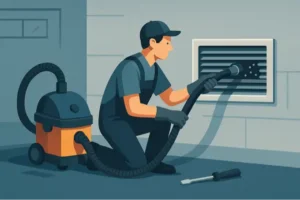
Attach the hose extension to your vacuum and insert it into the duct as far as it can go. Move the hose around to collect loose debris and dust buildup. For stubborn dirt, use a brush attachment to loosen it before vacuuming.
Using a microfiber cloth dampened with a cleaning solution, wipe down the reachable areas inside the duct. Avoid using excessive water to prevent moisture from building up, which could lead to mold growth.
Once the vent covers are dry, reinstall them securely. Turn your HVAC system back on and check for improved airflow. If the airflow remains weak, consider consulting a professional for a full duct system cleaning.
Replacing air filters every 1-3 months is one of the easiest and most effective ways to maintain clean air duct vents. Clean filters capture dust and allergens before they enter the ductwork, reducing buildup overall. For expert recommendations on filter types, visit our Air Duct Material Selection Guide.
Incorporate vacuuming vent covers into your monthly cleaning routine. This quick step prevents surface dust from accumulating and entering deeper into the ducts.
Inspect the edges of your vents for leaks or gaps, which can allow dirt and contaminants to enter your ductwork system. Use caulk or tape to seal any cracks, improving airflow efficiency and extending the cleaning cycle.
Ensure that your HVAC system is balanced and functioning optimally. Proper airflow reduces pressure on the ductwork system, preventing excess dust accumulation. Review our article on Sizing Air Ducts for Maximum Velocity and Efficiency for guidance.
While DIY cleaning can handle light maintenance, certain situations require professional expertise for a thorough clean. Here are examples:
If you suspect that your system needs professional attention, explore our trusted Air Duct Maintenance Tips for further insights.
While DIY cleaning can manage surface dust and minor issues, professional cleaning brings advanced tools and expertise to clean deeper areas. Here’s a comparison to help you decide which option suits your needs:
| Aspect | DIY Cleaning | Professional Cleaning |
|---|---|---|
| Cost | Very low | Moderate to high, depends on service scope |
| Effectiveness | Limited to surface dust and debris | Thorough, reaches every part of the duct system |
| Tools Required | Simple household tools | Specialized commercial-grade equipment |
| Time Commitment | Quick, usually under 2 hours | Varies depending on house size |
We recommend professional services for major issues or if it’s been over 3 years since your last duct system cleaning. If you’re ready to enhance your ducts and fittings, explore our lineup of Spiral Duct and Fittings.
Maintaining clean air duct vents is vital for optimizing HVAC performance and ensuring that your home enjoys high indoor air quality. As highlighted throughout the article, recognizing signs of dirt or blockages, utilizing the right tools, and following clear cleaning steps can help you extend the life of your duct system while enhancing airflow efficiency. Whether you choose to clean your air vents yourself or seek professional expertise, understanding these essentials sets the foundation for healthier and more comfortable living conditions.
Proactive maintenance is the key to reducing cleaning frequency while safeguarding the air you and your family breathe. Regular practices such as replacing air filters promptly, vacuuming vents, and sealing leaks around duct openings minimize debris accumulation. These actions not only improve energy efficiency but also reduce unnecessary strain on your HVAC system, preventing costly repairs or premature replacements. For additional advice on innovative maintenance techniques, browse our Air Duct Maintenance Tips.
While a DIY approach is suitable for routine cleaning, professional intervention is indispensable for deeper issues like mold, pest infestations, or persistent airflow problems. Professional services employ advanced tools and techniques that go beyond surface care, thoroughly addressing hidden contaminants inside your air duct system. For minor tasks involving light debris or dust, DIY cleaning offers an accessible and cost-effective solution. If you’re unsure of which option works best for your situation, compare our insights on Spiral Duct and Fittings to create a balanced strategy.
As you move forward, incorporating regular preventive measures is the most practical way to extend intervals between thorough cleanings. Establishing a consistent schedule for tasks like filter replacements, vent vacuuming, and sealing gaps ensures your system remains efficient and builds long-term sustainability for your HVAC infrastructure. Small efforts in everyday maintenance will pay off in the form of reduced energy bills and improved air quality.
Remain vigilant for more serious issues that demand professional solutions. Persistent airflow challenges, noticeable mold growth, or odors serve as indicators that your current efforts may need reinforcement from specialized services. Don’t overlook the importance of seeking professional help when DIY efforts fall short; doing so addresses root causes of deeper problems swiftly. Explore our Air Duct Material Selection Guide for informed choices regarding ducts and filters that promote reliable indoor comfort.
Clean air duct vents are an investment in your home’s efficiency, air quality, and overall comfort. Regular attention to these components ensures you enjoy reliable HVAC performance, reduced utility costs, and improved health. By recognizing the signs of dirty vents, utilizing proper tools, and implementing both cleaning and preventive measures, you can protect both your HVAC system and your family’s well-being.
If you are ready to elevate your ductwork maintenance practices and access high-quality material solutions, don’t hesitate to explore BromingHVAC’s Top HVAC Ductwork Supplies and other resources. Take control and create a cleaner, healthier home environment today!


