Need Specifications or a Quote?
Share your ventilation project requirements and our engineers will reply within 12 hours with technical specs, pricing, and lead time.
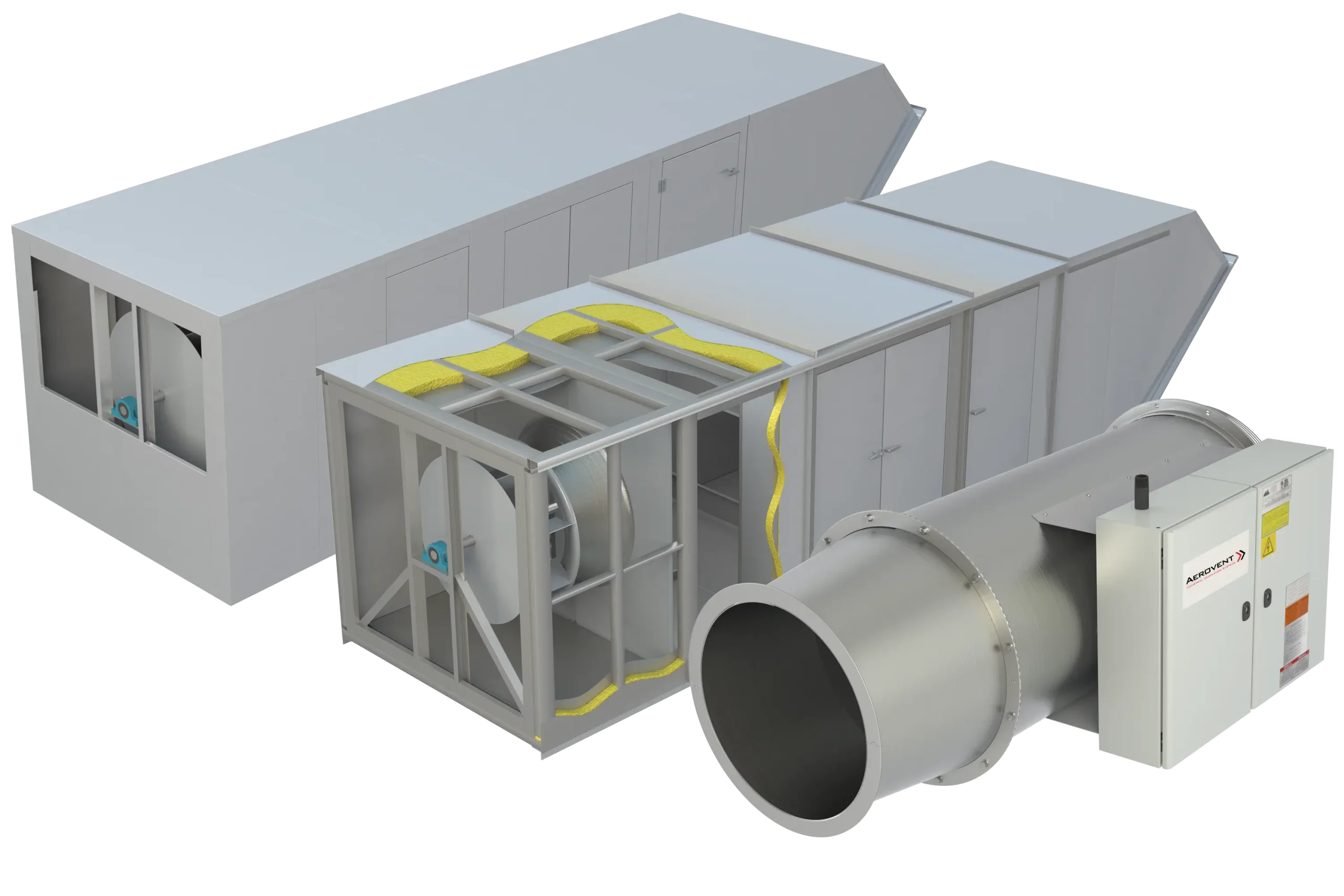



Your HVAC system depends on durable, high-performance ductwork to keep air flowing efficiently. Whether it’s a residential renovation or a commercial installation, sourcing the right sheet metal ductwork supply near me can make or break your project. But how do you navigate the world of local suppliers, wholesale distributors, and manufacturers, each with their own pricing models, service offerings, and product advantages?
Choosing the best supplier involves more than finding the nearest distributor. Local providers often excel in fast delivery and personalized service, perfect for smaller or urgent jobs. Wholesale HVAC sheet metal suppliers, on the other hand, are known for cost savings on bulk orders, while direct manufacturers provide customized options built to your exact specifications. Understanding these differences is crucial to maximizing project outcomes and streamlining your sourcing process.
This guide breaks down how to evaluate supplier quality, compare service offerings holistically, and balance cost-efficiency with reliability. Whether you’re looking for premium air duct systems, grilles and registers, or custom-made spiral ducts, you’ll gain actionable insights to confidently choose the right partner for your HVAC needs.
When scouting for sheet metal ductwork supply near me, it’s essential to understand the different purchasing options available, including local suppliers, wholesale distributors, and manufacturers. These options each come with unique benefits, price points, and service offerings, which must be carefully evaluated to ensure the best fit for your project. Below are key takeaways to guide your decision-making process effectively.
Understanding the differences between local suppliers, wholesale distributors, and manufacturers is crucial to making an informed choice in the search for sheet metal ductwork supply near me. In the sections that follow, we’ll dive deeper into evaluating supplier quality, navigating pricing, and making the most of your purchasing relationships to optimize your sourcing strategy.
When you search for sheet metal ductwork supply near me, you are usually dealing with three main categories of providers: local suppliers, wholesale distributors, and manufacturers or custom fabricators. Each plays a different role in the HVAC supply chain and serves different project needs, cost structures, and timelines.
Local ductwork suppliers and HVAC counter shops are often the first place contractors turn when they ask, “Where can I buy sheet metal ductwork locally?” These suppliers typically stock common sizes of galvanized duct, elbows, reducers, and transitions, along with accessories like grilles, registers, dampers, and fans.
For projects that require off‑the‑shelf duct components, local counter sales can be efficient and predictable. Many local suppliers mirror the variety you can find online in collections such as the Air Ducts category, where standard round, rectangular, and specialty duct systems are organized by type and application.
Local shops are also a practical source for related HVAC components. For example, if you are picking up duct sections, you may also need registers and accessories similar to those found in the grilles and registers collection or return grilles for return air pathways. Having all those items in one local stop can reduce trips and coordination overhead.
However, the convenience of local ductwork suppliers is offset by limitations in inventory depth and customization. Specialty shapes or large-batch orders may not be available on the shelf and will require special order, often sourced from regional manufacturers or custom shops anyway. This is where HVAC sheet metal suppliers that operate at wholesale or manufacturing scale come into play.
Wholesale distributors are the backbone of larger commercial projects where volume, consistency, and pricing structures matter. Many contractors searching for “sheet metal ductwork supply near me” end up working with regional or national wholesalers that maintain warehouses of duct and fittings ready for shipment.
These distributors work similarly to online platforms like the Shop at BromingHvac, where a broad range of HVAC products can be procured in one place. For ducted systems, wholesalers often bundle duct, fans, dampers, and terminals into complete packages. You might, for example, order primary ductwork similar to products found under Air Ducts, then add accessories like axial fans or fire smoke dampers as part of a single bill of materials.
Wholesale distributors are particularly suited to:
While wholesalers often deliver better pricing per unit than small local counters, they may have stricter order minimums and longer lead times, especially on custom duct fabrication supply. That leads directly to the final category: manufacturers and custom sheet metal ductwork fabricators.
Manufacturers and dedicated custom sheet metal ductwork fabricators are indispensable for projects that step outside standard configurations. These shops handle custom transitions, complex geometries, heavy gauges, special coatings, and performance-critical duct systems such as double-wall, acoustically lined, or high-pressure ductwork.
For example, if your specification calls for acoustically treated rectangular duct sections resembling the double wall rectangular duct category, a manufacturer-level supplier is often the most appropriate source. Similarly, when architects require space-saving elliptical systems that mimic the geometry of flat oval duct and fittings, custom fabrication is usually necessary to match exact dimensions and clearance constraints.
Comprehensive metal shops that resemble the capabilities of custom metal fabrication providers can go further, delivering one-off plenums, rooftop curbs, or structural support elements that integrate seamlessly into your duct layout. This is especially useful for retrofits in tight mechanical rooms, where standard sizes simply do not fit.
Choosing between these supplier types is rarely an either-or decision; large contractors often mix local suppliers, wholesalers, and manufacturers on the same project. The next section explores how local sheet metal supply compares in practice to regional and national options.
Once you map the types of suppliers, the strategic question becomes: How do local sources compare with regional or national supply partners when you are looking for sheet metal ductwork supply near me? The answer involves cost, lead time, risk, and support.
Local shops often win on agility, while larger distributors and manufacturers dominate on scale. Understanding this trade-off helps you decide when local ductwork suppliers are sufficient and when you should step up to wholesale or manufacturer-direct relationships.
| Criteria | Local Suppliers | Wholesale Distributors | Manufacturers / Fabricators |
|---|---|---|---|
| Typical Pricing | Higher per piece, low or no minimums | Lower per unit, volume discounts | Best for large runs or custom lines |
| Lead Times | Same-day or next-day for stock items | 1–5 days for stocked items; longer for specials | Varies: days to weeks, depending on complexity |
| Customization | Limited; some light modifications | Moderate; access to multiple brands and SKUs | High; full custom duct and fittings |
| Best Use Case | Emergency replacements and small jobs | Standardized commercial projects | Complex or high-performance systems |
For example, a mid-size contractor in the Southeast managing a 120,000-square-foot commercial office build-out used a combination of sources: local shops for emergency add-ons and change orders, a regional distributor that supplied most spiral duct similar to spiral duct and fittings, and a specialized fabricator to produce double-wall sections comparable to double wall rectangular duct for sound-sensitive conference rooms.
By mixing these channels, they maintained schedule while still negotiating favorable pricing on bulk items. That blended approach led to a documented 14% material cost reduction and eliminated two weeks of potential schedule slippage caused by late design changes.
There are several scenarios where a local supplier or a nearby shop that feels like “sheet metal ductwork supply near me” is the optimal choice.
First, for urgent repair or replacement work, your primary goal is uptime, not perfect optimization of cost. If a supermarket loses cooling in a critical aisle or a data room needs immediate airflow correction, you may need rectangular duct pieces similar to rectangular duct and fittings or return components such as return grilles within hours, not days. Local sources can make or break your response time.
Second, in tight urban projects where jobsite storage is constrained, being able to pull small batches of duct and fittings daily from a nearby source is more practical than receiving large palletized shipments. In these cases, having a supplier that feels like an extension of your staging area is invaluable.
Third, local suppliers are particularly helpful in early-stage design-build projects, where you may want to test-fit sample components, such as specialty diffusers, grilles, and registers that resemble the items under grilles and registers, before approving standard selections for the entire project.
On the other hand, larger projects with predictable schedules and standardized designs typically benefit from regional or national partners. If you have multiple commercial sites to equip with similar duct types you would see in Air Ducts plus accessories like axial fans and fire smoke dampers, locking in a program-level agreement with a distributor or manufacturer can stabilize pricing and availability.
For instance, a mechanical contractor serving a national retail chain standardized on spiral systems similar to spiral duct and fittings with flat oval runs inspired by flat oval duct and fittings for low-clearance sales floors. By contracting directly with a regional manufacturer using a programmatic pricing model, they reduced average material costs by 18% and cut change-order premium charges by 30%, thanks to predictable lead times and configuration options.
Once you understand these strategic trade-offs, the next step is learning how to verify that any potential supplier—local or regional—can actually deliver the quality and consistency your projects require.
The question “How do I verify the quality of sheet metal ductwork?” sits at the core of choosing a reliable supplier. Whether you are sourcing from local HVAC sheet metal suppliers or a national manufacturer, poor-quality duct will cost you in leakage, rework, and long-term performance issues.
Start by verifying that a prospective supplier’s products meet recognized industry standards. For commercial work, this often means compliance with SMACNA guidelines, relevant ASHRAE recommendations, and applicable building and mechanical codes.
Key specifications to confirm include:
slip and drive, TDF/TDC flanges, or spiral lockseam construction for round duct like that in spiral duct and fittings.Request cut sheets or technical documentation that mirrors the clarity found on well-documented product pages such as rectangular duct and fittings or flat oval duct and fittings. A reputable supplier should be able to provide these without delay.
Material quality is only half the picture; workmanship determines the actual performance of your ductwork in the field. Examine sample pieces—either in person at a local shop or via shipped mock-ups from regional manufacturers.
Look for tight seams, clean connections, and consistent dimensions. Check that fittings such as elbows, reducers, and transitions maintain flow-friendly shapes without kinks or abrupt cross-section changes. In applications requiring high sealing performance, you should confirm compliance with specified duct leakage classes and sealant standards.
Suppliers who produce high-performance duct for use with advanced terminal equipment and components similar to fire smoke dampers or precision air terminals must maintain consistent dimensional tolerances. Any misalignment increases install time in the field and can compromise fire and smoke compartmentalization.
Expert note: Before awarding significant business to an unfamiliar supplier for sheet metal ductwork supply near me, conduct a one-off trial order on a smaller project. Measure actual leakage rates, fit quality, and installation labor hours versus your normal benchmark. A 5–10% increase in install time quickly erodes any apparent material cost savings.
Reliable HVAC sheet metal suppliers should be able to explain their quality control procedures. Ask them:
If they also fabricate components similar to custom metal fabrication products, confirm that those processes follow the same quality regime. In larger projects, consider suppliers whose processes resemble the structured product offerings in organized collections such as Shop, where each item has clear specifications and use cases.
A disciplined approach to quality evaluation will help you narrow your list of prospective partners. The next logical step is figuring out how to balance pricing, service, and reliability when picking among those candidates.
Finding the right sheet metal ductwork supply near me requires more than comparing quoted per-foot prices. For commercial projects, service reliability, delivery logistics, and technical support often matter just as much, if not more, than base material cost.
It is tempting to award business on the lowest quote for duct and fittings similar to those listed in the Air Ducts collection. However, a more robust evaluation model considers total installed cost, which includes:
A national contractor that shifted 60% of its duct procurement to a supplier that seemed 7% cheaper on paper discovered that order errors and lead time misses increased install costs so much that their overall project margins dropped by 2.5%. After implementing a scored supplier evaluation matrix that included error rates, on-time delivery, and support responsiveness, they shifted back to a slightly more expensive supplier and recovered roughly $1.2M in annual profit.
Logistics considerations are particularly important when a project spans multiple phases or buildings. When assessing potential partners, investigate:
These factors should be weighed along with material pricing, since inefficient delivery can erode any upfront savings. Suppliers whose organization mirrors the clarity and categorization you see on sites like BromingHvac tend to have better internal logistics and stock management as well.
Once you have identified quality suppliers capable of serving your logistical needs, it is time to negotiate terms. HVAC contractors often overlook the leverage they have when they can standardize on product families similar to those in the Shop catalog, such as families of rectangular duct and fittings, spiral duct and fittings, and related accessories.
For programs that aggregate multiple projects, explore:
Negotiation tip: Bring hard data to the table—annual footage of each duct type, typical order size, and project pipelines. Contractors who quantify their demand often unlock 3–5% additional discount and improved lead-time guarantees compared with ad hoc buyers.
With commercial terms in place, your focus naturally shifts from a one-time transaction to fostering a long-term partnership that continues to deliver value over multiple jobs.
Even when your first priority is finding sheet metal ductwork supply near me for an immediate project, the most profitable contractors think in terms of multi-year relationships. Long-term partnerships with high-performing HVAC sheet metal suppliers reduce risk, improve predictability, and enable you to bid more confidently.
One effective approach is to track objective performance data using a simple supplier scorecard. For each supplier—whether they are local ductwork suppliers, distributors, or custom fabricators—track metrics such as:
Review these scorecards quarterly or semiannually with your key suppliers. Shared data makes it easier to work collaboratively on improvements, such as better labeling of parts, packaging optimization, or pre-kitting of assemblies.
Effective coordination is crucial for large commercial projects that integrate ductwork with fans, grilles, dampers, and terminal devices. While your main focus might be duct, you will often order accessories similar to axial fans, fire smoke dampers, and face components such as return grilles from the same or adjacent vendors.
To streamline communication:
Contractors who embed suppliers early in preconstruction often discover design simplifications, such as shifting from rectangular to spiral systems similar to spiral duct and fittings in open ceilings, which can cut both material and labor costs while improving aesthetics.
High-quality suppliers are not just fulfillment centers; they are also a resource for design optimization and constructability feedback. Ask them about:
One design-build firm reported that by collaborating closely with a ductwork manufacturer early in design, they converted 40% of their originally specified rectangular trunk lines to spiral equivalents similar to those in spiral duct and fittings. This change resulted in a 20% reduction in installation labor and a 12% decrease in material cost, amounting to approximately $5M in savings across a multi-building campus project.
As your firm grows, your needs evolve from a single urgent search for “where to buy sheet metal ductwork locally” into an ongoing demand pipeline. Align your future growth plans with suppliers who demonstrate the infrastructure and product breadth to scale alongside you.
Suppliers with catalogs and product organization resembling comprehensive platforms like BromingHvac—where core duct, fans, dampers, and air distribution components are all accessible through structured collections such as Air Ducts and Shop—tend to adapt more easily as you take on larger and more complex projects.


