Need Specifications or a Quote?
Share your ventilation project requirements and our engineers will reply within 12 hours with technical specs, pricing, and lead time.
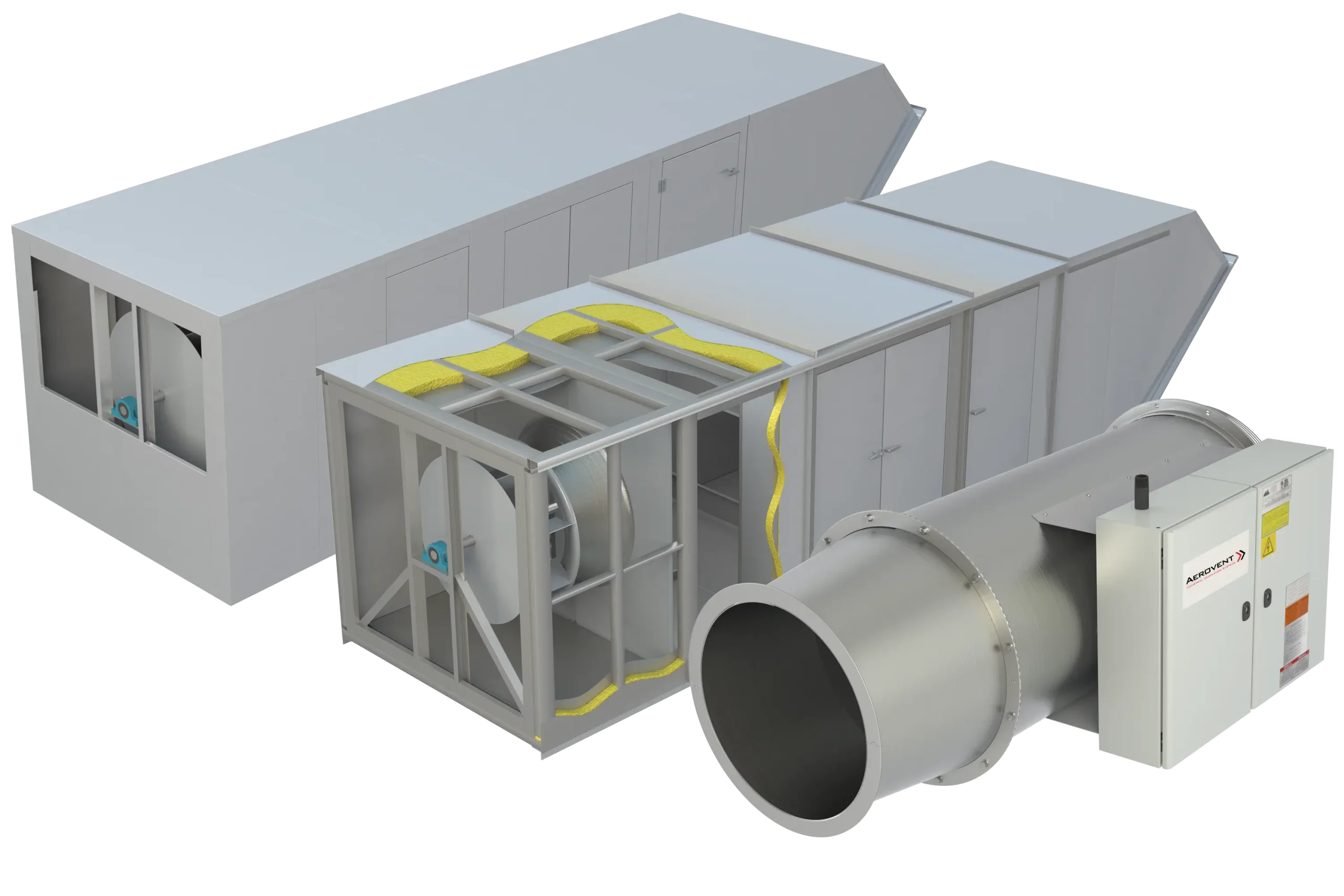



In HVAC systems, air ducts are responsible for delivering conditioned air throughout a building. The stability of airflow, the efficiency of air distribution, and the long-term operating cost of the system all depend on the quality of the ductwork. While sheet metal ducts may appear simple from the outside, their fabrication involves precise engineering decisions, material control, and careful installation practices. A well-made duct system can reduce energy consumption, prevent noise issues, and ensure consistent comfort across all zones of a building.
Understanding how sheet metal ducts are manufactured provides valuable insight into why fabrication quality is more than just a production task—it is a key determinant of HVAC system performance. From drawings and modeling to material selection, forming, assembly, finishing, testing, and installation, each stage influences how the system will perform in the field.
The fabrication process begins with the interpretation of HVAC design drawings. MEP consultants specify duct routing, airflow values, system pressure classes, and space allocations. However, design drawings are often conceptual and require translation into fabrication-ready models.
Fabricators convert consultant drawings into shop drawings that define:
In large projects, BIM (Building Information Modeling) is used to coordinate ducts with structural, plumbing, and electrical systems to avoid conflicts during installation.
Reference: Air Duct Systems
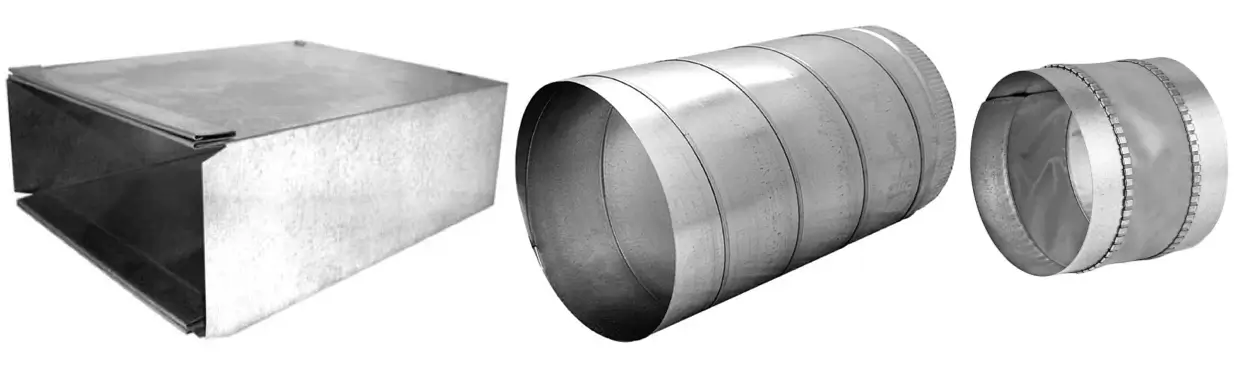
The performance and durability of duct systems depend heavily on the materials selected. Common materials include galvanized steel, stainless steel, and aluminum. Material selection is influenced by the operating environment, corrosion exposure, hygiene requirements, and structural performance needs.
Thickness is selected based on duct size and static pressure class. Material traceability ensures that sheet metal comes from verified sources with documented coating thickness and mechanical properties.
Reference: Custom Metal Fabrication
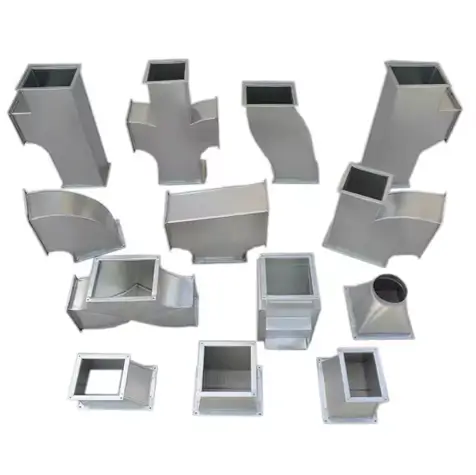
Once materials are prepared, sheet metal is cut into panels or strips for forming. Highly automated fabrication facilities use CNC plasma or laser cutting machines to ensure precise dimensions. Accurate cutting reduces misalignment and air leakage during assembly.
Rectangular ducts are formed using bending machines that fold sheet metal into panels. Panels are then locked together using seam joining processes. Consistency in panel shape ensures that ducts install smoothly and align at joints.
Reference: Rectangular Duct and Fittings
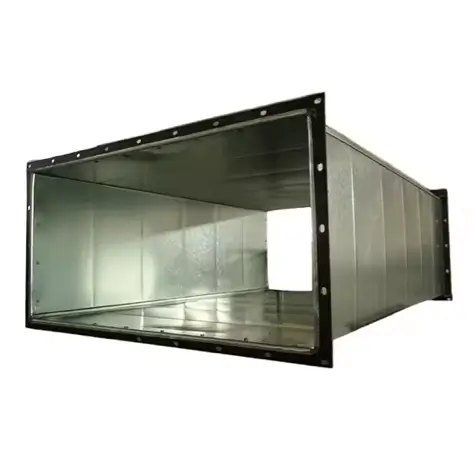
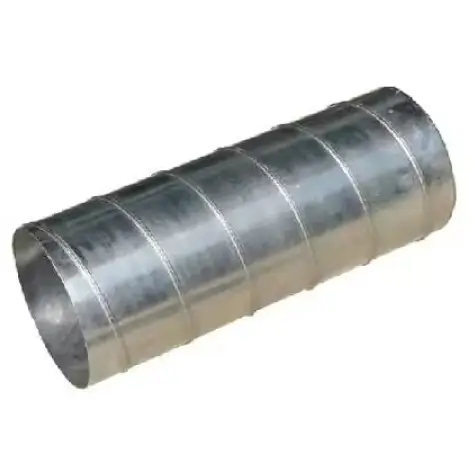
Spiral ducts are formed by wrapping a continuous metal strip into a cylindrical shape with a mechanically locked seam. This process creates ducts with high structural rigidity and low leakage potential.
Reference: Spiral Duct and Fittings
Fabrication tolerances ensure proper fitment during installation. Even small deviations can lead to:
The method of joining duct segments affects system leakage, energy efficiency, and structural stability. Flange systems and joint types are selected based on pressure class and duct size.
Rectangular ducts require stiffeners to prevent deflection when exposed to internal pressure. Reinforcement is based on duct size and pressure rating standards.
Sealed joints maintain airtightness. Gasket materials are selected depending on temperature, humidity, and hygiene considerations.
Poor assembly increases leakage, forcing fans to operate at higher speeds, resulting in increased energy consumption and noise.
Surface treatment prevents corrosion and extends the service life of duct systems.
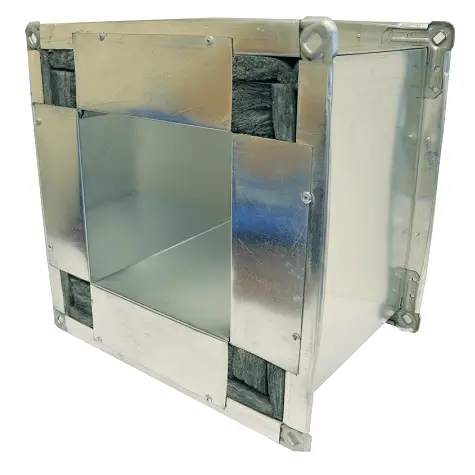
Depending on temperature differentials and acoustic requirements, ducts may require insulation. Insulation may be applied externally or built into double-wall duct construction.
Ducts must be tested to ensure compliance with project specifications and industry standards.
Reliable QC reduces rework, prevents imbalance, and ensures efficient commissioning.
Fabricated duct sections are labeled and packaged for transportation. Installation planning ensures that sections arrive in the order required for assembly sequences.
Final checks confirm airflow rates, pressure balancing, and noise performance. Effective commissioning ensures the system performs as designed.
High-quality duct fabrication ensures stable airflow, reduced energy loss, efficient installation, and long-term durability. Every step—from modeling and material selection to cutting, assembly, finishing, testing, and installation—affects the system’s lifetime performance. When fabrication is treated as an engineered process rather than basic sheet metal work, HVAC systems achieve reliable, quiet, and efficient performance.
If you have project drawings, specifications, or system coordination requirements, our engineering team can assist with fabrication planning and implementation.


