Need Specifications or a Quote?
Share your ventilation project requirements and our engineers will reply within 12 hours with technical specs, pricing, and lead time.
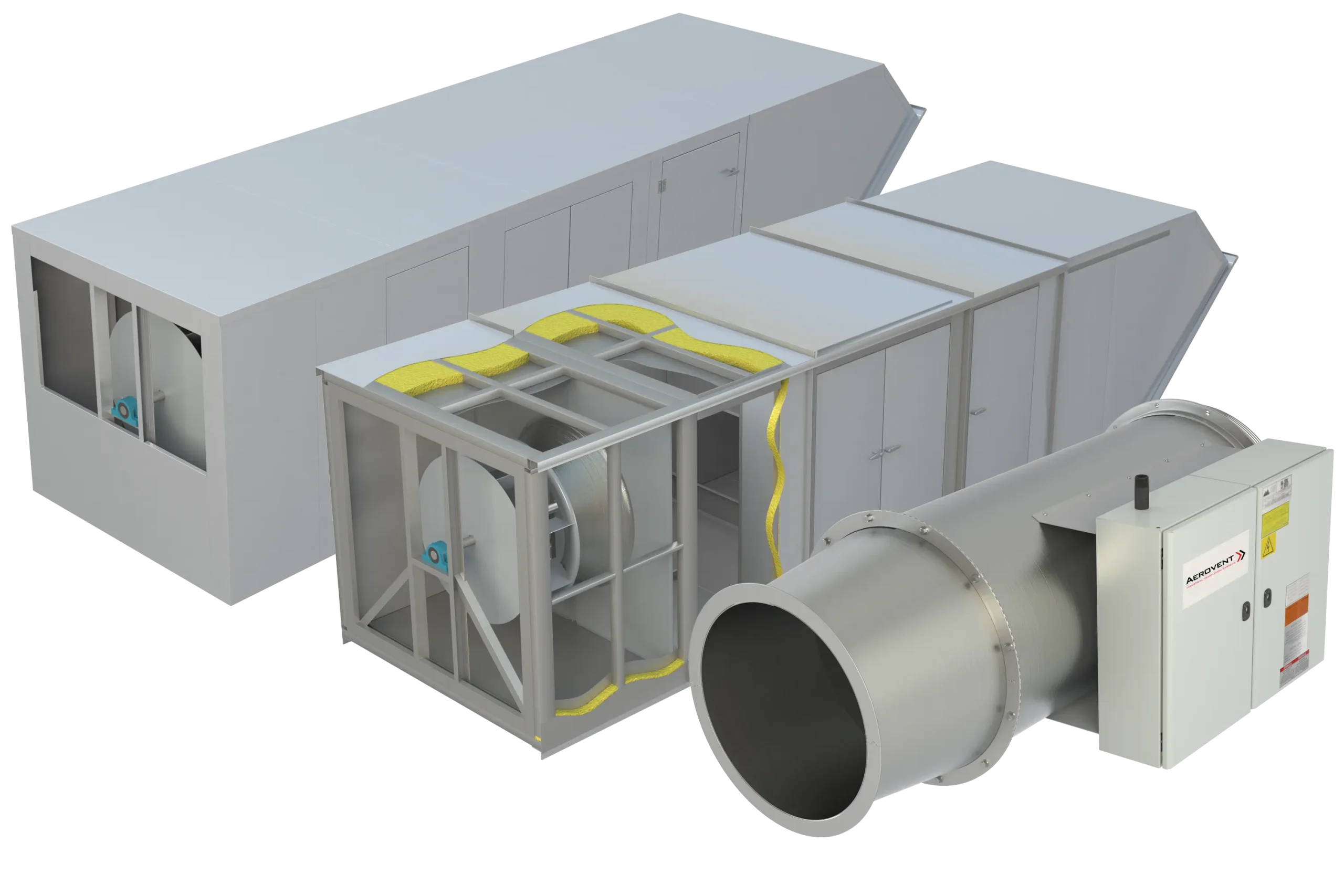


HVAC fans for project requirements
Compare axial, centrifugal, inline duct, mixed flow and customized fans for commercial, industrial and infrastructure ventilation.
Start with the conditions you know: airflow, static pressure, application, installation space or an existing model.
Fan portfolio
Compare the main fan types, then share your duty point and installation conditions for a project-specific review.
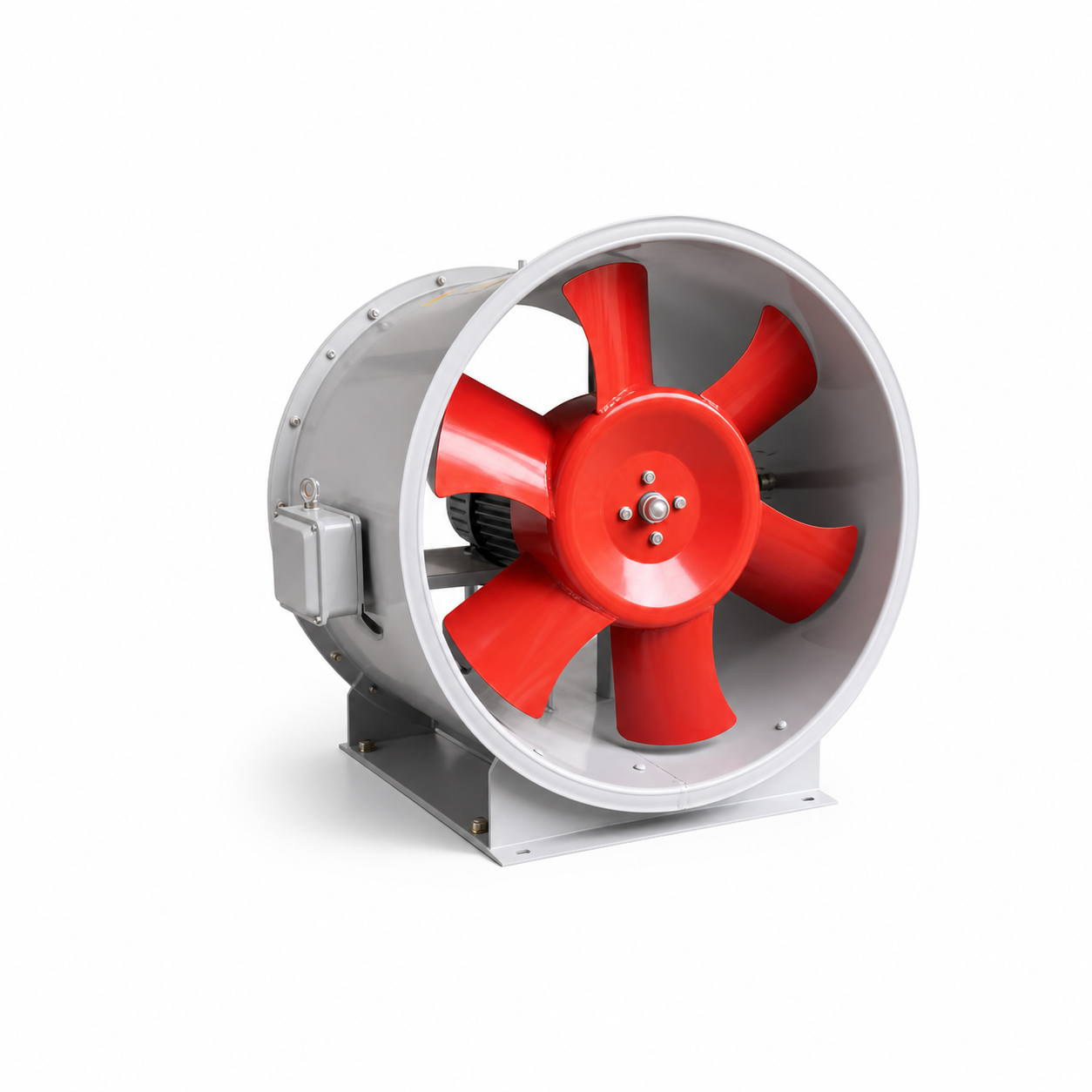
For ventilation, exhaust and smoke extraction where air moves along the fan axis.
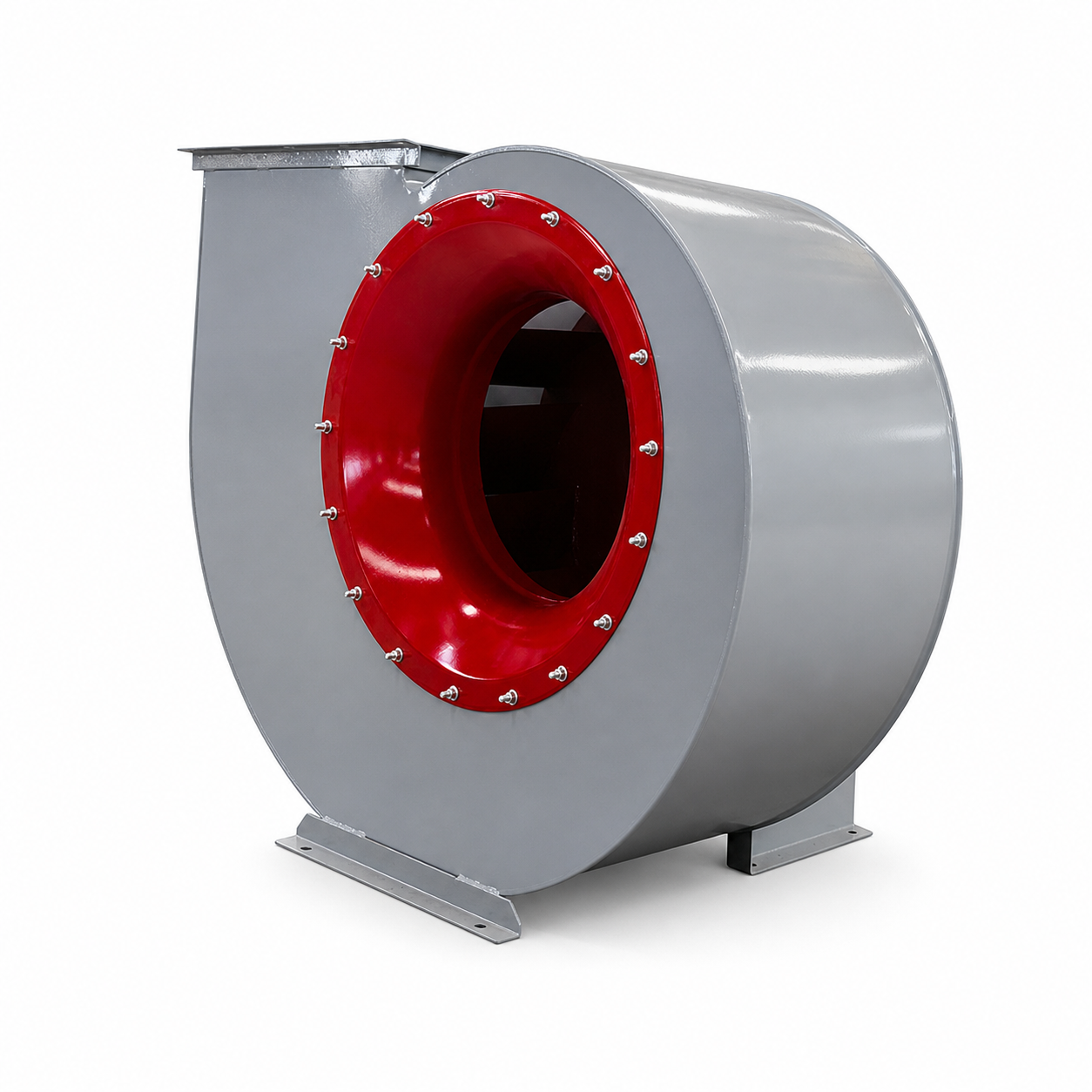
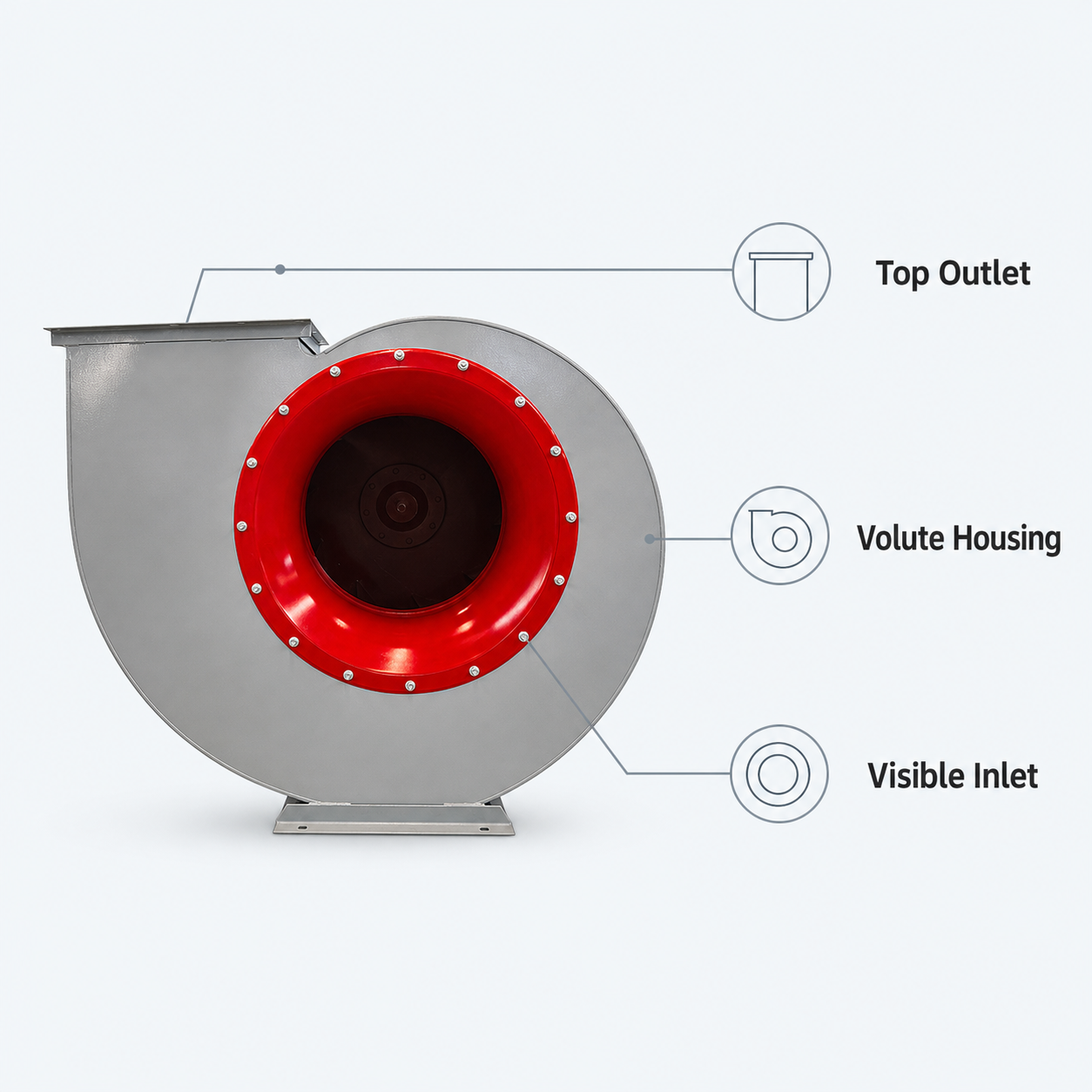
Discuss axial fan requirementsFor duct systems and applications where pressure and controlled air movement matter.
Discuss centrifugal fans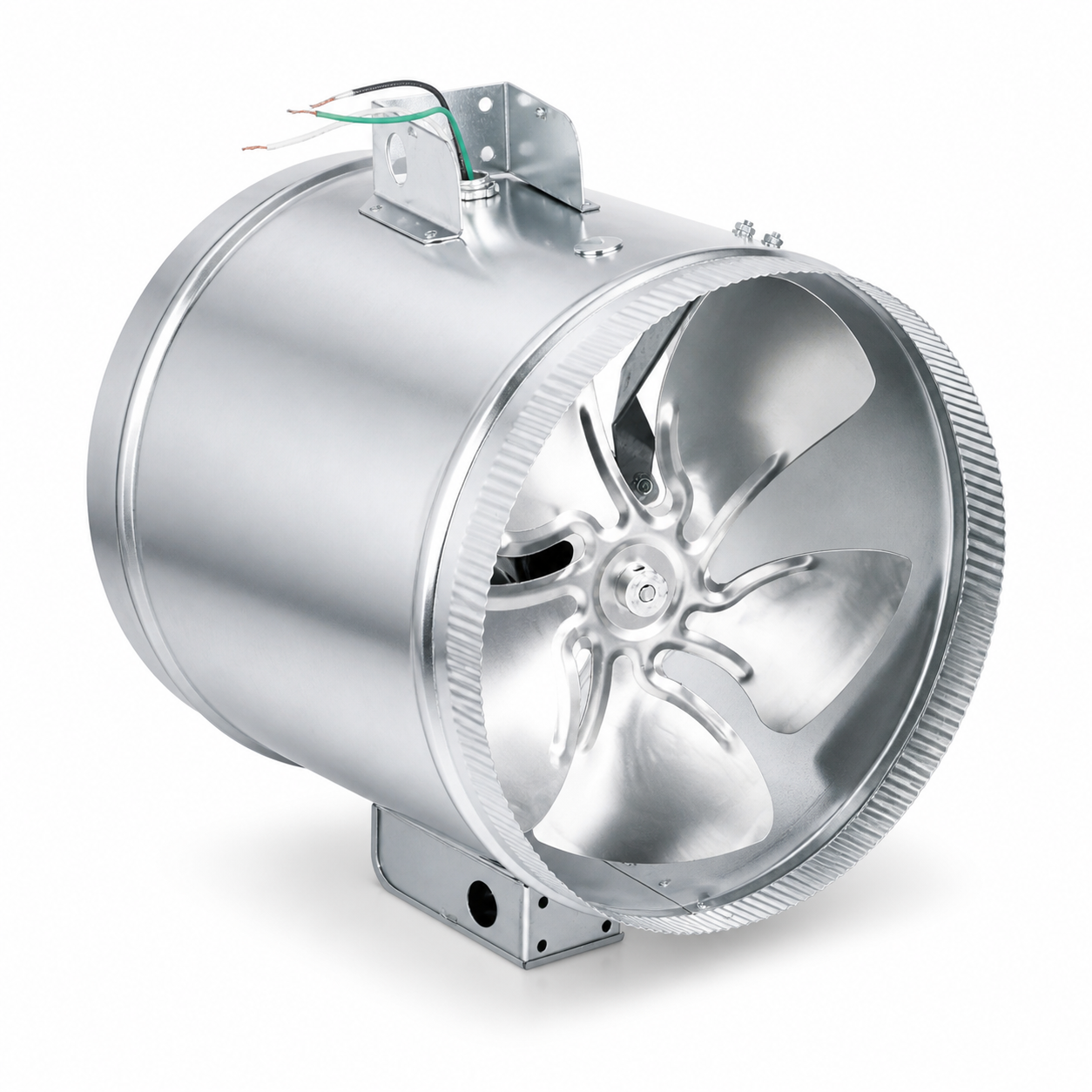
Compact fan options for ducted systems where diameter, space and service access shape the fit.
Discuss inline duct fans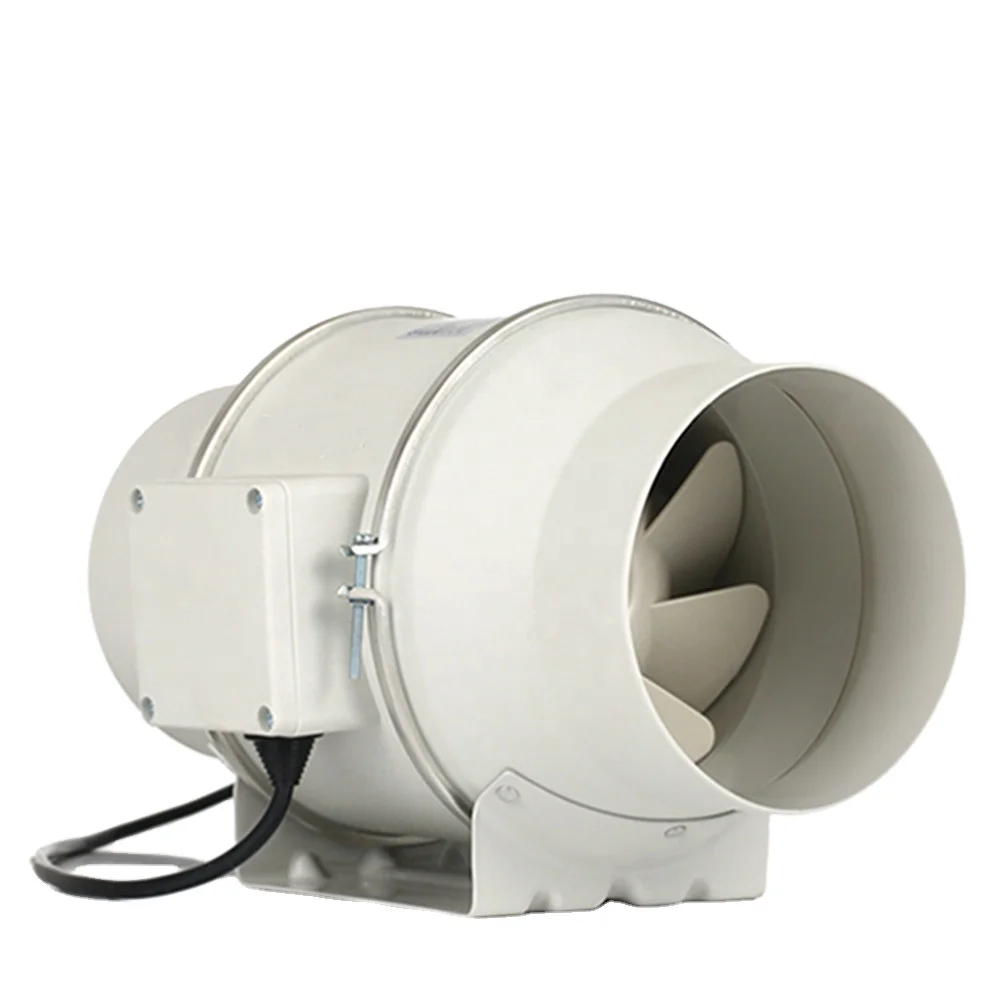
Balanced airflow and pressure for installations with demanding space constraints.
Discuss mixed flow fans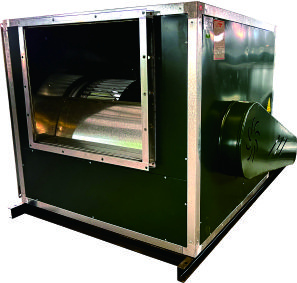
Review housing, motor, material, mounting and other configuration details when a standard model does not fit the project.
Discuss a custom fanSystem first
Ducts, filters, fittings, mounting and service access all affect the final operating point.
Project conditions
Free air volume alone does not describe how a fan will perform in a finished system. Include the resistance and installation conditions you already know.
Performance at a glance
Use these indicative ranges to identify a starting point. Confirm the selected model against its performance curve and your system conditions.
| Fan family | Airflow range | Static pressure range | Review with |
|---|---|---|---|
| Axial fans | 382–3,827 CFM 650–6,500 m³/h | 0.28–1.25 in. wg 70–310 Pa | Duty point, size, motor, noise and mounting |
| Inline duct fans | 129–1,707 CFM 220–2,900 m³/h | 0.60–2.79 in. wg 150–693 Pa | Duct diameter, inlet configuration and voltage |
| Centrifugal fans | 504–4,671 CFM 857–7,939 m³/h | 1.21–13.50 in. wg 302–3,359 Pa | Model curve, speed, motor and system resistance |
| Mixed flow fans | Project specific | Model specific | Curve, duct geometry and installation space |
| Customized fans | Project specific | Project specific | Drawing or sample, duty point and materials |
Ranges are indicative and model-dependent. Final performance must be confirmed from the selected model’s curve before approval.
Applications
Different environments bring different airflow, pressure, temperature, access and documentation needs.
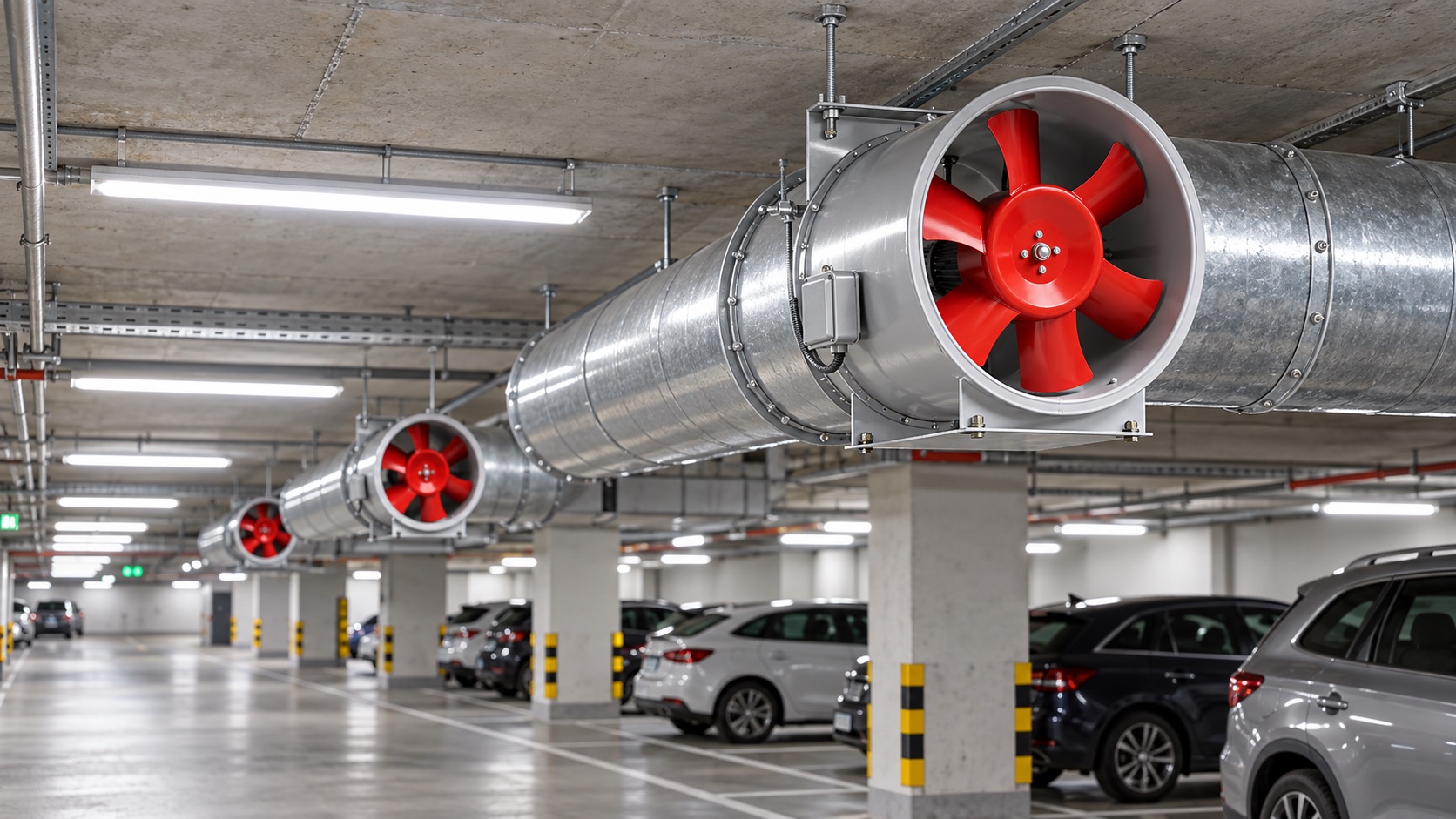
Review system resistance, operating modes, temperature duty, controls and maintenance access.

Check room pressure relationships, filter resistance, leakage, cleanability and validation needs.

Consider outdoor air, noise, duct connections, service access and retrofit shutdown windows.
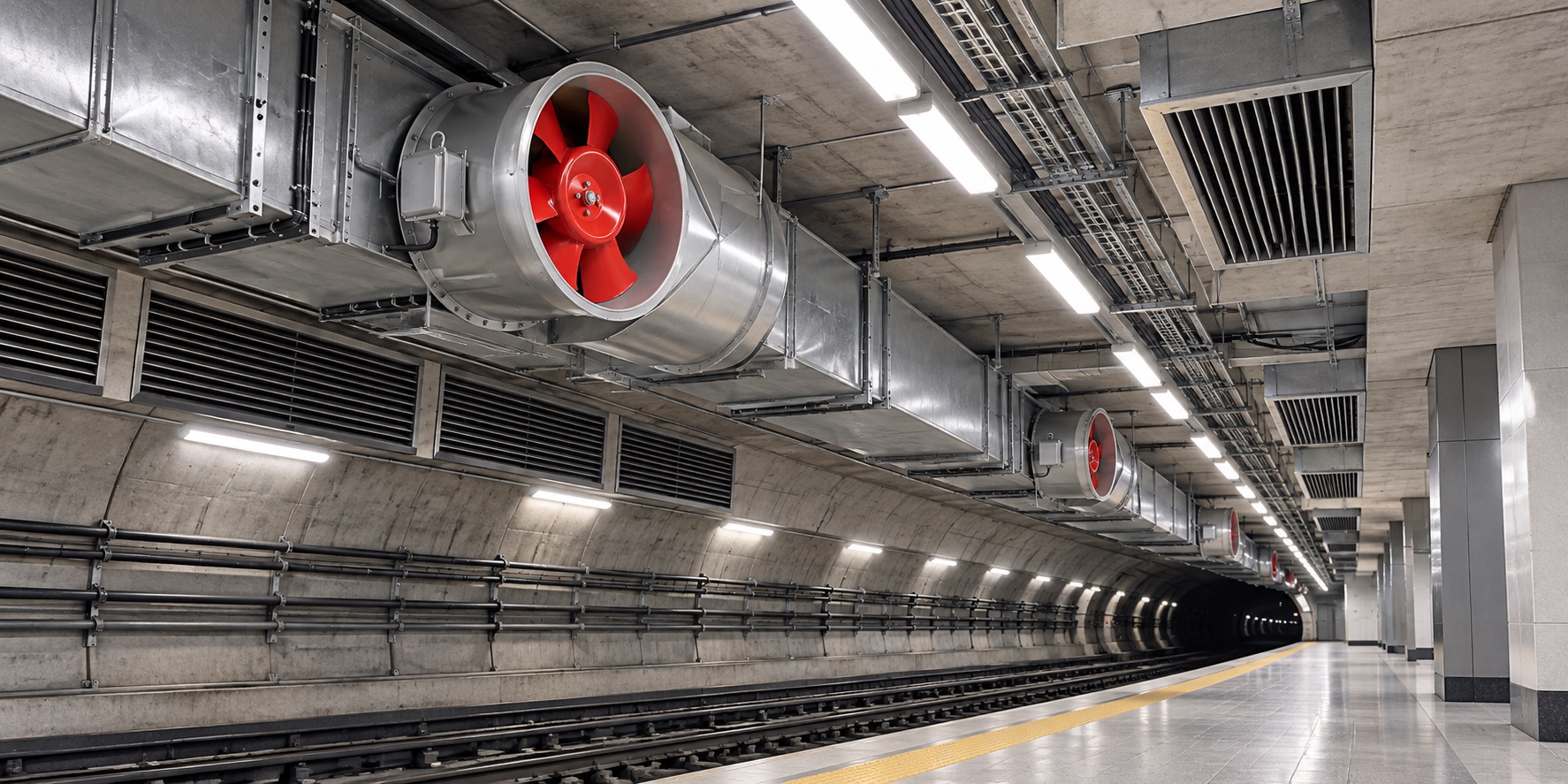
Confirm emergency duty, temperature rating, redundancy, controls and required project documents.
From requirement to quotation
Send the information you already have. A drawing or replacement model can help, but you can start with the duty and application.
Start a project inquiryProvide airflow, static pressure, application, quantity and delivery location where available.
Compare fan family, model curve, motor, installation space and project conditions.
Review the selected configuration, drawings, performance information and delivery requirements.
Common questions
Need a project-specific answer? Send the conditions you have and ask us to review them.
Ask about your projectShare airflow, static pressure, application, fan size, voltage, quantity, operating temperature and delivery location where available. A drawing or existing model reference also helps. You can start with partial information.
Axial fans are often considered for higher airflow with lower system resistance. Centrifugal fans are often considered when the system needs higher pressure. Confirm the operating point against the selected model’s curve and installation conditions.
No. The ranges are indicative and model-dependent. Final performance should be confirmed against the selected fan’s performance curve before approval.
Selected projects may support changes to the housing, motor, materials, mounting and other configuration details after engineering review.
Drawings, dimensions, performance data and installation information should be confirmed for the selected model before procurement.
Yes. Share the project application and whatever conditions you have. The team can identify which additional details are needed for a fan review.