Need Specifications or a Quote?
Share your ventilation project requirements and our engineers will reply within 12 hours with technical specs, pricing, and lead time.
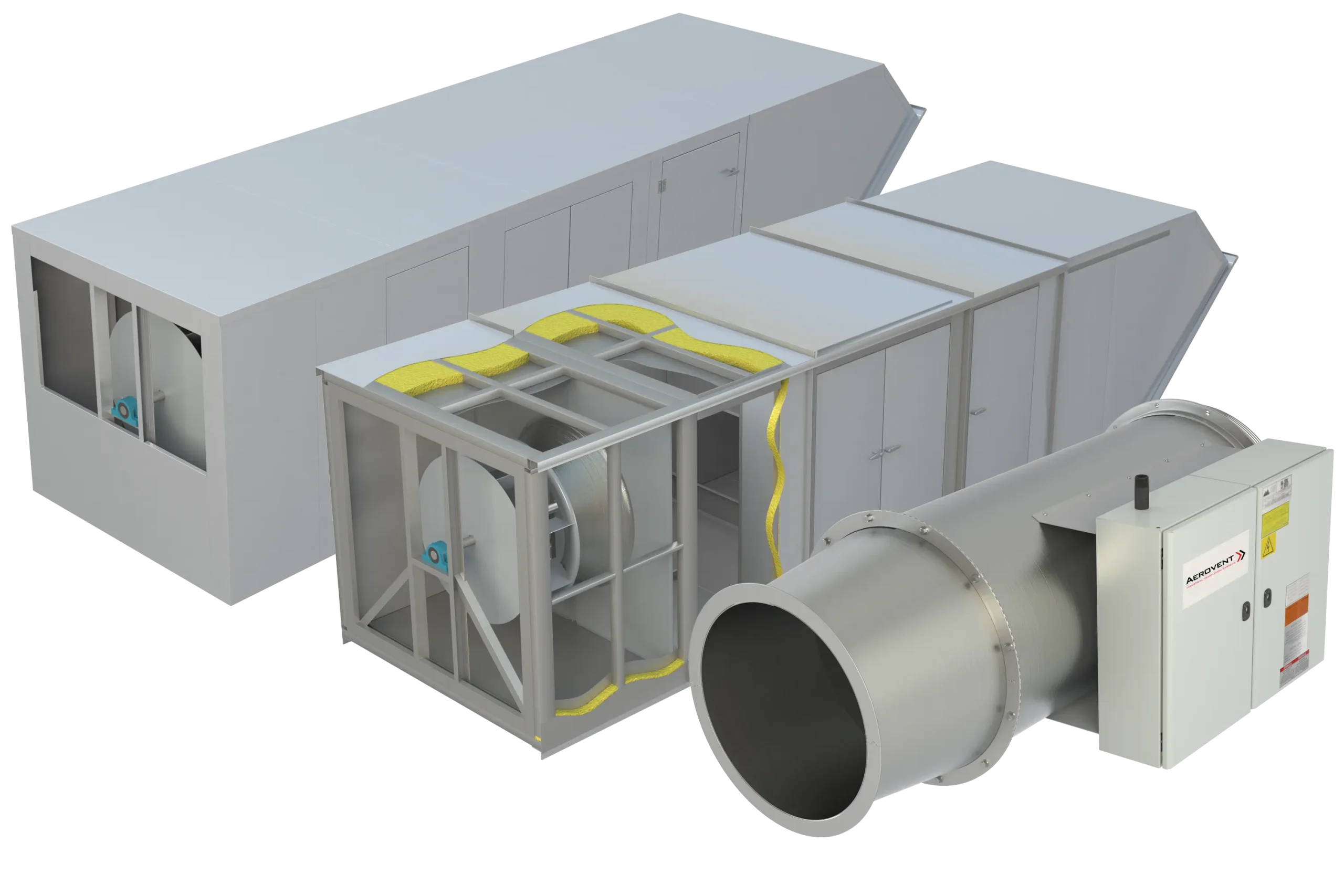


Air control / project supply
Explore HVAC air damper types, compare their functions, and prepare the key project details for a suitable selection.
01 / What is an air damper?
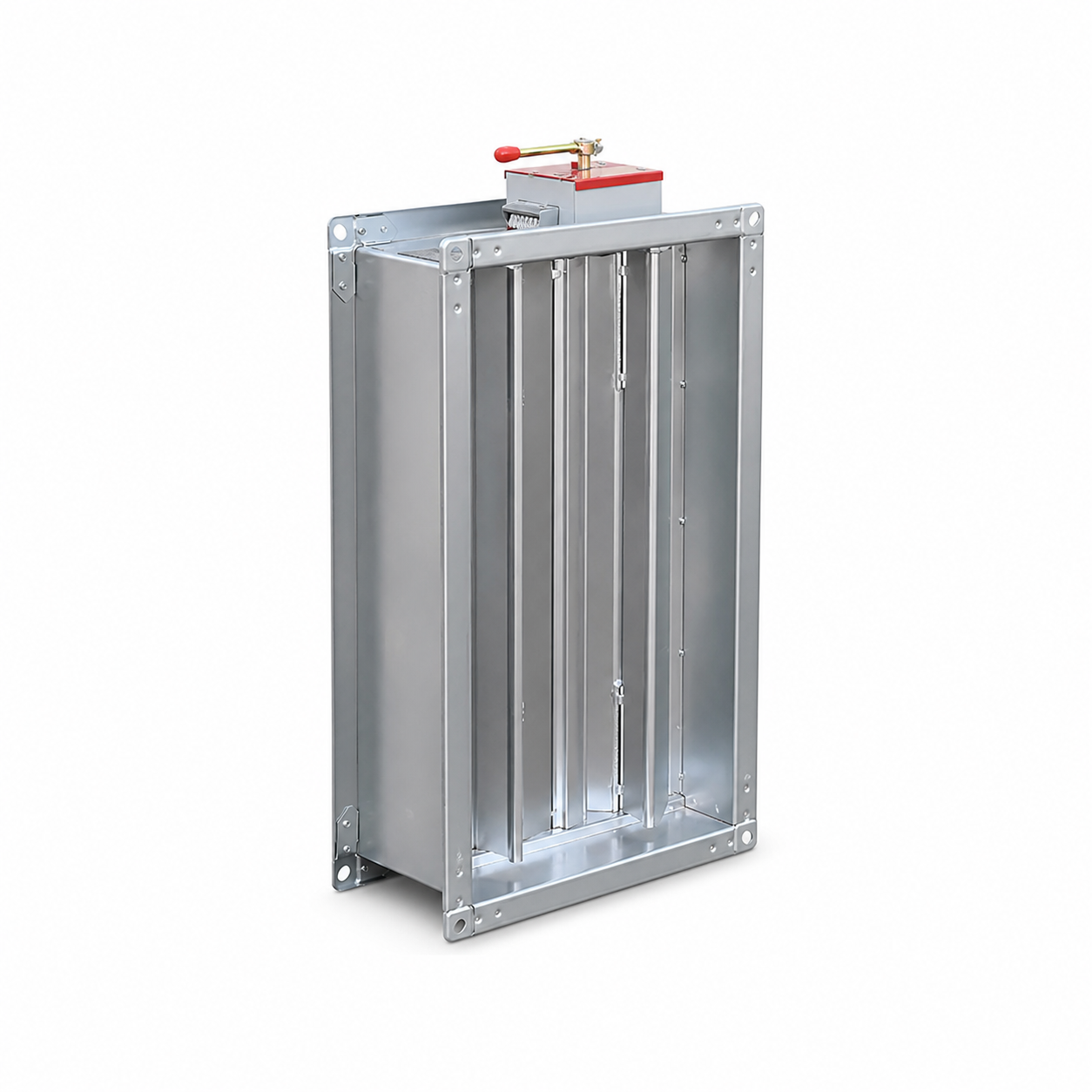
An HVAC air damper uses one or more blades in a frame to regulate airflow through ductwork or an air opening. Depending on its function, it may be adjusted manually, moved by an actuator, or respond to a pressure difference.
Start selection with the required duty. Volume control, opposed blade, motorized, backdraft, and fire or smoke dampers serve different purposes and are not interchangeable.
Project note: Confirm the intended function, control sequence and applicable local requirements with the project engineer before specifying.
Product range
Start with the required function—airflow adjustment, powered control, reverse-flow prevention, or a specified fire or smoke duty. Confirm construction, ratings, materials, and available options in the selected model’s current submittal.
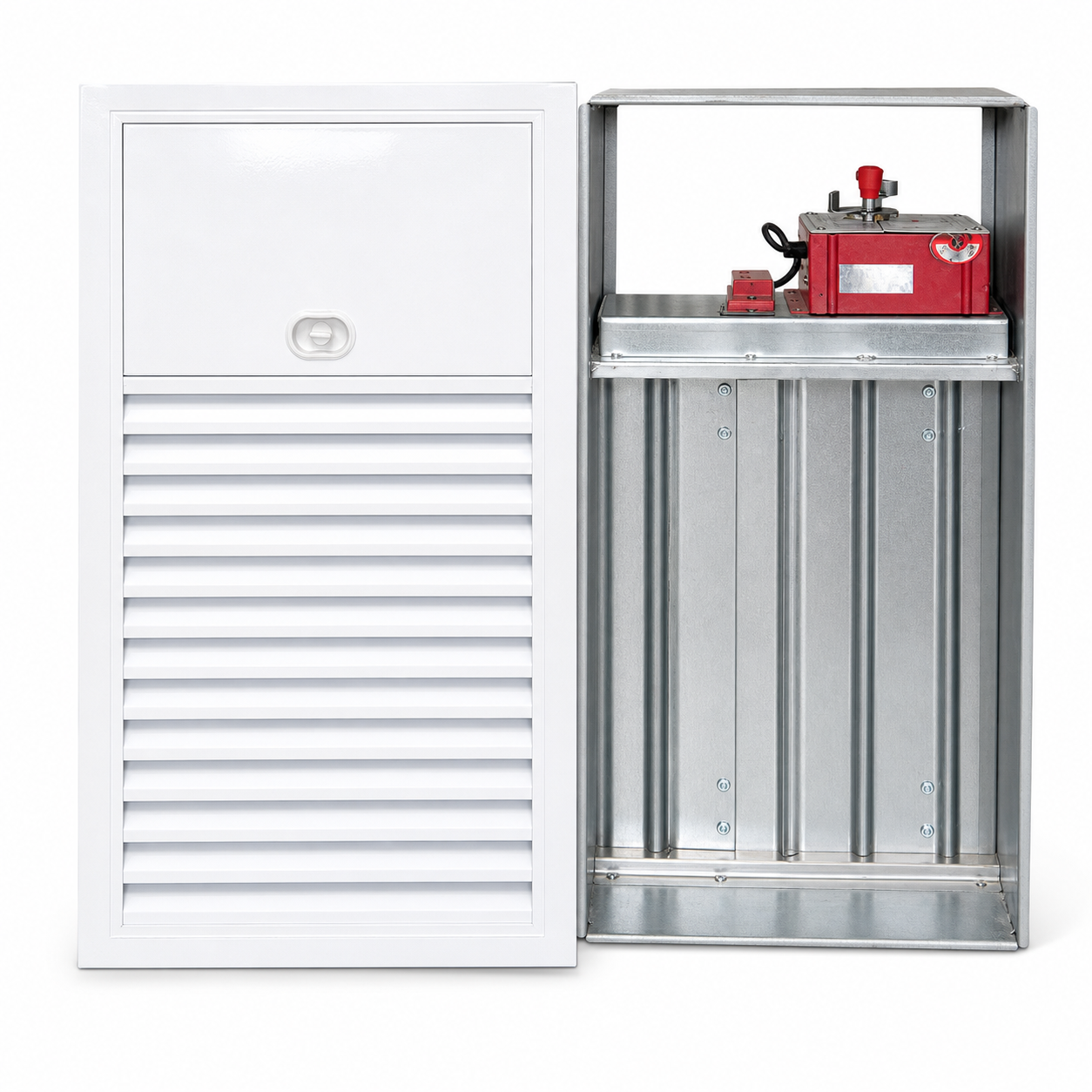
Used to adjust or balance airflow in a duct branch or HVAC system. Confirm blade arrangement, adjustment access, and how the damper will be set during balancing.
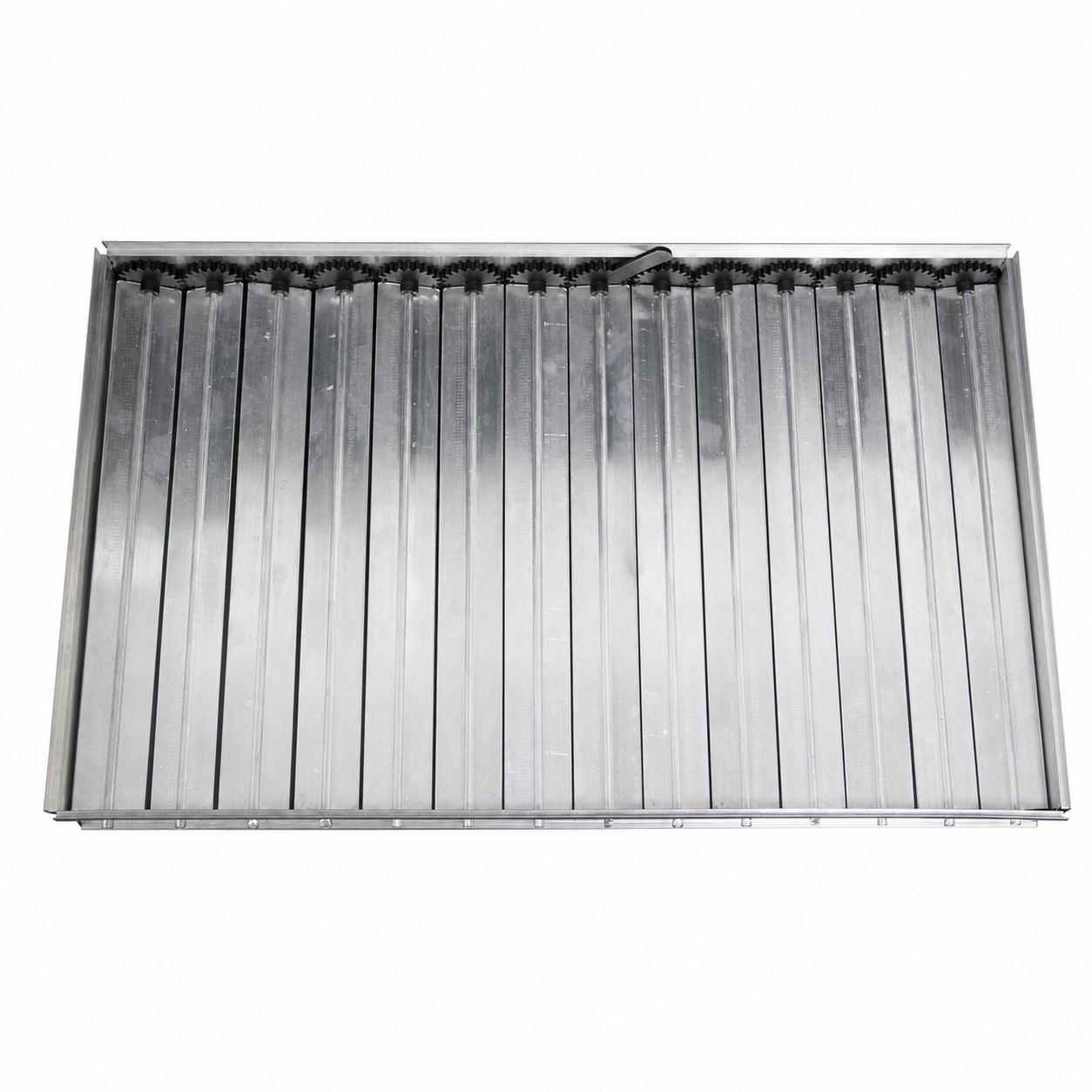
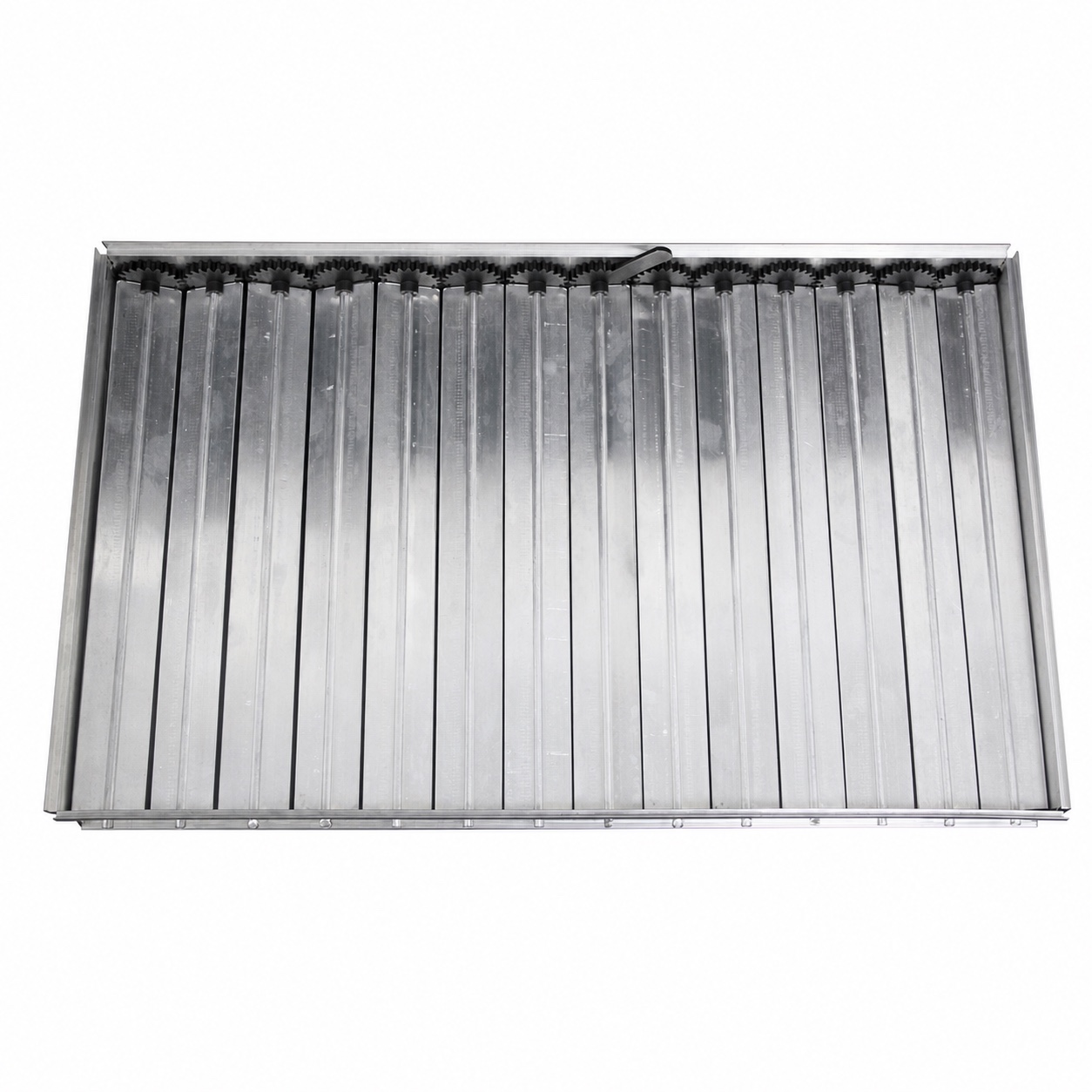
Opposed blade movement changes the opening across the damper face. Confirm the airflow characteristic, control method, and operating range against the selected model.

An actuator moves the blades in response to a control signal or sequence. Confirm voltage, input signal, torque, fail position, wiring, and mounting compatibility for the selected model.
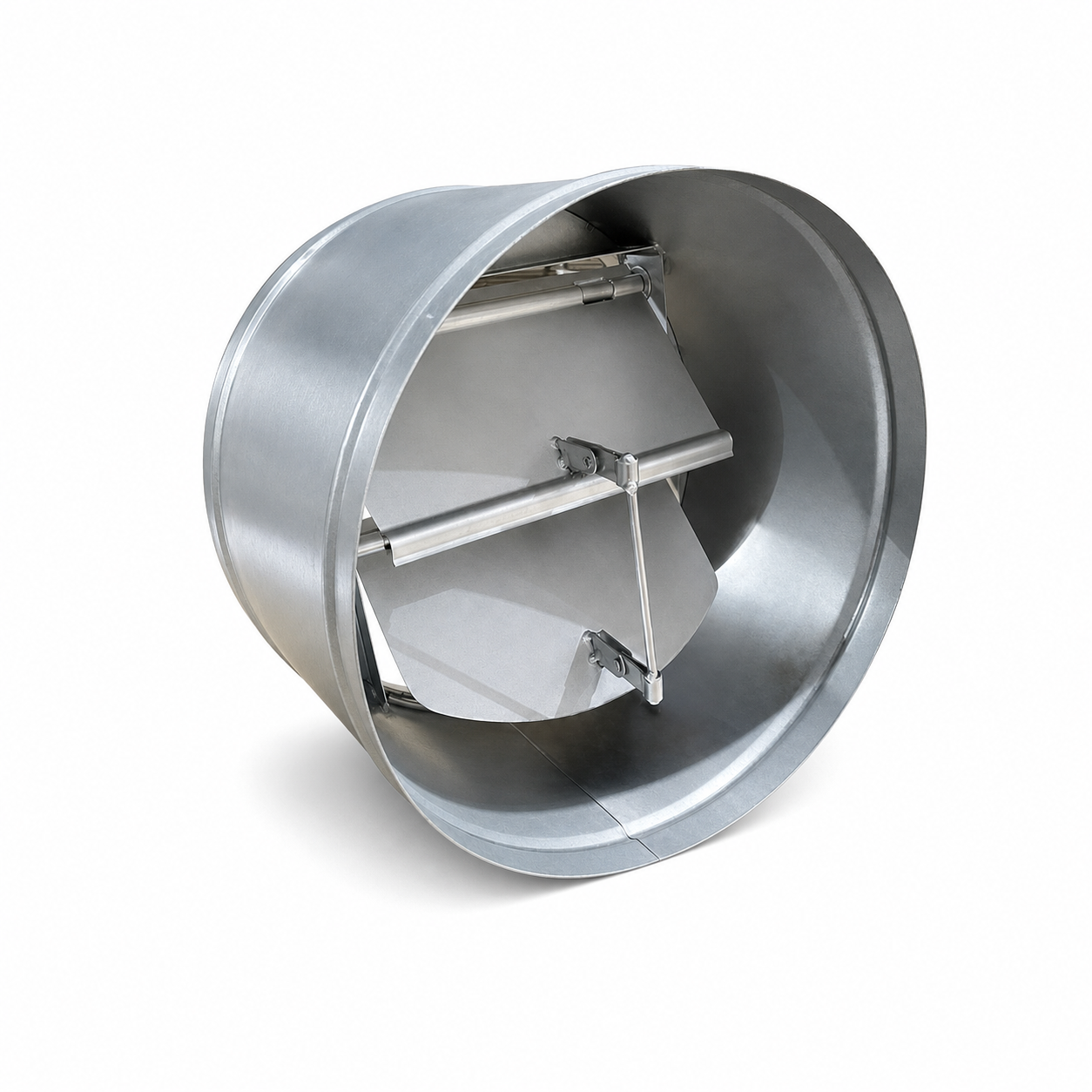
Airflow or a pressure difference opens the damper in its intended direction; the blades then limit reverse flow. Verify the model’s opening pressure, airflow direction, and mounting orientation.
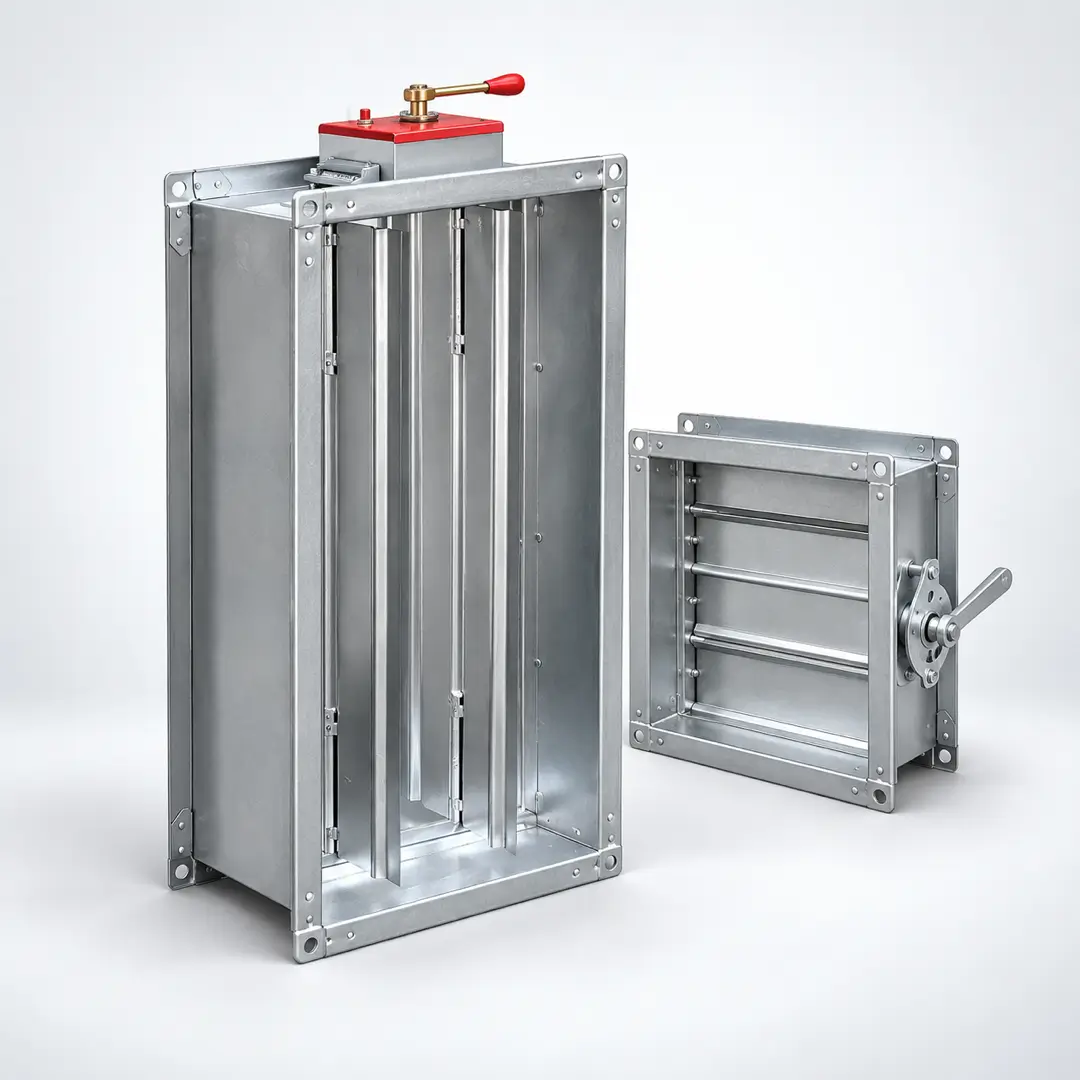
Specified for designated fire or smoke control duties. Select only against the project design, approved details and locally applicable code requirements.
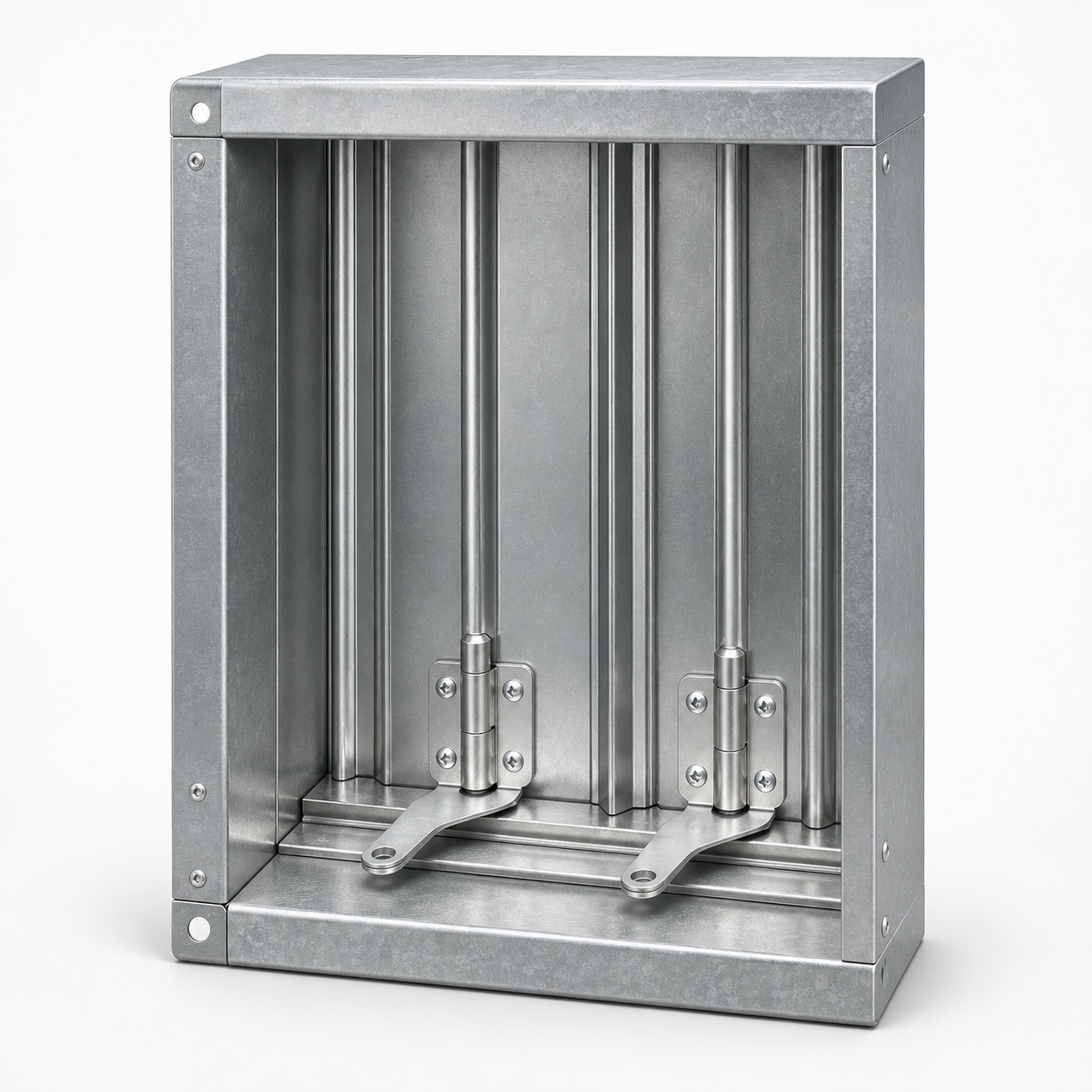
Frame, blade, linkage, seals, actuator and access requirements can vary by duty. Review the drawing and schedule together before release.
02 / How does it work?
An operator, actuator, pressure difference, or specified safety sequence moves the blades, depending on damper type. Blade angle changes the free area and resistance to airflow. Actual airflow depends on system pressure and the selected model’s characteristics.
A person, actuator, pressure difference or safety sequence initiates movement, depending on damper type.
Individual or linked blades rotate within the frame to open, modulate or close the air path.
Check direction, travel, access and operation during balancing, controls testing or the required inspection process.
03 / How to understand the parameters
Compare dimensions and ratings against the design condition, intended function, and test basis. Before approving a scheduled item, request the selected model’s current drawing and technical submittal.
| Parameter | What it describes | What to verify |
|---|---|---|
| Nominal size | Damper frame or duct connection dimensions. | Width × height, connection style, actual opening and orientation. |
| Airflow / velocity | Design duty and air speed through the damper. | Required operating point and model-specific allowable range. |
| Pressure drop | Resistance introduced at a stated blade position and airflow. | Test conditions and data at the project design point. |
| Leakage / shut-off | Air passage when the damper is in a specified closed position. | Applicable class, test standard and documented rating, if required. |
| Actuator | Drive type and electrical or control interface. | Voltage, signal, torque, travel, fail position and wiring scheme. |
| Temperature / duty | Intended environment and service conditions. | Specified temperature range, materials and application limits. |
| Fire / smoke rating | Life-safety performance under an identified test and approval scope. | Required standard, rating, installation detail and valid certificates for the destination market. |
| Material / finish | Frame, blades, seals and surface protection. | Corrosion exposure, indoor/outdoor location and project finish. |
04 / Typical applications
These examples help organize early coordination. Confirm the final damper type against project drawings, control sequences, and applicable requirements.
Adjust distribution during testing and balancing where the system design calls for it.
Use a compatible actuator where the HVAC controls sequence requires powered operation.
Consider backdraft control to limit reverse flow when equipment is off, subject to system design.
Coordinate specified dampers with the fire strategy, approved details and inspection access.
05 / How to select and install
Before ordering, align the damper duty, duct opening, airflow and pressure conditions, control requirements, installation orientation, and service access with the project documents.
Installation coordination
For fire or smoke applications, follow the approved product listing and installation instructions for the exact assembly. Confirm access doors, sleeves, clearances, orientation and inspection requirements with the responsible project team.
06 / Common questions
For a model-level review, share the equipment schedule or duct drawings.
A volume control damper is adjusted to regulate or balance airflow. A backdraft damper responds to airflow direction or pressure to reduce reverse flow. Their functions and selection criteria differ.
Only if the frame, shaft, linkage and actuator arrangement are compatible. Confirm torque, travel, mounting, electrical interface and control sequence for the exact model.
Start with the actual duct opening and design airflow. Check velocity, pressure drop, available installation space, connection details and access against model-specific data.
Availability and valid approvals depend on the specific product, configuration, destination market and project requirement. Request current documents and verify they match the specified assembly and installation condition.
Send damper type or duty, size, quantity, airflow and pressure conditions, material, controls requirements, drawings or BOQ, destination and target delivery timing.
Suitability depends on material, finish, seals, actuator protection and exposure. Describe the environment so the available configuration can be reviewed before specification.
07 / Project inquiry
Share the damper type, sizes, quantities, operating conditions, and project destination with the inquiry. Attach the equipment schedule or duct drawings when available; mark unknown details for review.
The project team can confirm product family, configuration, model data, and quotation scope during review.
Build your inquiry brief
Complete what you know; unknown details can be marked for review.